Walk into any outdoor shop and the daypack wall looks like a volume puzzle. Fifteen liters feels sleek. Twenty liters looks “safe.” Thirty liters whispers that you might become a weekend traveler by accident. Most hikers do not need three packs. They need one honest answer for the kind of day they actually hike, plus a clear sense of when bumping up a size is worth the extra fabric on their shoulders.
This guide is for same-day trails: morning start, evening return, no tent, no stove ritual, no sleeping bag. We will talk about what each liter band really holds, how water and layers steal volume faster than snacks, and how to test a pack at home before you trust it on a ridge. Use it as a buying filter, not a shopping spree.
What “liters” actually mean on the trail
Liter ratings are approximate internal volume. Brands measure differently. A slim 20L with a laptop sleeve and stiff back panel can feel tighter than a soft 18L with a wide opening. Treat the number as a lane, not a promise. Fit, opening style, and how you pack matter as much as the stamp on the hangtag.
For day hiking, the useful question is not “How many liters can I brag about?” It is “What must I carry, and can I reach it without emptying the whole bag on muddy ground?” A good daypack keeps water, rain shell, snack, and first-aid within calm reach. Extra straps and daisy chains do not replace that.
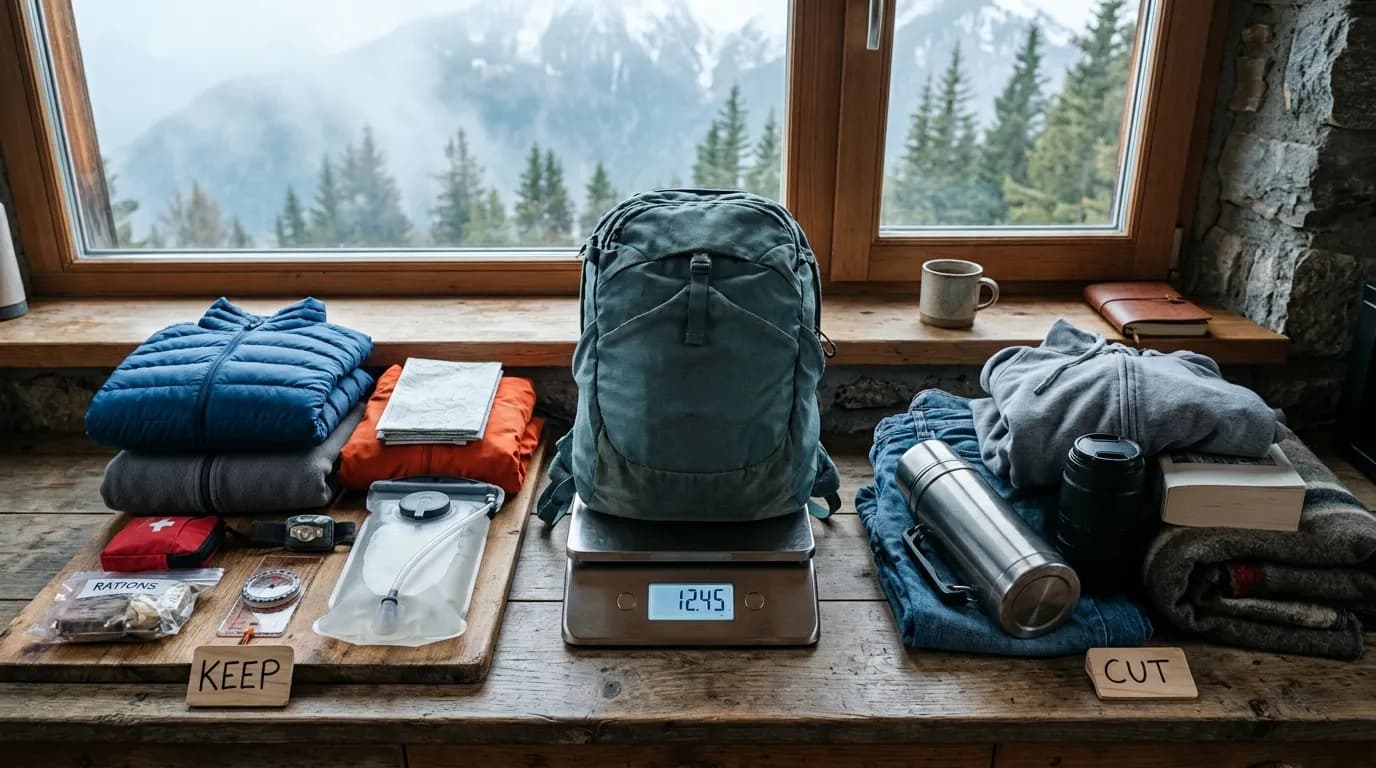
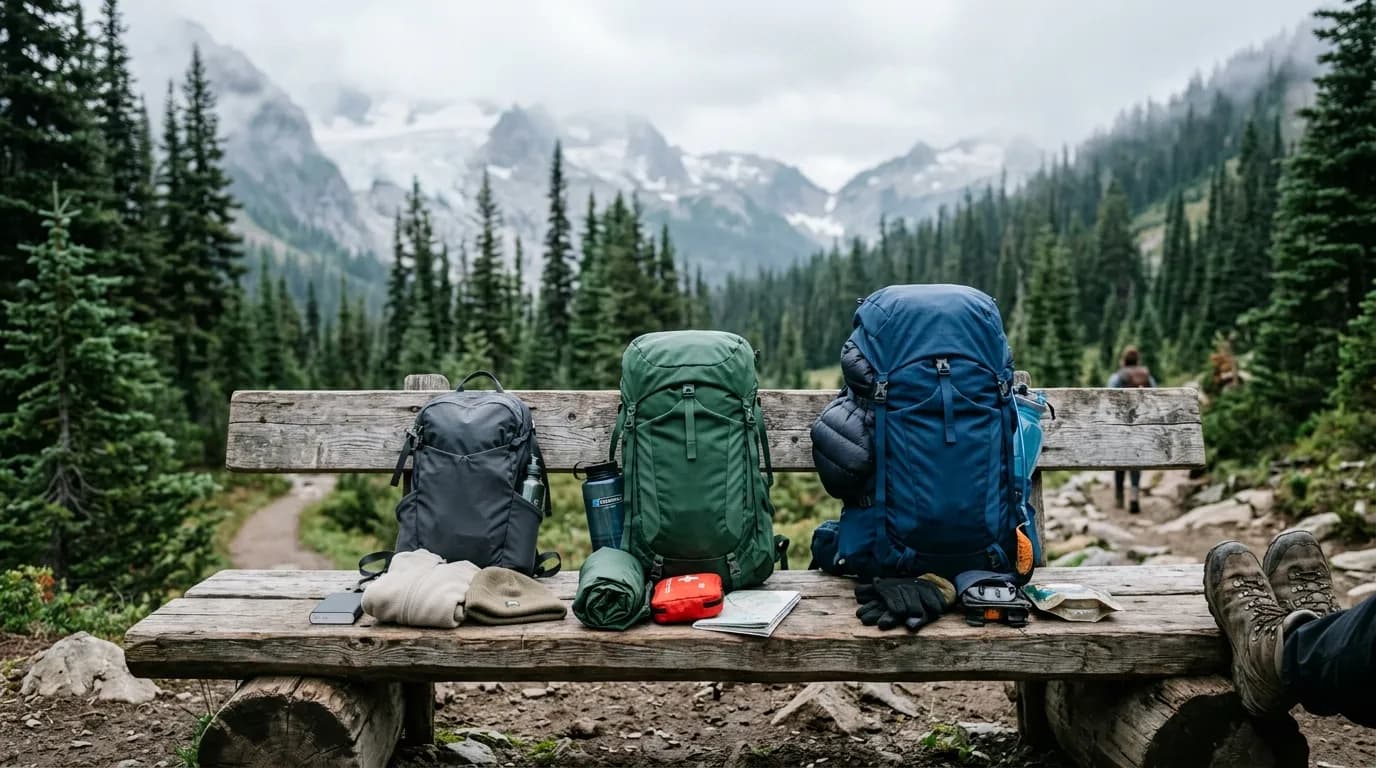
If you already keep a simple kit from our day hike packing list for beginners, you can reverse-engineer size from that list. Lay everything on a table, include the water you actually drink, then see which pack swallows it without wrestling. That ten-minute floor test beats reading another feature chart.
The 15L daypack: fast and light, not empty-handed
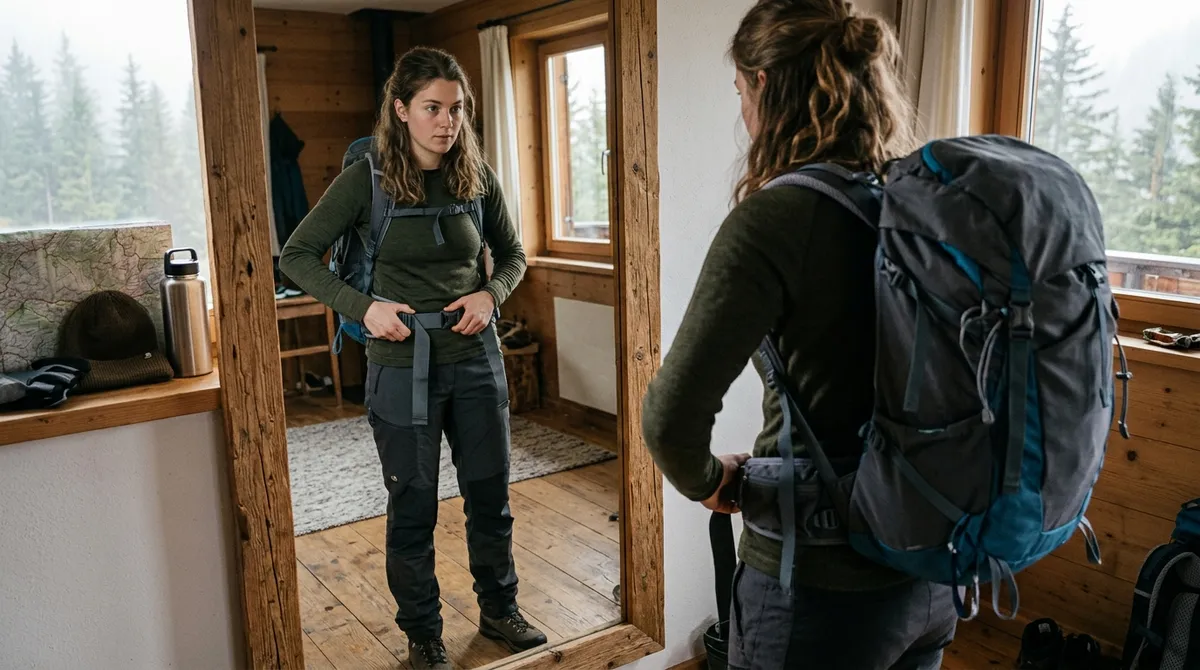
A 15L pack shines on short loops, urban-adjacent trails, warm-weather half days, and routes where you already know the parking lot and the bailout options. Think two to four hours, modest elevation, and a weather window that is mostly cooperative. You can fit a softshell or light rain shell, a thin insulating layer, lunch, a small first-aid pouch, phone, map, and roughly one to one-and-a-half liters of water if you use bottles cleverly or a slim bladder.
Where 15L struggles is redundancy. Cold mornings that turn hot, then cold again, ask for more fabric. Shoulder season wind, an unexpected shower, and a friend’s spare glove set will push seams. If you routinely add a camera, a second liter of water, or kids’ extras, fifteen liters becomes a game of tetris you will resent by mile three.
Choose 15L if your default hike is local, you dress in layers you wear rather than carry, and you are disciplined about leaving “just in case” clutter at home. Skip it as your only pack if you hike above treeline often, start before sunrise, or live where afternoon storms are a personality trait of the sky.
15L packing reality check
- Best with a trim water strategy: one bottle in a side pocket plus a soft flask, or a thin bladder.
- Prefer a top-lid or wide zip that opens fully; narrow sausage packs punish mid-hike snack grabs.
- Look for a sternum strap and light hip belt even at this size; bounce is still bounce.
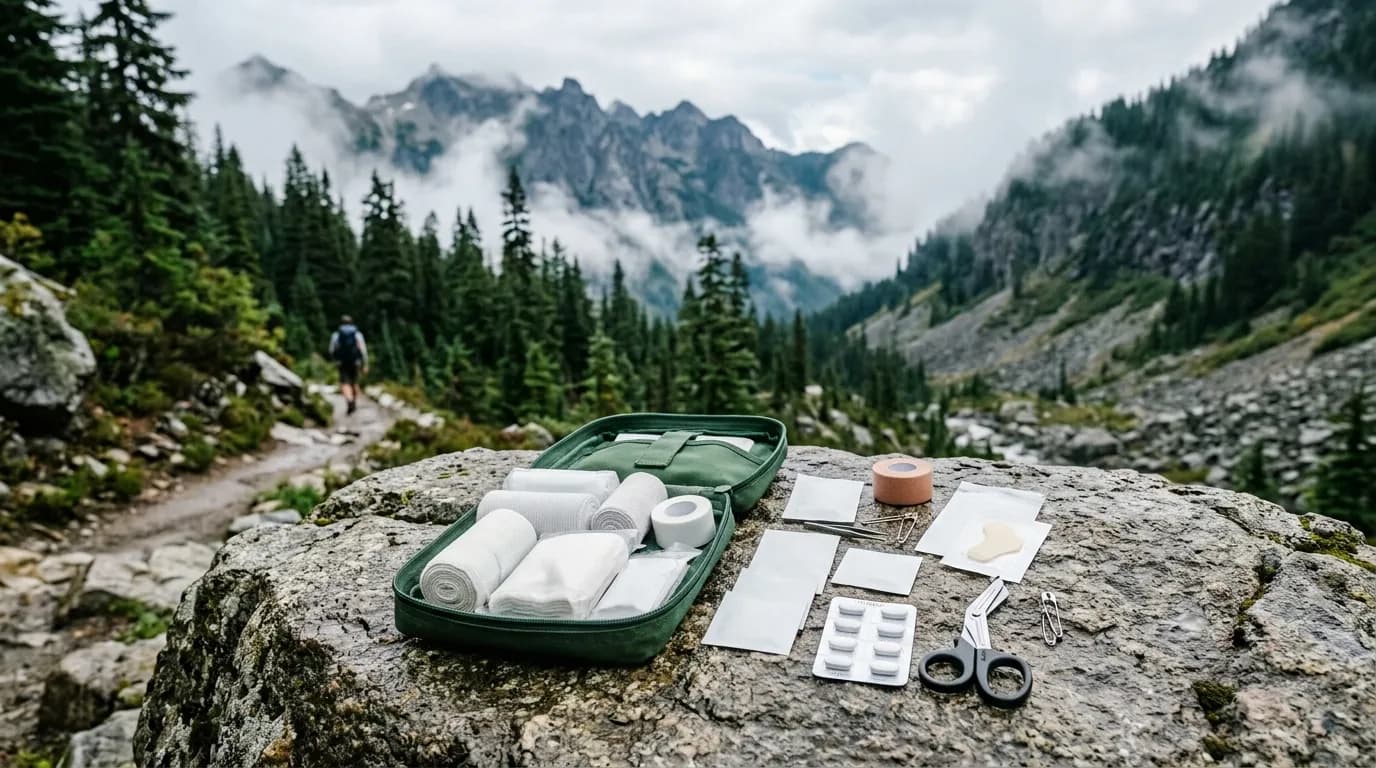
- Keep the first-aid and rain shell near the top, not buried under a crumpled fleece.
The 20L daypack: the everyday sweet spot
Twenty liters is the default answer for most day hikers for a reason. It absorbs a full day of food, two liters of water without drama, a proper rain shell, an insulating midlayer, sun protection, and a small emergency kit. You still look like a day hiker, not a thru-hiker who forgot the itinerary.
On rolling forest trails and moderate peaks, 20L keeps your posture honest. You can pack denser items low and close to the back, soft layers above, and keep a rain cover or shell in a lid pocket. If you sometimes hike with a partner who underpacks, the extra few liters become community insurance without turning you into a mule.
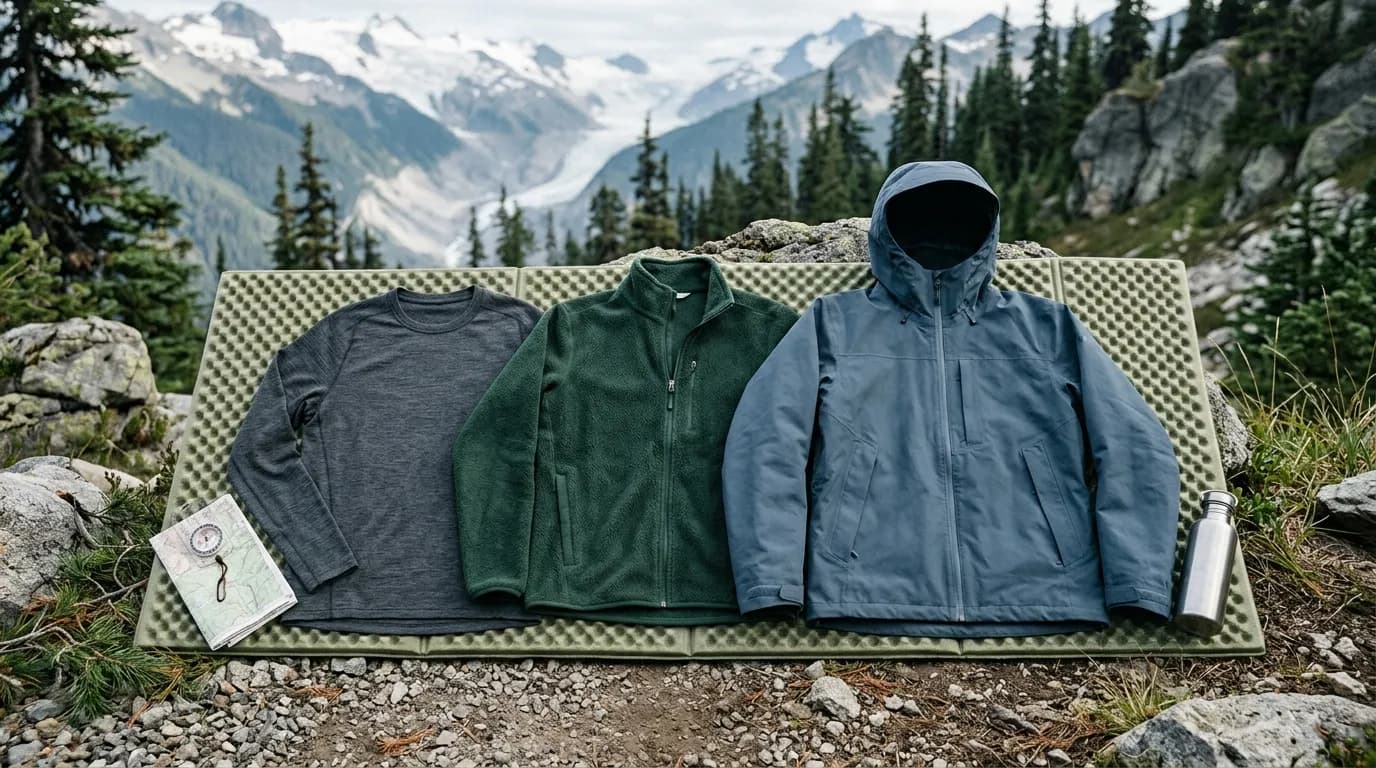
Twenty liters is also forgiving when seasons flip. Spring mud asks for gaiters or spare socks. Autumn wind asks for a beanie and gloves. Summer heat asks for more water and electrolytes. A 20L pack can take those swings if you edit ruthlessly. Pair it with a habit of weighing the bag once in a while; our packing weight audit for day hikes is the companion habit that keeps “capable” from becoming “stuffed.”
When 20L still feels small
If you carry a camera harness, binoculars, a full winter puffy, microspikes, or a toddler’s emergency wardrobe, twenty liters will complain. Same if you prefer hard-sided bottles and refuse a bladder. Volume is not only about objects; it is about object shapes. Rectangular boxes and thick bottles waste corners that soft goods would have filled.
Also watch torso length. A “20L” framed for a short torso can sit differently than a tall-hiker model. Try the pack loaded, not empty. Walk stairs in the store if you can. Empty packs flatter everyone.
The 30L daypack: capacity with a purpose
Thirty liters is not “more better.” It is a tool for specific days: long mileage, cold start and colder finish, alpine approaches where weather flips, scramble approaches where you want helmet and approach shoes stashed, or shoulder-season trips where you carry traction and an extra insulating layer. It is also useful if you hike with kids and end up carrying shared snacks, spare layers, and the inevitable abandoned jacket.
The risk with 30L is psychological. Empty space invites filling. Hikers who buy thirty liters “for flexibility” often leave trailheads with eight pounds of optional comfort. That is fine if you chose it consciously. It is not fine if your knees notice before your brain does.
Use a 30L pack when the route or forecast truly needs the kit. Compress unused volume with side straps so the load stays compact. If you find yourself cinching a half-empty 30L on every summer stroll, you own the wrong daily driver. Keep the thirty for the days that earn it, or choose a pack with removable lids and strong compression so one pack can behave like two sizes.
Features that matter more at 30L
- A real hip belt that transfers weight; shoulder straps alone will nag on descents.
- A ventilated back panel if you hike humid summers; trapped sweat is not free cardio.
- External tool loops or ice-axe loops only if you use them; unused hardware rattles and snags.
- A rain cover or highly water-resistant fabric; bigger packs are bigger sponges in a downpour.
How to choose by hike type, not by aspiration
Match volume to your median hike, not your dream hike. If eighty percent of your outings are local ridge loops under six miles, buy for that and rent or borrow for the rare alpine day. Aspiration packing is how closets fill with barely used gear.
Short scenic walks and lunchtime trails: 15L. Classic full-day loops with weather insurance: 20L. Big vertical, cold seasons, family shared loads, or “leave early, return late” days: 30L. If you split time evenly between short and long, prefer 20L with smart packing over owning three packs that compete for the same hook.
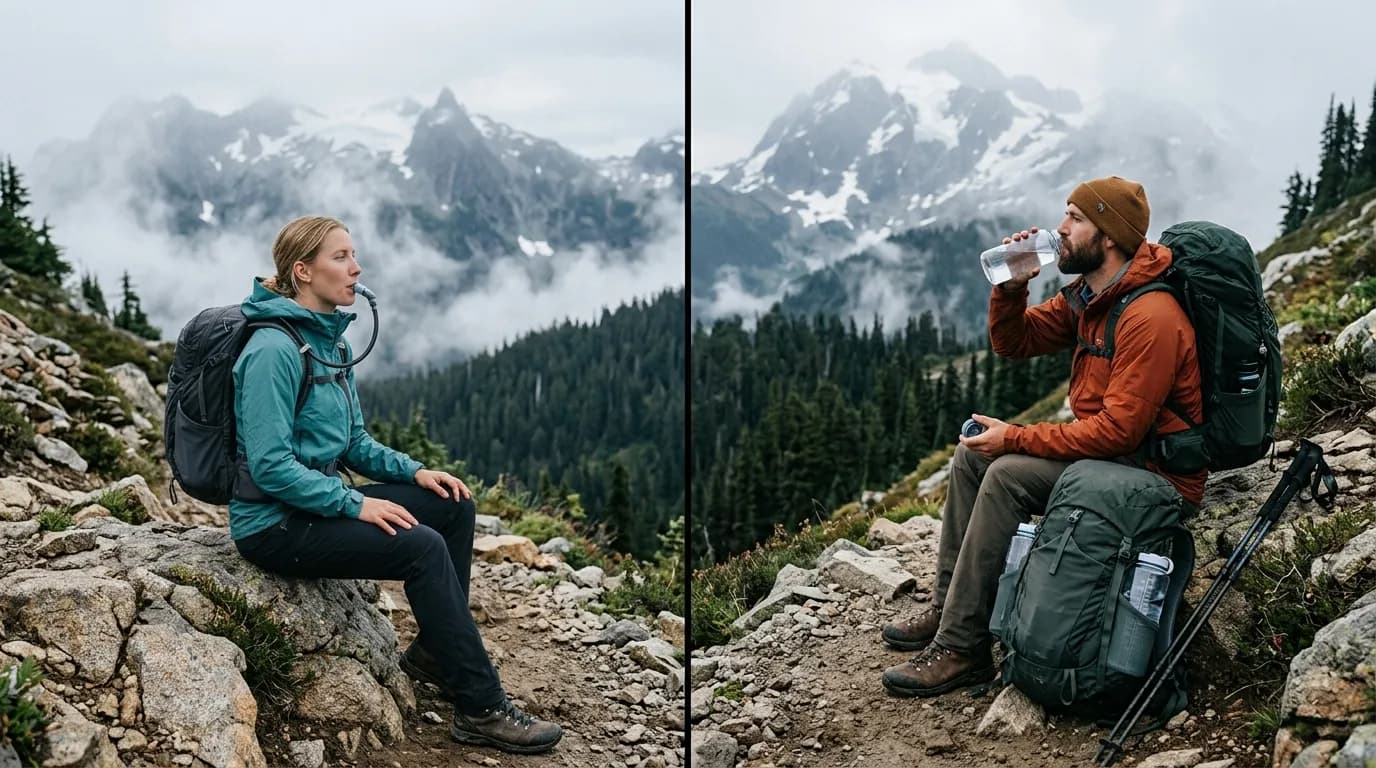
Also factor your water system. Bottles need side pockets that actually hold them while you move. Bladders need a sleeve and a hose route that does not fight the zipper. A pack that “fits two liters” in marketing copy may only do so if you accept awkward bottle angles. Test with the bottles you already own.
Fit checklist before you commit
Volume means nothing if the pack rides on your lumbar like a restless backpacker. Check torso length against the brand’s range. Adjust shoulder straps so the hip belt sits on your iliac crest, not your soft waist. The sternum strap should calm bounce without crushing your breath. Women-specific and unisex fits differ; try both if you can.
Load the pack with about eight to twelve pounds of realistic weight: water bottles, a jacket, a book as stand-in for food density. Walk. Climb a few stairs. Reach for a water bottle. Dig for a snack. If you cannot do those things smoothly in the aisle, you will not magically become smoother at mile seven.
Pay attention to hot spots on the trapezius and lower back. A little pressure is normal; sharp digging is not. Mesh that feels plush in the store can still abrade under a damp shirt. Trust a twenty-minute wear test more than a five-second mirror glance.
Organization habits that make any size feel bigger
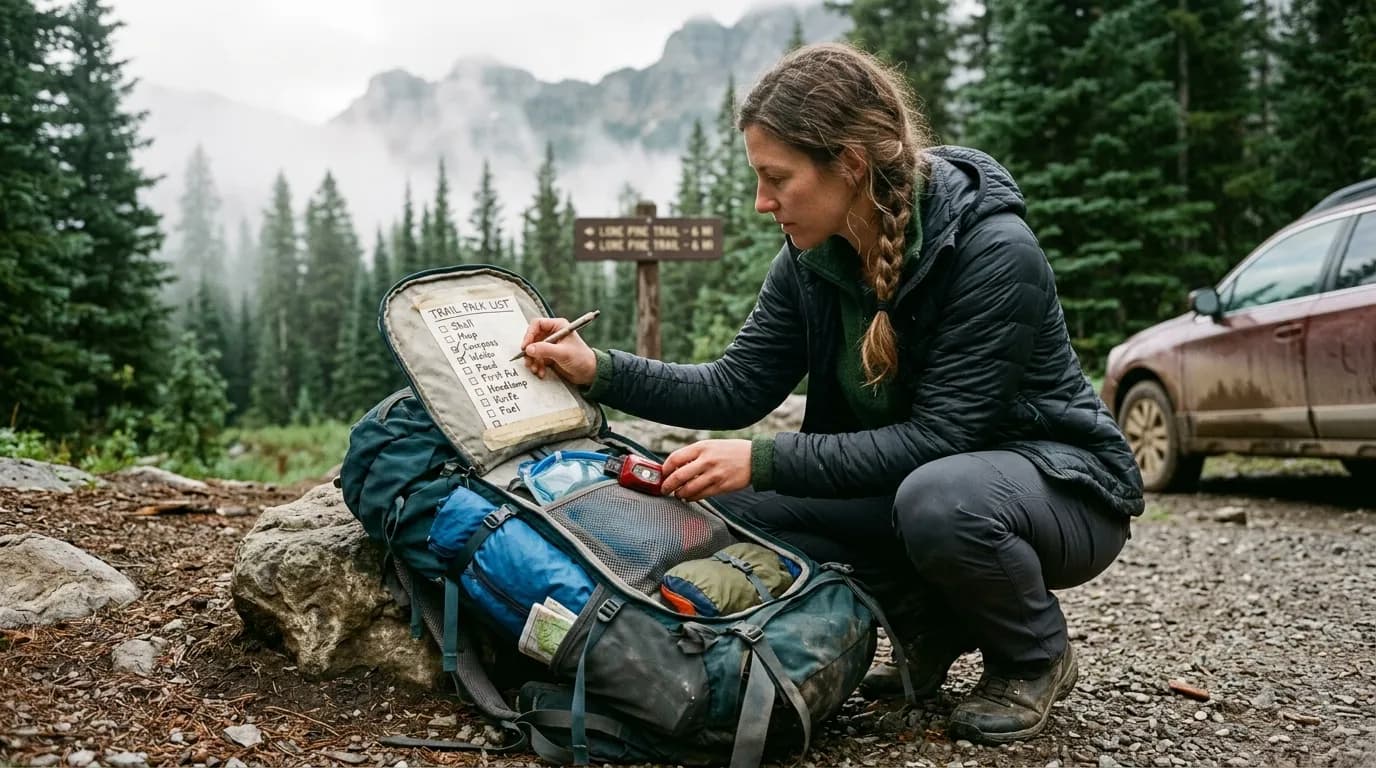
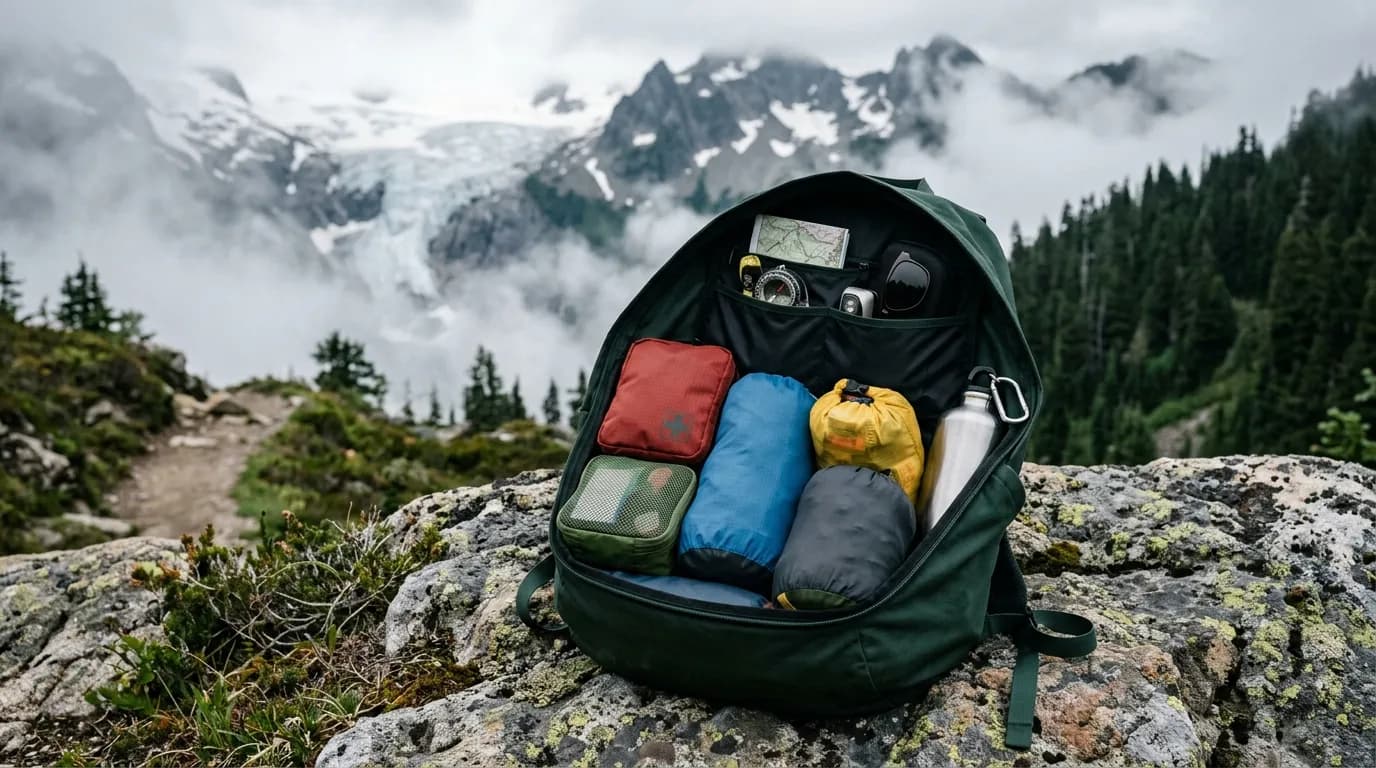
A tidy 20L outperforms a chaotic 30L. Use a small stuff sack for soft layers, a clear pouch for first aid, and a dedicated pocket for electronics. Keep snack food in an outer pocket so you do not open the main compartment every forty minutes and lose heat or rain protection.
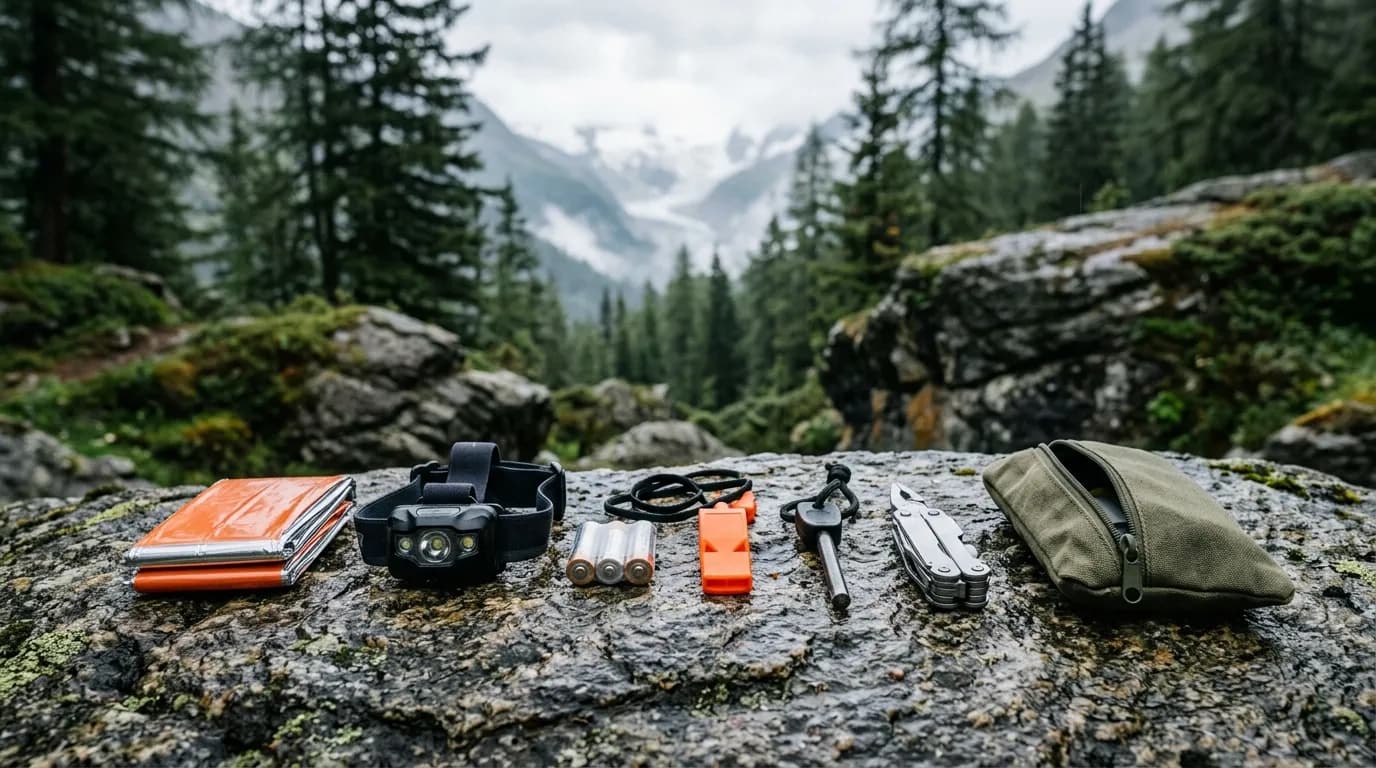
Pack heavy items close to your back and centered. Soft insulation can live higher. Rain shell either wears on you when skies turn or sits in an easy-grab pocket. Waste bags, repair tape, and a tiny multitool can live in a lid. The goal is fewer full unpacks on wet ground.
Once a month, empty the pack completely. Remove the mysterious granola dust, the expired gel, the trail map for a park you left last year. Resetting the pack is part of sizing discipline. Volume problems are often clutter problems wearing a shopping costume.
Weight, fabric, and the “ultralight” temptation
Lighter packs use thinner fabrics and minimal frames. That is excellent until you scrape through brush or sit the pack on granite every break. For day use, prioritize durable enough over lightest possible. A few extra ounces in fabric can save you from a blown seam mid-season.
Frameless packs feel great when loads stay under roughly ten pounds and terrain is friendly. Add winter layers and real water and many hikers prefer a light framesheet. You do not need a multi-day expedition suspension for a day hike, but you do need enough structure that the pack does not turn into a lumpy sack against your spine.
Color and visibility are underrated. A bright panel helps partners spot you on switchbacks. Dark packs look sleek and disappear in photos and, inconveniently, in brush when you set them down. Choose what you will actually see again at the lunch rock.
A simple decision framework
Ask four questions. One: How long is my usual hike, in hours, not wishful miles? Two: How dramatic is weather where I hike in the next six months? Three: Do I carry water for only myself or also extras? Four: Am I packing for one body or acting as the family’s gear mule?
If answers skew short, mild, solo, and self-contained, start at 15–20L. If answers skew long, volatile, shared, or cold, start at 20–30L. When stuck between two sizes, prefer the smaller pack plus better packing skill, unless your last three hikes were clearly volume-constrained. Skill scales; closet space does not.
Write your answer down after one month of hiking with the chosen size. If you repeatedly leave items behind that you needed, size up. If you repeatedly bring a half-empty cavern, size down or compress harder. The pack should serve the hike you take, not the hike you imagine for a future self who somehow has infinite weekends.
Starter plan: pick one pack in one weekend
Saturday morning, dump your current hike kit on the floor. Include water filled to your real volume. Add the rain shell and insulating layer you would take on a shoulder-season day. Photograph the pile. That photo is your truth.
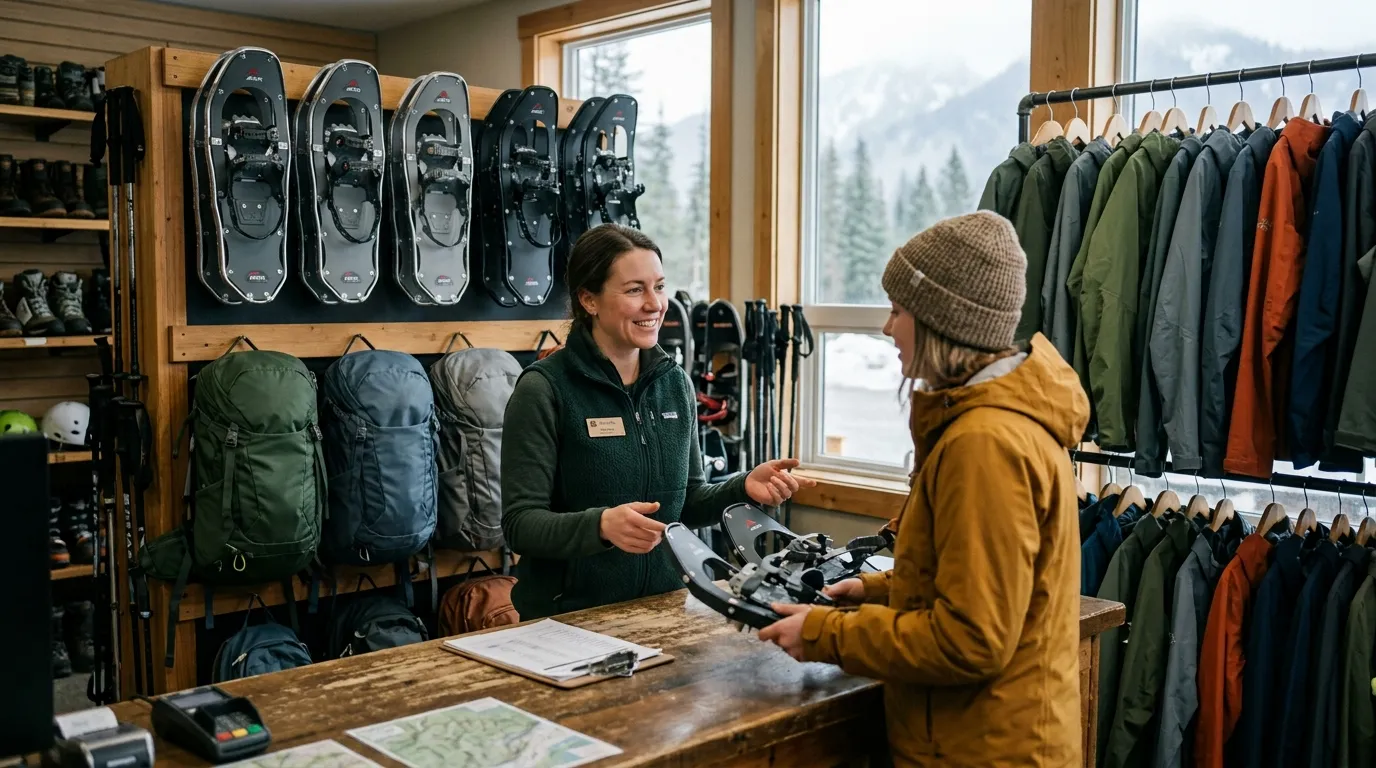
Saturday afternoon, try two pack sizes that bracket the pile. Pack both. Wear both around the block. Note which one lets you access water and shell without unpacking. Sunday, hike a familiar short trail with the leader. Monday, decide. Returning gear is easier than living with the wrong volume for a year.
If you already own a slightly large pack, try a compression experiment for two weeks before buying smaller. Many hikers “need” a new pack when they actually need fewer duplicate layers and a better snack strategy. Buying less is the quiet theme of outdoor gear light living.
Common mistakes
- Buying 30L for a someday trip and using it half-empty every weekend.
- Ignoring torso fit because the color matched a jacket.
- Counting on stretch mesh pockets to hold heavy bottles that bounce out on descents.
- Treating liter ratings as precise across brands.
- Packing “emergency” clutter that never leaves the bottom panel.
- Skipping a hip belt on longer days because the pack looked minimalist.
- Forgetting that kids’ gear and dog gear count as your volume.
FAQ
Is a 20L daypack enough for a full day in the mountains?
Often yes, if you pack a shell, insulating layer, food, first aid, and about two liters of water, and if the forecast is not a winter event. Above treeline in changeable weather, many hikers still stay in 20–25L with careful packing. If you add traction, a puffy, and extra water for a long alpine day, you may want closer to 30L.
Can I use a 15L pack in cold weather?
Yes for short outings when you wear most layers and carry only a light spare plus essentials. For all-day cold hikes with real insulation backup, 15L gets tight fast. Cold-weather volume is mostly soft goods and water that must not freeze against your back strategy.
Do I need a hydration bladder sleeve?
Helpful, not mandatory. Many hikers prefer bottles for cleaning and knowing remaining water at a glance. If you love hands-free sipping, a sleeve and hose port improve the experience. Either system can work in 15–30L packs if pockets and access match your habit.
Should beginners start with 30L “to grow into”?
Usually no. Beginners often overpack into available space. Start nearer 20L, learn what you truly use, then adjust. Growing into volume often means growing into weight you did not need to carry.
How do travel daypacks compare to hiking daypacks?
Travel packs may prioritize laptop sleeves and city aesthetics. Hiking daypacks prioritize bounce control, sweat management, bottle access, and weather. You can hike in a travel pack on easy trails; for regular dirt and elevation, a trail-oriented suspension is more comfortable.
Related reading
Build the kit that fills the pack with our day hike packing list for beginners, then keep the load honest with a packing weight audit for day hikes. Size is a container. Judgment is what you put inside it.
Educational trail guidance only. Conditions, fitness, and local regulations vary; adjust decisions to your route and experience.