A daypack becomes chaos quickly. Rain jacket buried under lunch, first-aid pouch wedged against a water bottle, spare socks somehow mating with trail mix. You stand at a cloud line with cold wind rising and spend four minutes excavating while your group waits. Organization is not vanity. It is minutes saved, frustration avoided, and dry gear staying dry when the sky opens.
Packing cubes and stuff sacks are simple tools that bring hotel-drawer logic to trail days. Used well, they add almost no meaningful weight while making your pack behave the same way every time you zip it. Used poorly, they become a nesting doll of empty nylon that eats volume without helping your hands find anything.
This guide explains how day hikers can use packing cubes and stuff sacks without turning a 20-liter pack into a luggage set. Pair the system with choosing the right daypack size and the repeatable habits in our gear checklist habit. Size, structure, and routine work together. Cubes alone cannot fix a pack that is already too small or too chaotic.
Why organization matters on short hikes
Day hikes feel casual until they are not. Weather shifts. A kid loses a mitten. You need tape for a hot spot before a blister forms. Each delay is small alone; together they steal daylight and mood. When every category lives in a predictable zone, you reach rain layers in one motion and snacks without dumping the main compartment.
Organization also protects gear. A loose rain shell against a sharp snack container develops pinholes. A phone in the same pocket as keys scratches glass. Separating soft, sharp, wet, and dry reduces silent damage that shows up months later. Cubes and sacks are cheap insurance against that friction.
Finally, consistency trains muscle memory. The same pack layout every Saturday means your brain stops managing clutter and starts noticing trail details: bird calls, footing, clouds. That is the point of going light—not to think less about safety, but to think less about where your headlamp went.
Stuff sacks vs packing cubes: different jobs
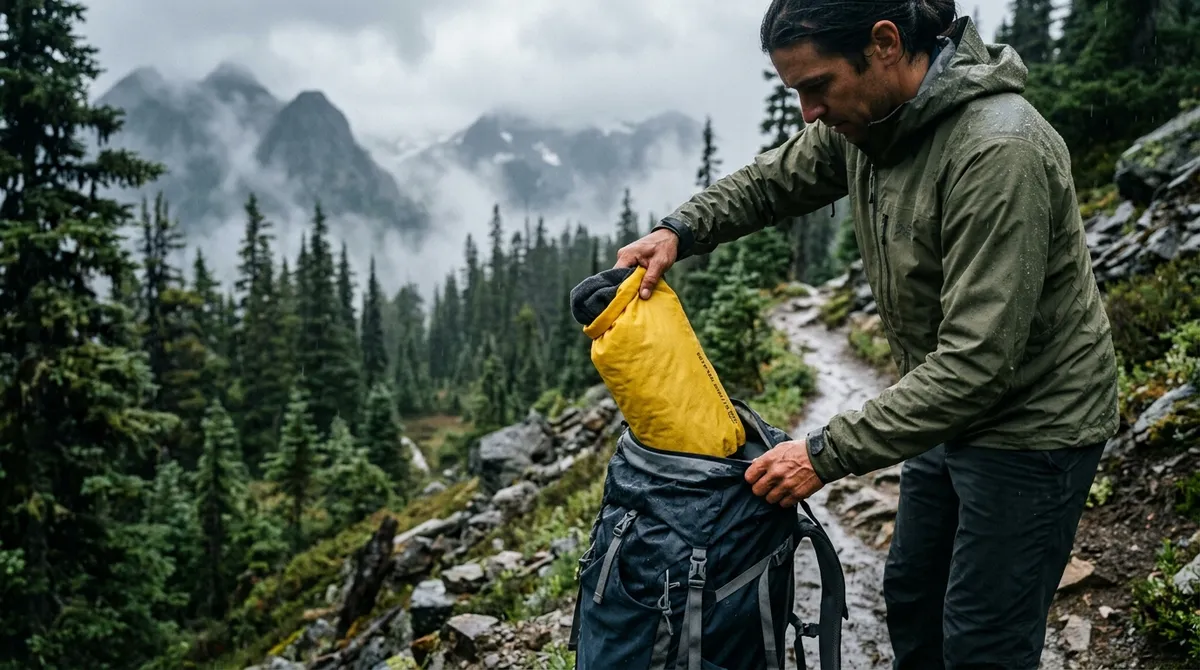
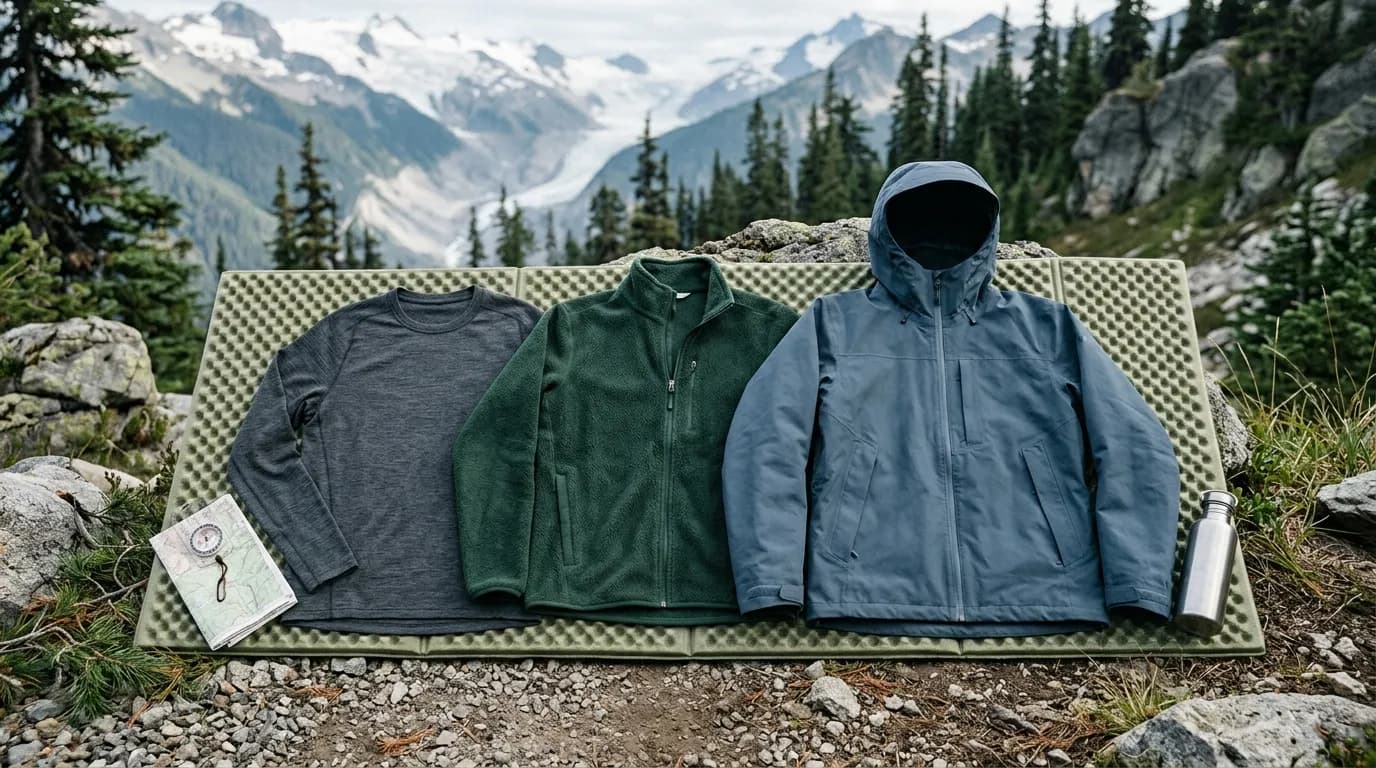
Stuff sacks are usually lightweight tubes or tapered bags with a drawcord or roll-top. They excel at compressible items: puffy jackets, spare fleece, hat and glove bundles, sleep-adjacent extras you might carry on long winter day hikes. They shed wind and light splash when made of silnylon or similar.
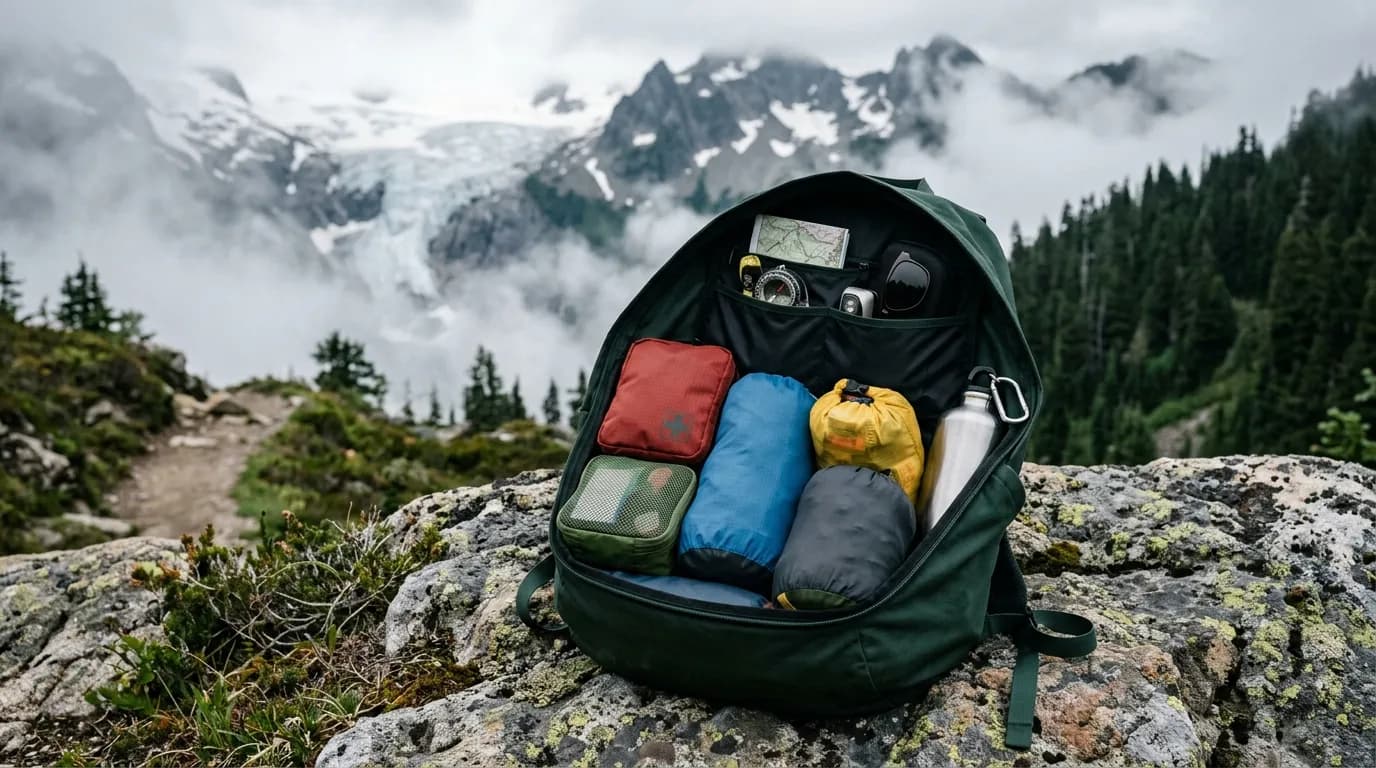
Packing cubes are often zippered boxes or envelopes with a bit more structure. They excel at flat or folded items you want to see at a glance: first-aid pouch inside a cube, electronics in another, food in a third. They do not always compress as tightly as stuff sacks, but they open wide and stay sorted.
Many hikers mix both: cubes for “work zones” like med and tech, stuff sacks for “bulk soft” like insulation. The mistake is buying a matched set designed for airplane carry-ons and dropping it wholesale into a 18-liter daypack. Trail packing is edited packing.
Weight reality check
A thin stuff sack might weigh 15–30 grams. A small cube might weigh 40–70 grams. Three to four organizers total often cost less than 200 grams if you choose simple fabrics. Compare that to the weight of duplicate items you carry because you cannot find the first copy—extra batteries, backup gloves, a second snack bag you forgot you packed. Organization reduces duplication, which is the real weight win.
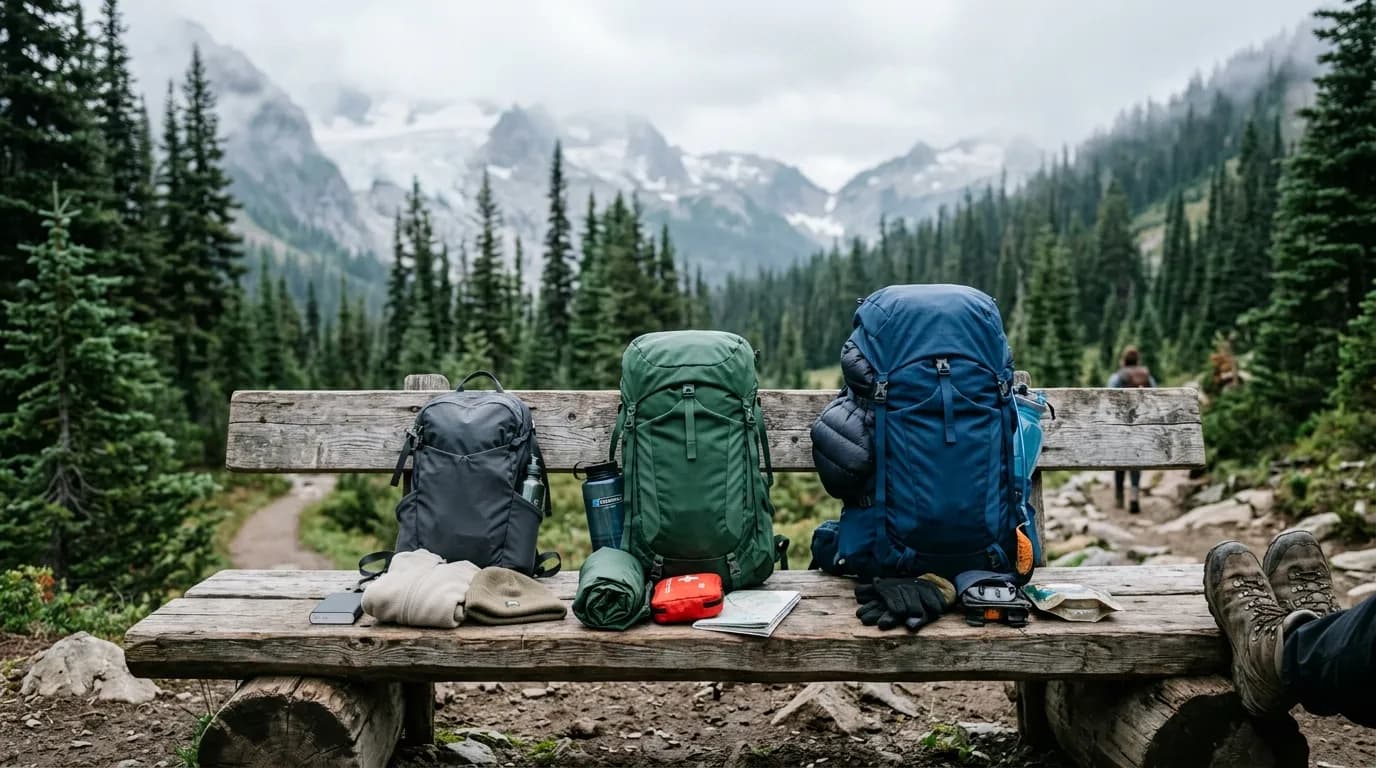
Building zones in your daypack
Think in zones, not in brand names.
- Zone A — Quick access: Snacks, map, phone, light wind layer. Usually hip belt pockets or lid pocket, not buried in cubes.
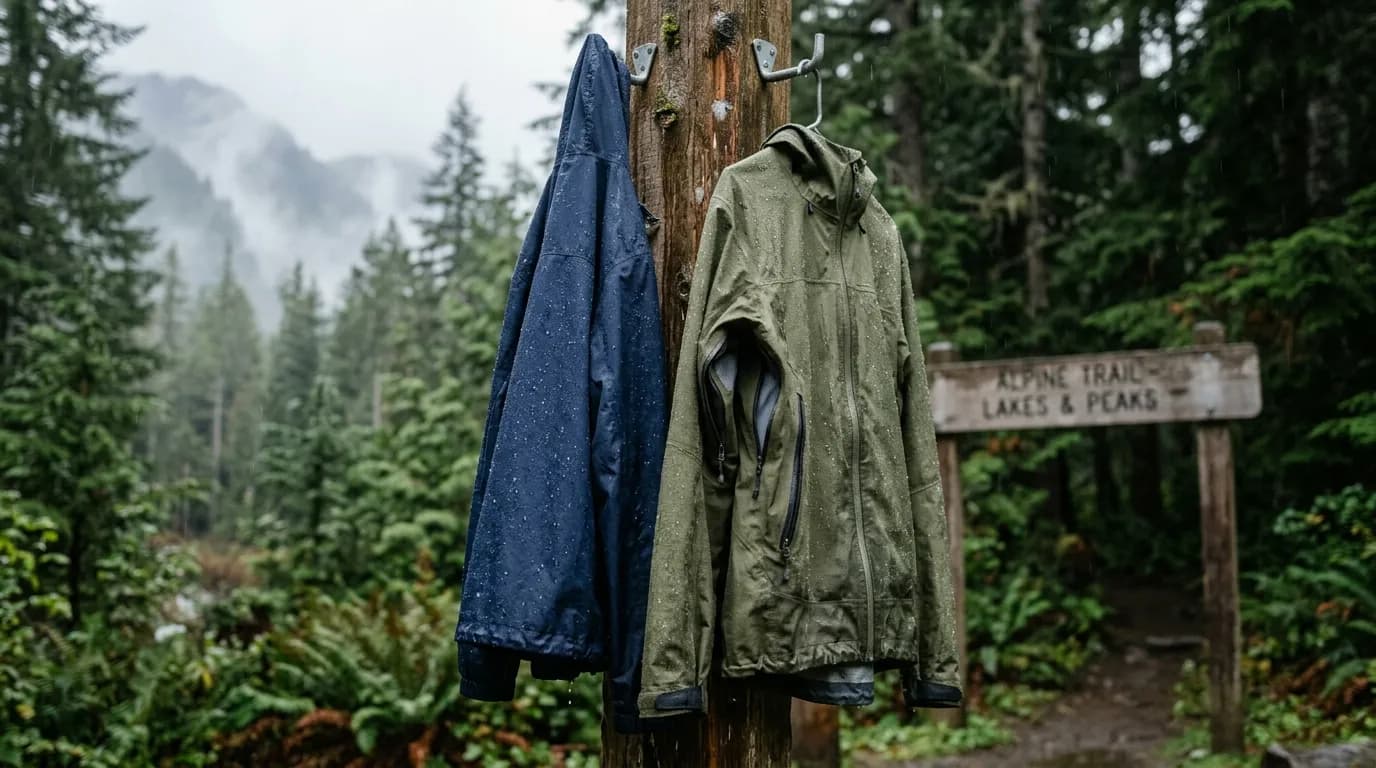
- Zone B — Weather: Rain shell and warm layer in a stuff sack near the top of the main compartment.
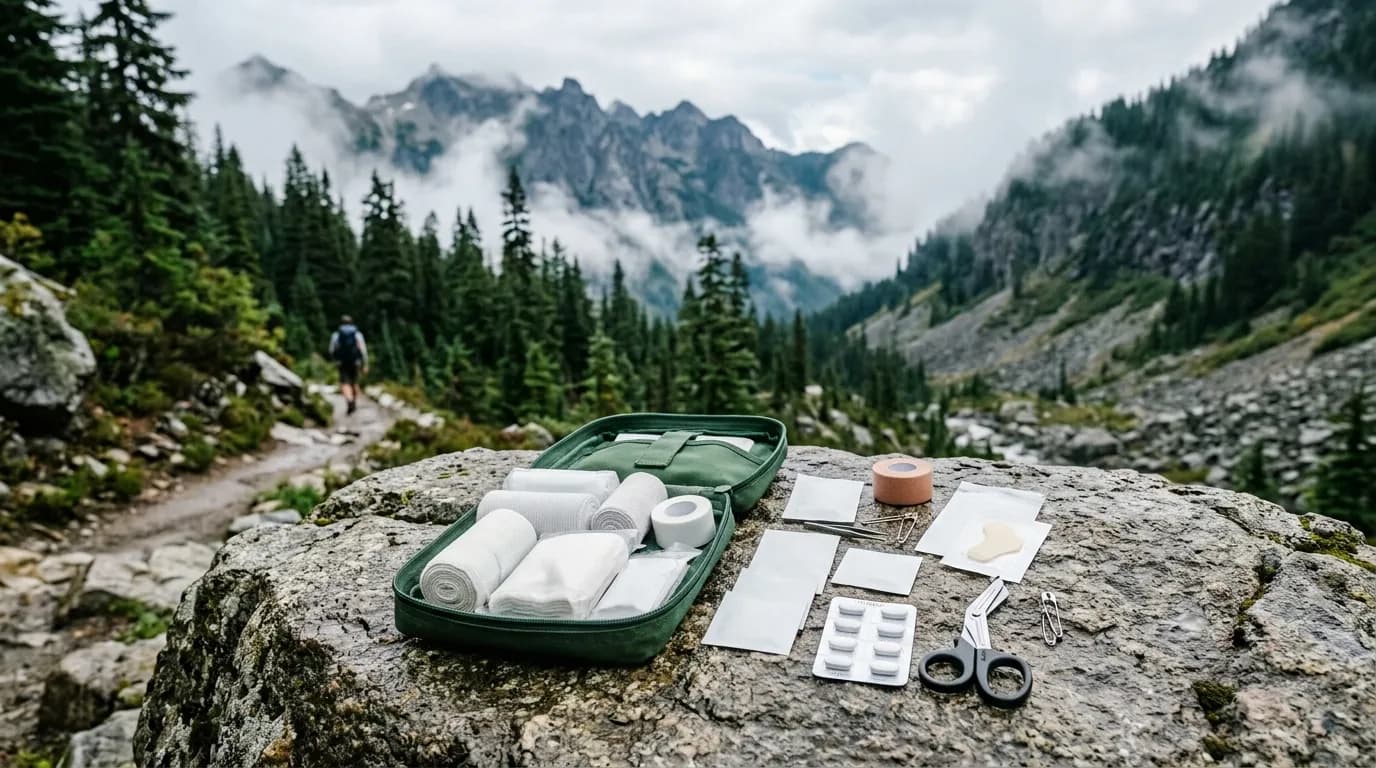
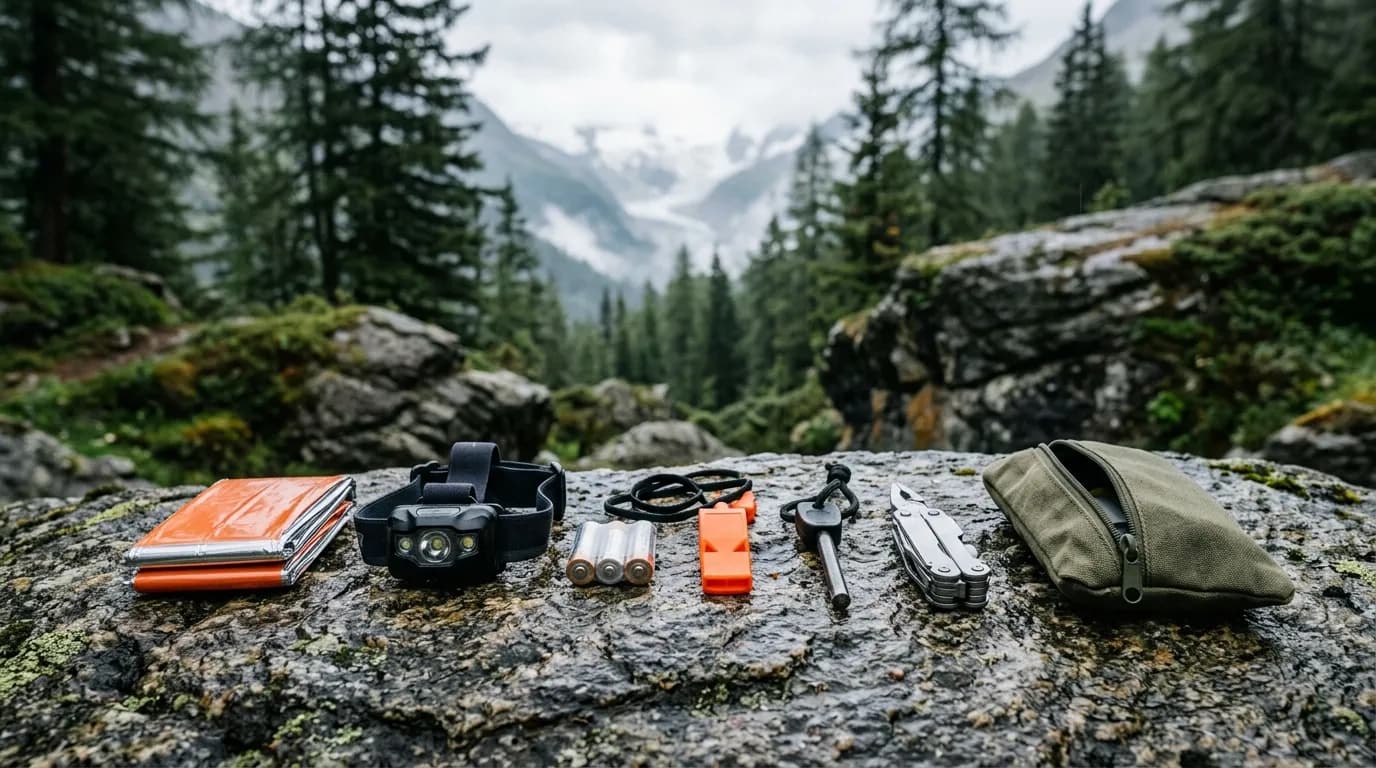
- Zone C — Care: First aid, blister kit, sunscreen in a small cube or zip pouch, same place every hike.
- Zone D — Food main: Lunch and bulk calories in a cube or sack that opens wide at the viewpoint.
- Zone E — Tech and valuables: Battery, charger cable, car keys in a small cube with a little structure so items do not poke.
- Zone F — Extras: Spare socks, hat, gloves in a lightweight stuff sack at the bottom if rarely needed.
Zones can shift by season. Winter pushes gloves toward Zone A. Summer pushes sun protection toward A and insulation toward F. The rule stays: rarely used at bottom, weather and care near top, food where you will actually stop.
Choosing sizes for 15–30 liter daypacks
Match organizer size to pack volume. A 30-liter pack tolerates two medium cubes plus a stuff sack. A 15-liter pack might tolerate one slim cube and one mini stuff sack before the main compartment feels over-walled.
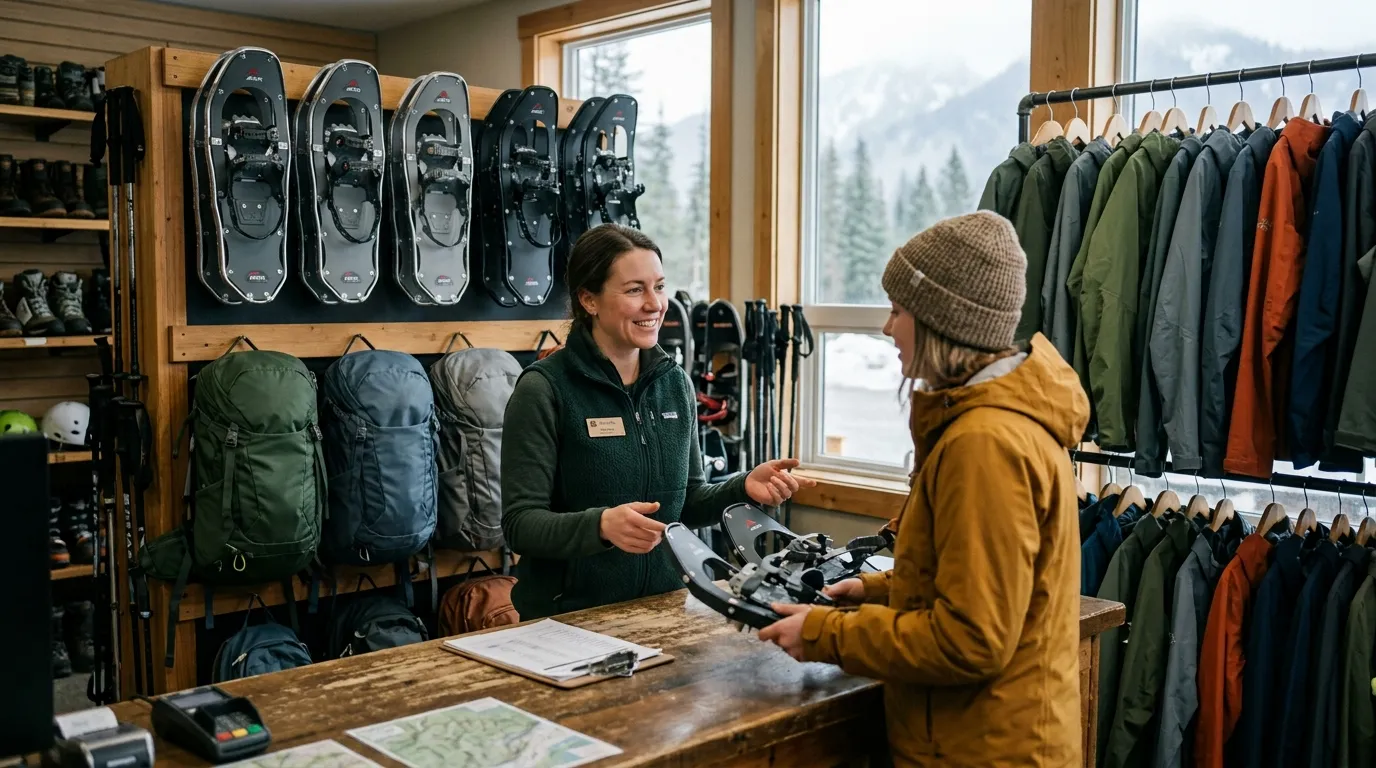
Measure your pack’s main compartment height and width before shopping. A cube that fits airline luggage diagonally may fight a tall narrow hiking pack. Slim envelopes often beat deep cubes for trail geometry. When in doubt, buy one sack and one cube, hike, then add only if you still dump the pack to find things.
Color coding helps without reading labels in rain. First aid in red-toned pouch. Food in neutral earth tone. Tech in dark color. Your system can be subtle; it just needs to be consistent.
Compression: when it helps and when it fights you
Compression straps on stuff sacks can stabilize a jacket block so it does not slosh. Over-compressing puffy insulation for hours can reduce loft temporarily, but for a day hike that usually matters less than keeping the jacket contained. Do not compress rain shells tightly for long periods if you worry about crease memory in fragile fabrics—loose roll is fine.
Packing cubes rarely compress volume; they partition it. Use them where partition matters more than shrink. If you need maximum volume recovery in a tiny pack, a stuff sack wins. If you need to open flat and grab tape, a cube wins.
Water management without overengineering
Liners and organizers solve different problems. A pack liner or pack cover keeps bulk water out. A waterproof stuff sack keeps a down jacket usable if you must open the pack in rain. A cube lined with a zip bag keeps first-aid dry when you sweat through the back panel.
Do not waterproof everything unless your climate demands it. Fully sealed cubes can trap moisture from sweaty bottles and wet shells. Sometimes a breathable cube with a small inner zip bag for bandages is smarter than a submarine-style pouch for the whole med kit.
Food packing that survives a shaking trail
Crushed sandwiches are a morale problem. A structured cube or stiff zip pouch protects lunch from water bottles rolling over it. Separate “trail nibbles” in hip pockets from “sit-down lunch” in the main compartment so you do not accidentally eat your only real meal by mile three.
Smell-sensitive food goes inside a zip bag inside the cube if you hike in bear-aware regions—even on day hikes where policy varies. Organization supports food rules; it does not replace them. Check local guidance.
Seasonal layouts that actually change
Spring mud season: keep spare socks in a small stuff sack near the top, not buried. Summer heat: sun cream cube accessible without unloading food. Fall: layer sack grows; food cube may shrink. Winter: glove sack rises to top; batteries move to an inner pocket with a little insulation from body heat.
Twice a year, repack from scratch instead of editing a summer layout in snow. Blank-slate packing reveals drift—duplicate tools, dead batteries, snack fossils.
Starter plan: one evening to reorganize
Block one hour at the kitchen table.
- Step 1: Empty the entire daypack. Clean crumbs and dried mud.
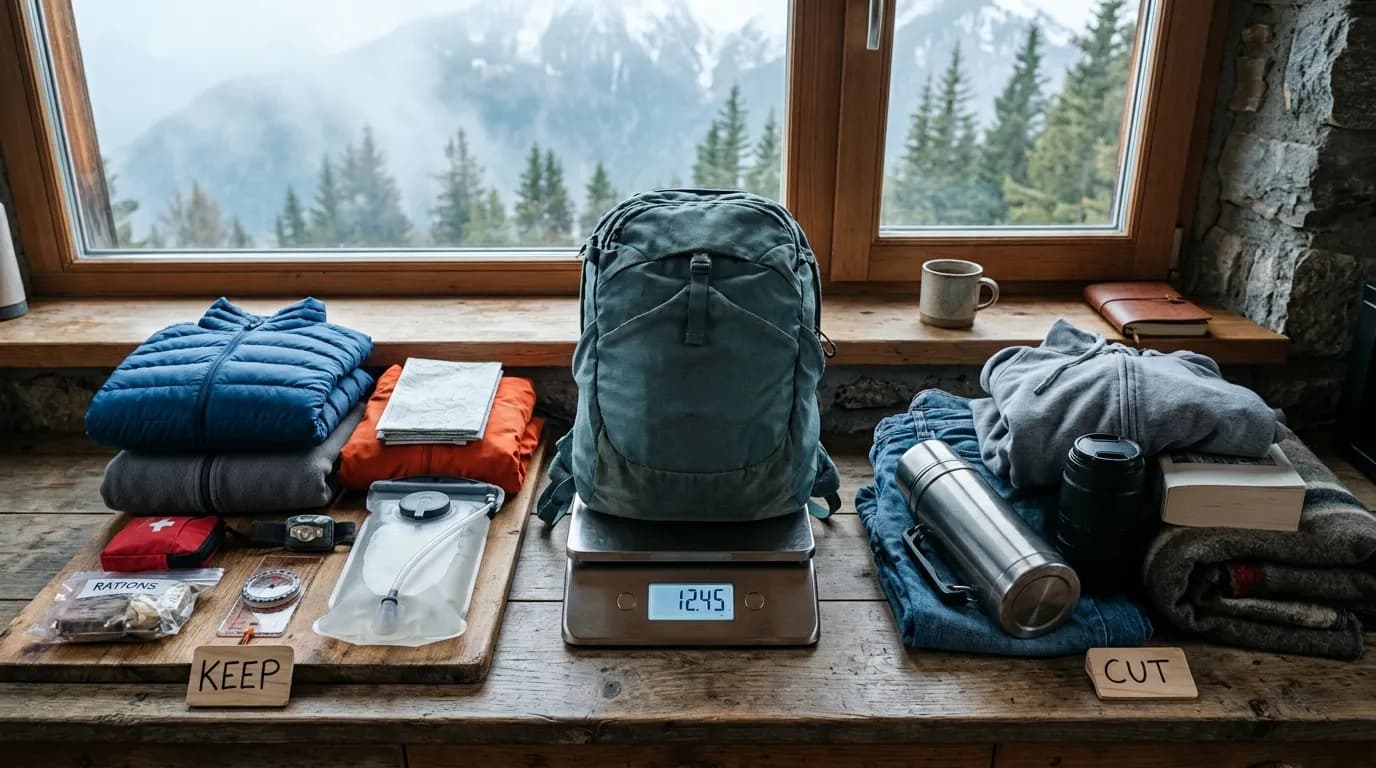
- Step 2: Sort items into keep, relocate, remove. Remove duplicates.
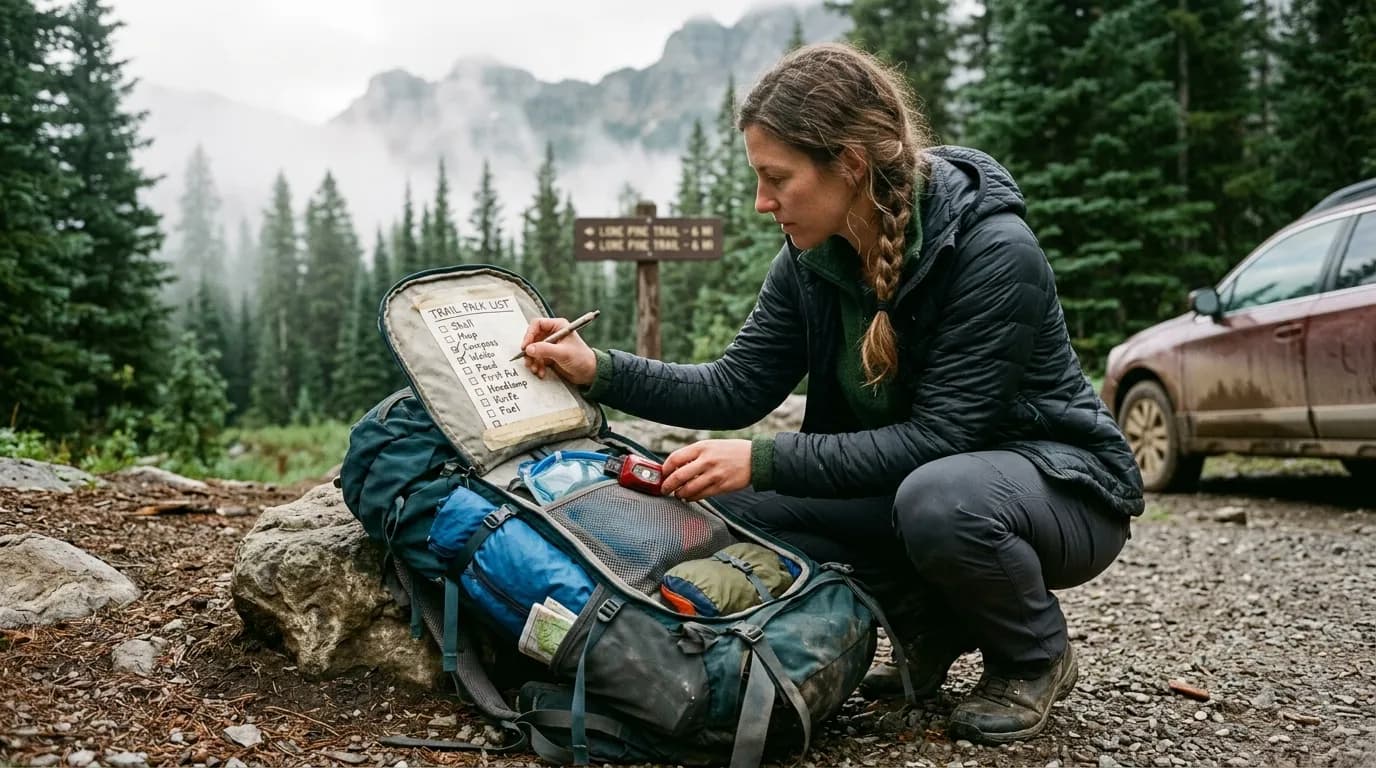
- Step 3: Assign zones A–F on paper. Tape the list inside the pack lid lightly in pencil.
- Step 4: Place one stuff sack for soft layers and one cube for care/tech. Food either gets its own cube or a labeled zip bag if space is tight.
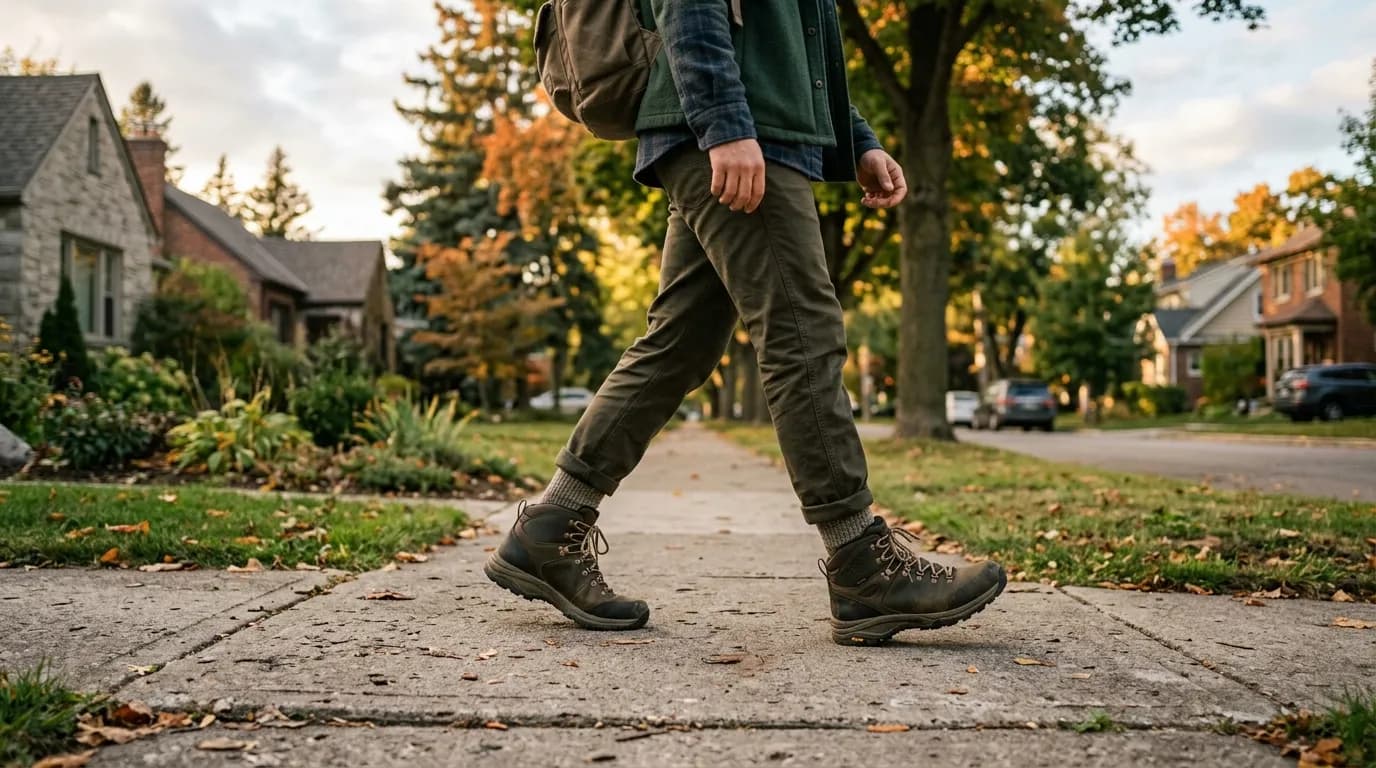
- Step 5: Walk around the block with the loaded pack. Reach for rain layer, snacks, and tape blindfolded with a friend calling items.
Adjust after one real hike. Systems improve with one trip of evidence, not ten hours of theorizing.
Common mistakes
- Too many organizers: Six cubes in a 18L pack leave no room for a jacket.
- Everything in cubes, nothing in quick pockets: Snacks buried defeat the purpose.
- Identical colors and sizes: You will open the wrong zip in wind.
- Over-compressing food: Lunch becomes a physics demo.
- Never revisiting layout: Season changes; the pack should too.
- Buying before measuring pack interior: Fit matters more than brand.
- Organizing junk you should remove: Cubes on duplicate tools add weight, not clarity.
Another mistake is copying a thru-hiker’s compression obsession for a three-hour local loop. Day hikers benefit from clarity more than shrink. Edit organizers until the pack opens like a toolbox, not like a surprise bag.
DIY and budget options
Freezer-weight zip bags with labeled masking tape beat fancy cubes for many hikers. A bread bag inside a sack protects a jacket from drips. Repurpose a small toiletry pouch for first aid. Spend money on organizers only when cheap options fail after real trips—usually because corners rip or zips jam with grit.
Lightweight dry bags from paddling sections often work as dual-purpose stuff sacks in wet regions. Just ensure the fabric is not so stiff it steals internal volume from a small pack.
Teaching partners and kids the same map
If you hike with family, draw a simple map on an index card: “Red pouch = bandages. Yellow bag = snacks. Blue sack = rain coat.” Laminate it if you are feeling formal. Shared language speeds help when someone else reaches into your pack at a windy pass.
Kids old enough to carry their own small packs benefit from one cube only—snacks and layers—so they learn zone thinking without managing a full expedition layout.
FAQ
Are packing cubes worth it for day hiking?
They are worth it if you repeatedly dump your pack to find items or if wet/dry separation matters in your climate. They are not worth it if your pack is already tiny and you carry minimal gear—simple zip bags may suffice.
How many stuff sacks do I need?
Most day hikers do well with one to three: insulation, optional spare clothing, sometimes food if not using a cube. Add sacks only when a category repeatedly contaminates another.
Should I compress my rain jacket in a stuff sack?
Loose or gentle compression keeps it reachable. The goal is location predictability, not minimum volume. Top of pack, one motion, is the win.
Do cubes work in hip belt pockets?
Usually no—they are too rigid. Use soft zip pouches in hip pockets. Reserve cubes for the main compartment.
What about ultralight silicone sacks?
They save grams but tear faster with sharp items nearby. Keep sharp tools in structured pouches away from ultralight film sacks.
Can organizers replace a gear checklist?
No. Organizers implement a checklist; they do not replace thinking about what belongs in the pack. Pair both for best results.
Related reading
Organizers only shine inside a pack that fits your typical day. Start with daypack size guide for 15, 20, and 30 liter packs, then lock the routine with gear checklist habit: pack the same way every time. Size plus habit plus simple sacks beats any catalog set marketed for airports.
Packing cubes and stuff sacks are boring gear in the best sense. They do not make summit photos. They make you calm when the wind picks up and your hands know exactly which zipper holds the shell. Build zones, measure once, hike twice, and let the pack fade into the background where it belongs.
Daily Peaks is about carrying smart, not carrying more. A few grams of nylon organization can save ounces of duplicate items and hours of fumbling over a season. Edit until opening your pack feels like opening a well-labeled drawer, then go look at the ridge instead of the floor of your bag.
When your system works, you stop noticing it. That silence is the compliment organizers deserve. Keep the layout stable through a month of hikes, then tweak one zone at a time. Stability teaches you what you actually reach for; constant rearranging hides the pattern.
Trail days reward people who can find their rain layer before the cloud breaks. Cubes and sacks are small tools for that quiet competence. Use them sparingly, label them honestly, and hike like your pack already knows the plan.
That is enough structure. The rest is trail time.
Pack once. Walk often.
— Daily Peaks
One more note: photograph your packed layout flat once when it is dialed. After a frantic repack at 5 a.m., the photo beats memory. Simple visual backup, no app required.
Stay organized out there.
See you on the switchback where nobody waits while you dig for gloves.
End of line.
Walk light.
Done.
Carry well.
Trail clear.
Pack smart.
Go.
—
Final word: if a cube is empty after three hikes, remove it. Empty organizers are weight with pretense. Keep what earns space by use, not by hope.
Good hike.