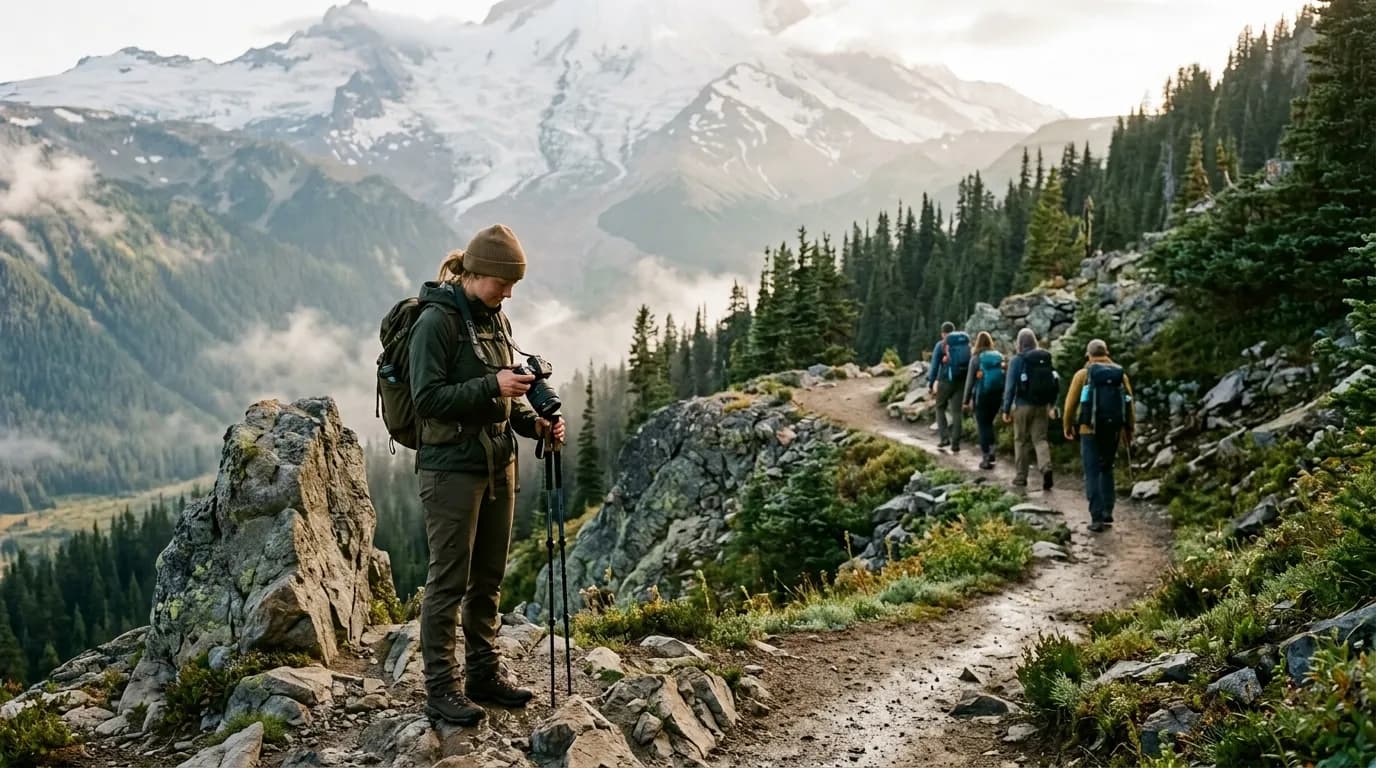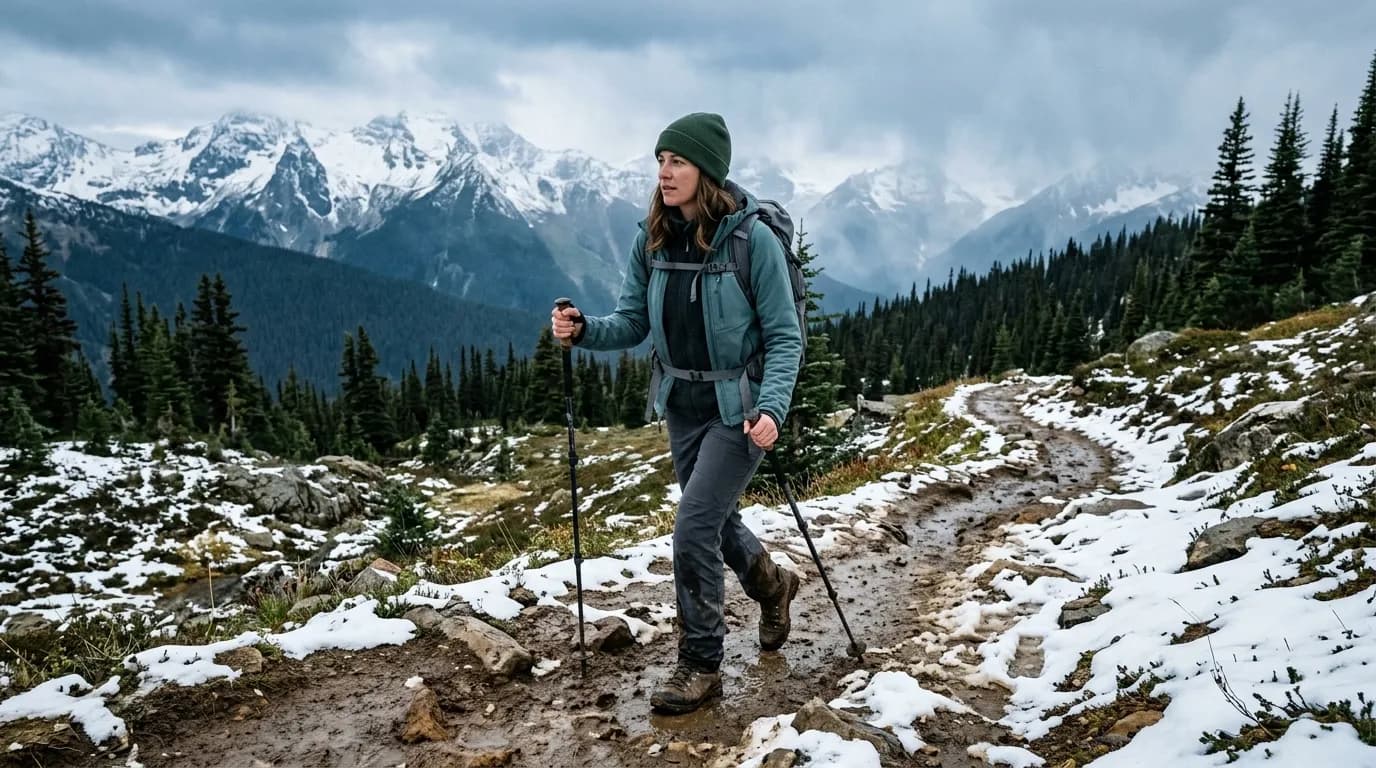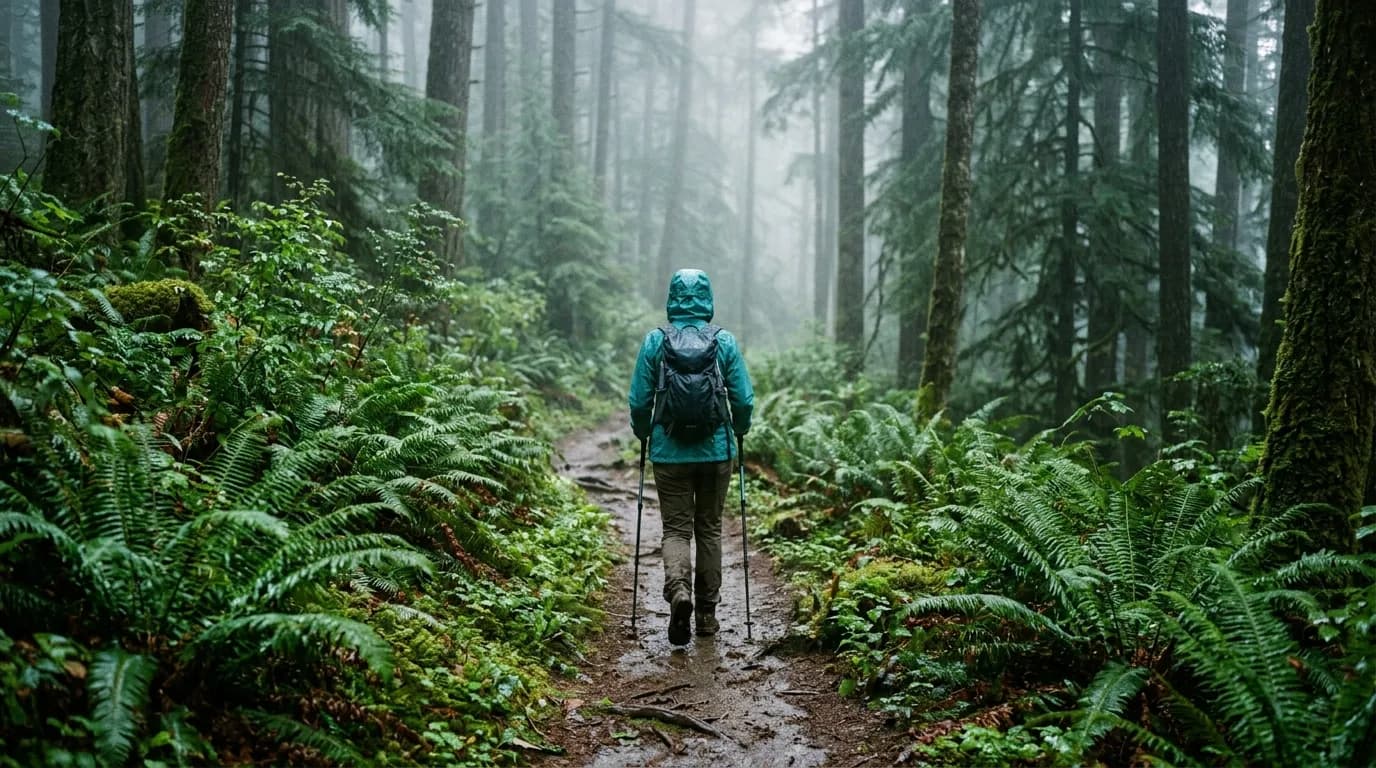
Ten miles on a map is often six to eight hours on feet once gain, breaks, and wrong-turn corrections land. Packing for that span means enough food, water capacity, and layers to stay sharp on mile nine — without hauling camp gear you will never touch. This list targets established weekend trails in moderate weather; adjust for winter, desert, or alpine exposure.
Beginners start with Day Hike Packing List for Beginners. When the pack creeps heavy, run a packing weight audit for day hikes — ten miles punish unnecessary ounces on every downhill step.
Pack Size and Weight Target
Twenty-liter daypacks fit this load if packed disciplined. Aim under fifteen pounds total including water for most temperate trips. Heavier is not safer if fatigue slows you and blurs footing.
Navigation and Communication
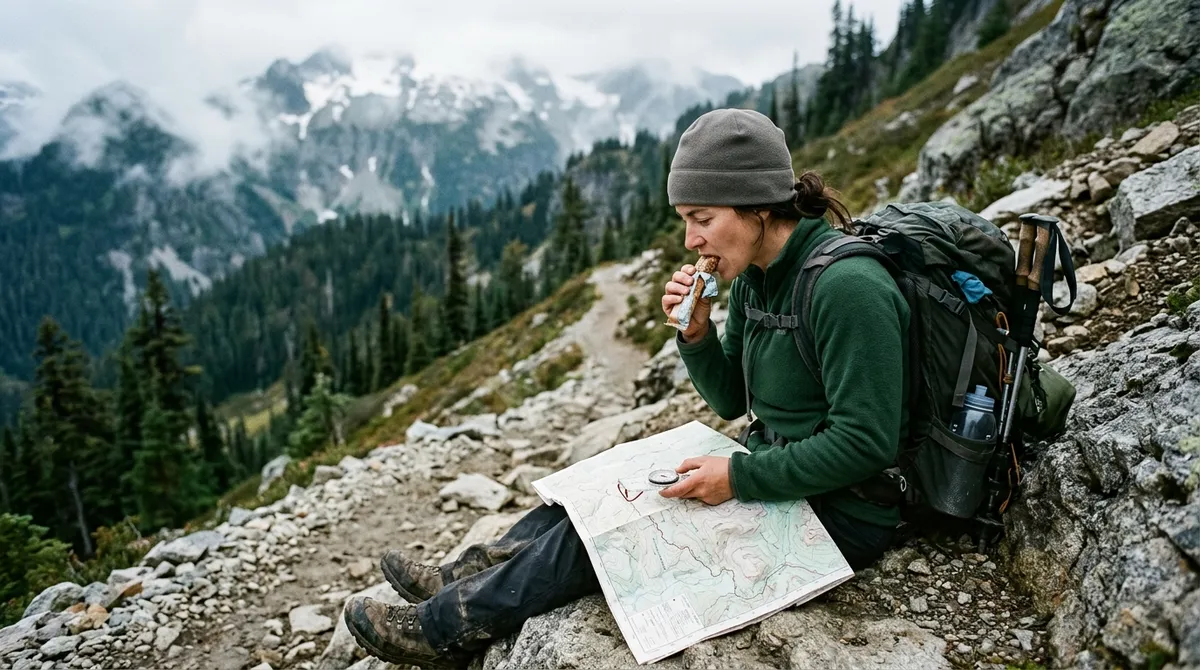
- Map and compass or reliable offline app — phone alone is fragile.
- Fully charged phone; battery bank if cold weather kills cells fast.
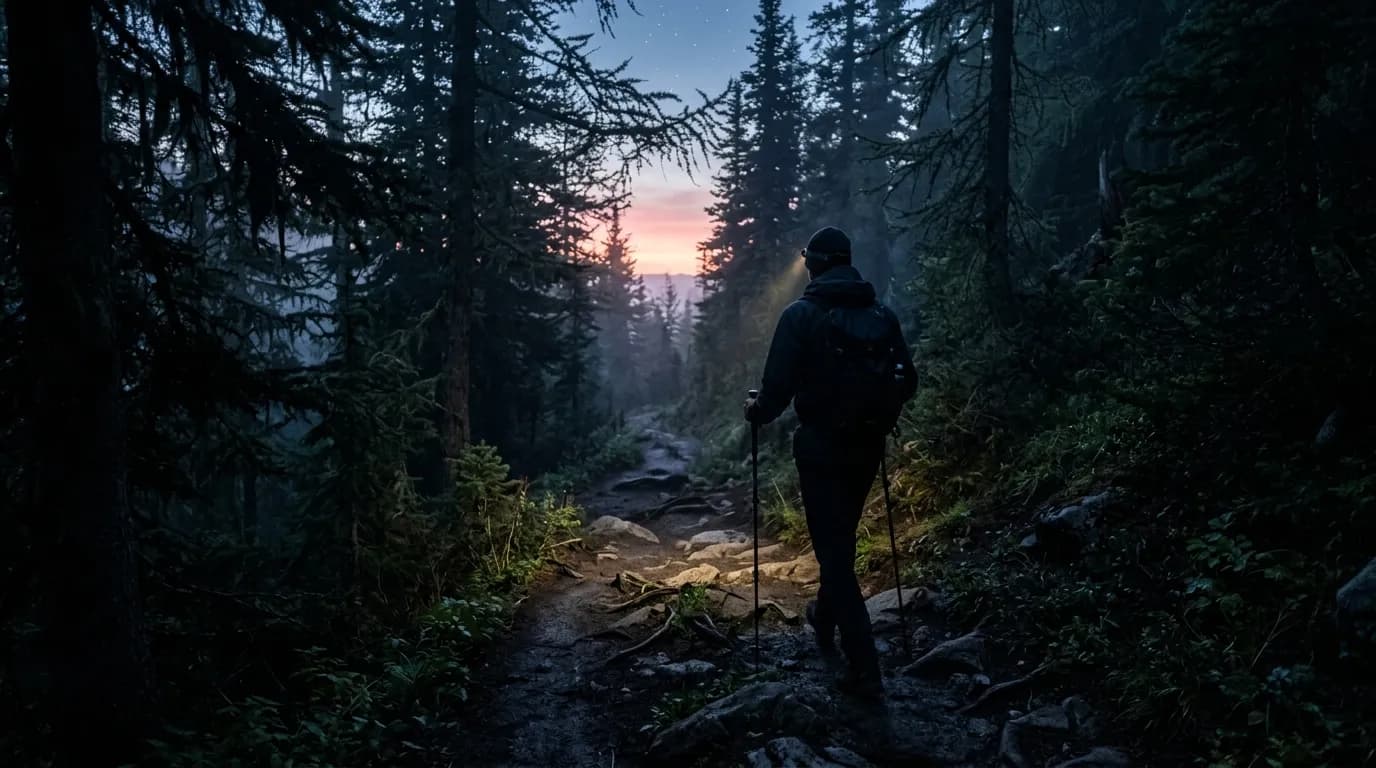
- Whistle, small headlamp even on "short" days — ten miles run long.
Water and Food
Carry two to three liters capacity; filter if sources exist. Plan roughly one liter per two hours in mild temps, more in heat or altitude. Food: 200–300 calories per hour eaten in bites — bars, sandwiches, nuts, electrolytes if sweating hard.
Clothing Layers
Base, mid, shell, hat, gloves for shoulder season. Sun shirt and SPF in warmer months. Rain pants optional unless long exposed ridge or wet brush.
Safety and Repair
- Small first-aid: blister care, bandages, tape you know how to use.
- Knife or multitool, duct tape wrap on pole.
- Emergency shelter bivy or large bag — lightweight insurance.
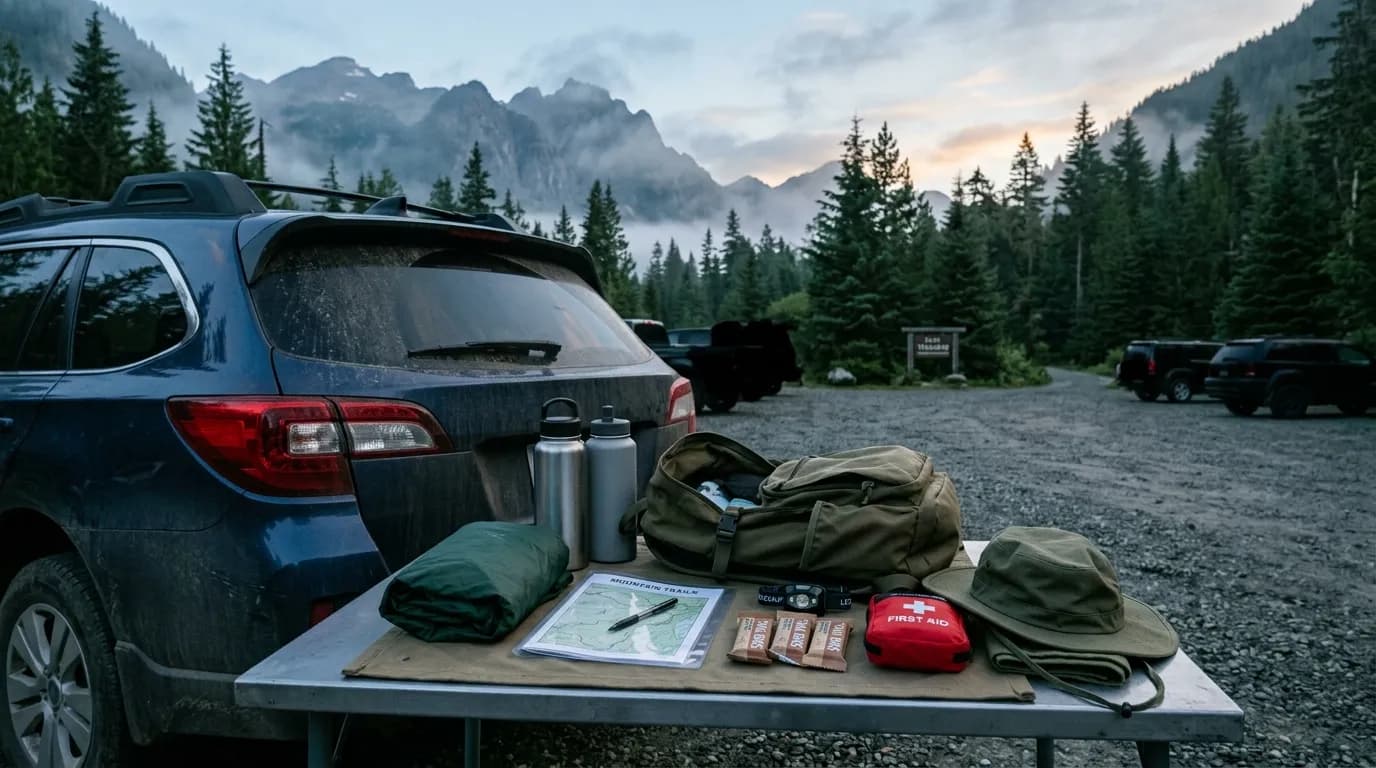
Sample Pack List
- Daypack 20–25L
- Water bottles or bladder plus filter
- Food and electrolytes
- Layers: base, fleece/puffy, shell
- Headlamp, whistle, first-aid
- Map/app, phone, battery
- Sun: hat, sunglasses, SPF
- Trekking poles optional for knees on long descents
Starter Plan: Night-Before 10-Mile Pack
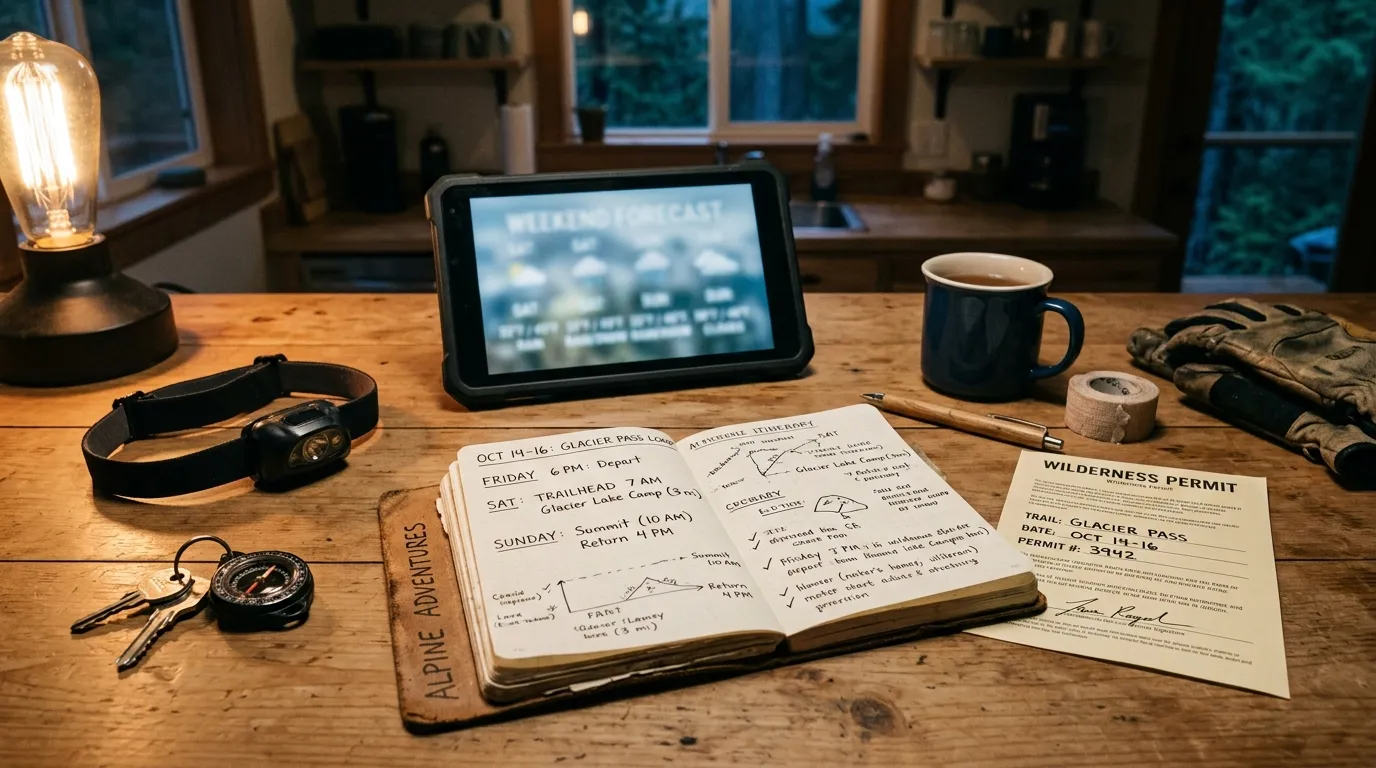
- Check weather trailhead and high point.
- Fill water; stage food in reachable pocket.
- Lay out layers light to heavy; shell on top.
- Charge phone; load offline map.
- Weigh pack; remove one item you did not use last trip.
Common Mistakes
- Cotton everywhere — sweat and chill on hour six.
- Single 500 ml bottle — dehydration by mile seven.
- First-aid kit untouched since purchase — replace blister items used last trip.
- No headlamp because you planned to finish by four — plans slip.
- Duplicate gadgets — one navigation method mastered beats three partial.
Frequently Asked Questions
Are trekking poles worth it for 10 miles?
Helpful on long descents and with heavy packs; optional on flat mellow trails..
How much food exactly?
Roughly 1500–2500 calories depending on body size and pace — spread across the day..
Hiking shoes or boots?
Either works on maintained trails if broken in; match footwear to load and ankle confidence..
Do I need emergency bivy?
Lightweight bivy or space blanket is cheap insurance on long remote days..
Can I skip the map if I have GPS?
Phones fail; paper or downloaded map with battery backup is the pair, not either-or..
General packing guidance — adapt to trail conditions and local regulations.
Related Guides
Ten miles on paper is often twelve with wrong turns, social pace, and viewpoint detours. Pack for time on feet, not spreadsheet distance.
Food belongs in an reachable pocket, not buried under rain gear you might need before lunch.
One liter per two hours is a starting point that heat, altitude, and pack weight adjust upward.
The first aid you know how to use beats the mega kit you fear opening. Tailor to blisters and bandages before exotic items.
Weigh once, then remove duplicates. Two knives, three fire starters, and four lip balms happen gradually unless you audit.
Weekend trail culture runs on small repeatable decisions: what time you leave the trailhead, how you split snacks, whether you name a turnaround before the first viewpoint. Those decisions compound across two days more than any single gear upgrade. Write them down once and your next trip starts calmer.
Trail time differs from clock time in ways maps hide. A flat six miles with social pacing can take as long as a steep four with a fit solo hiker. Build your plan around hours on feet and elevation change, then adjust for group size and photo stops. Distance alone misleads packing and food math.
Communication beats equipment in most weekend friction stories. Saying "I need a layer stop" early prevents the cranky shuffle later. Saying "I think we are behind the itinerary" at lunch prevents the doomed push for a summit at dusk. Polite clarity is a safety skill.
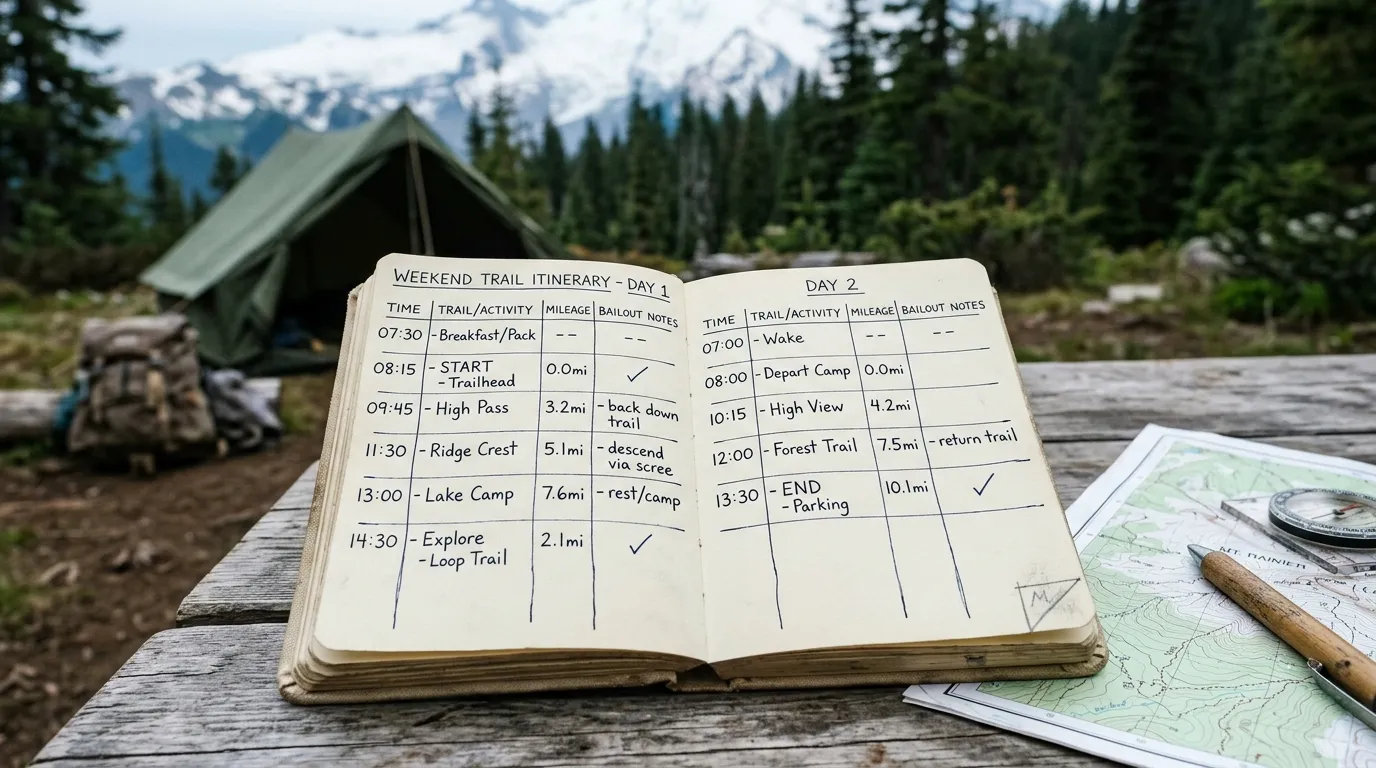
Water planning deserves its own line on every itinerary. Mark last reliable sources on the map. Note whether streams are seasonal. Running dry on mile eight of ten turns a good day into a cautious retreat even when legs feel fine.
Food fatigue is real on long days — the bar you loved at mile two tastes like cardboard at mile seven. Pack variety: something chewy, something salty, something with quick sugar. Eat before you are empty; bonking makes every downhill feel steeper.
Foot care is recovery in disguise. Trim nails before multi-day weekends. Address hot spots when they tingle, not when they blister. Dry socks in the car for day two cost little space and save entire trips.
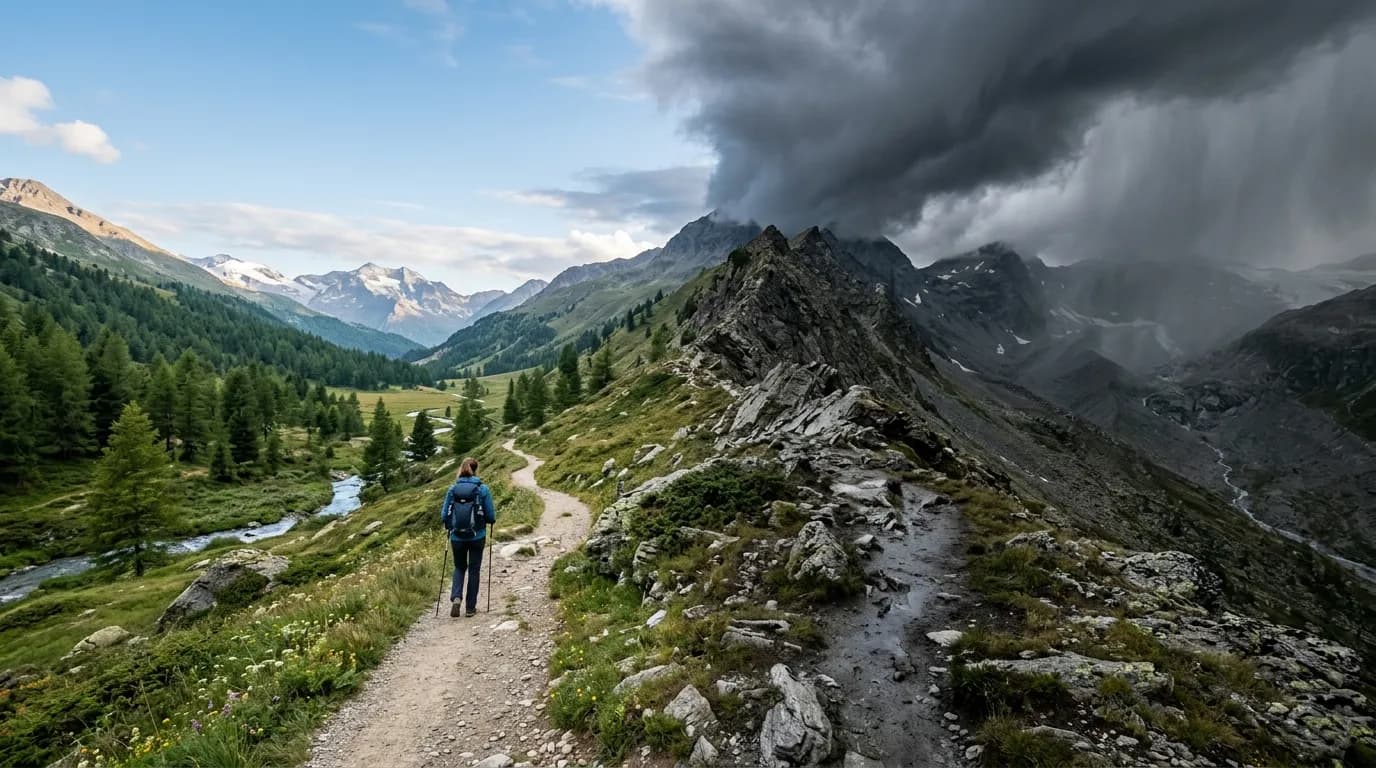
Weather windows on shoulder weekends are narrow. Morning starts are not heroic; they are arithmetic. Afternoon storms on ridges do not negotiate because you slept in. Align leave times with forecast trends, not with brunch preferences.
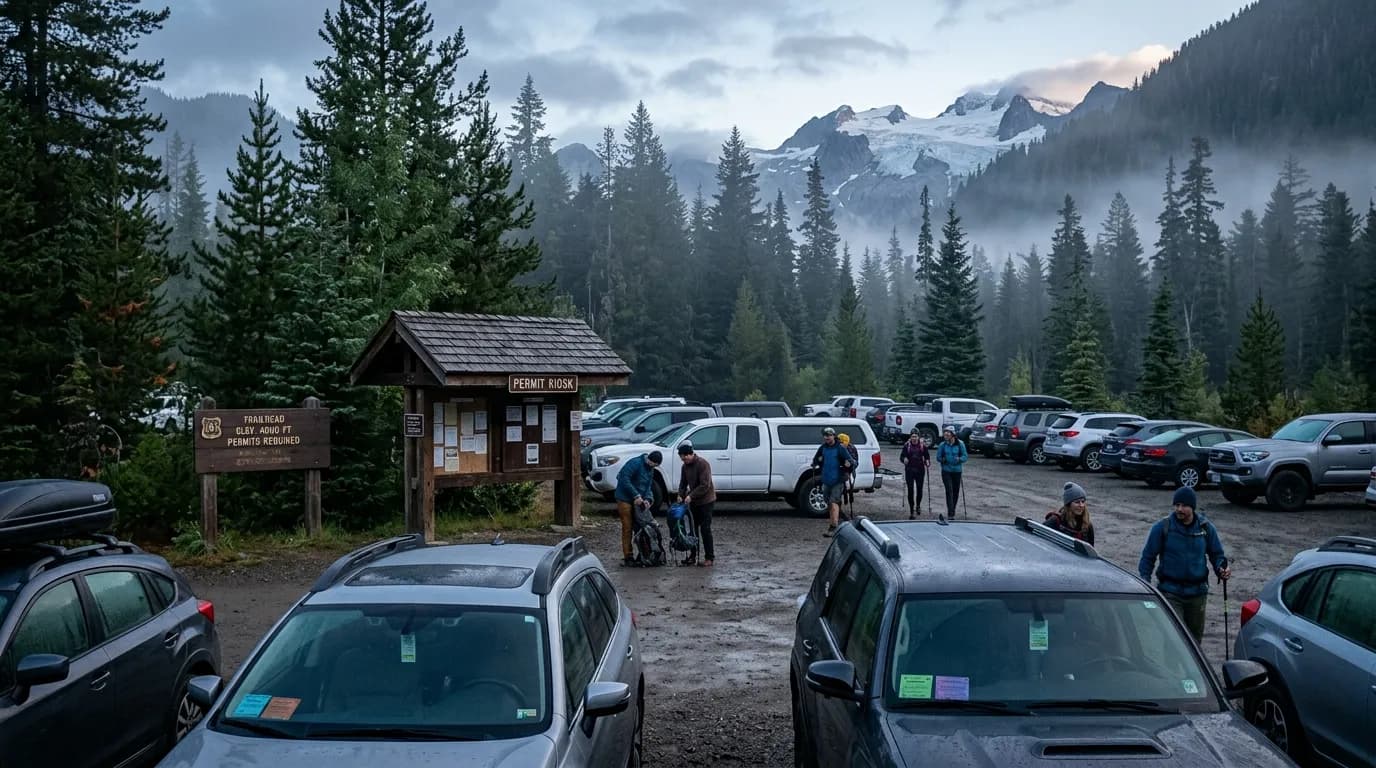
Parking logistics belong in planning. Popular trailheads fill by eight on fair weekends. Backup lots, permit kiosks, and pit toilets affect real departure times. Add those minutes before you promise someone you will be home for dinner.
Leave No Trace applies to group behavior too: yield on narrow trails, keep voices low near camps, pack out orange peels and apple cores. Weekend crowds test trail ethics; your group can either add stress or model calm trail citizenship.
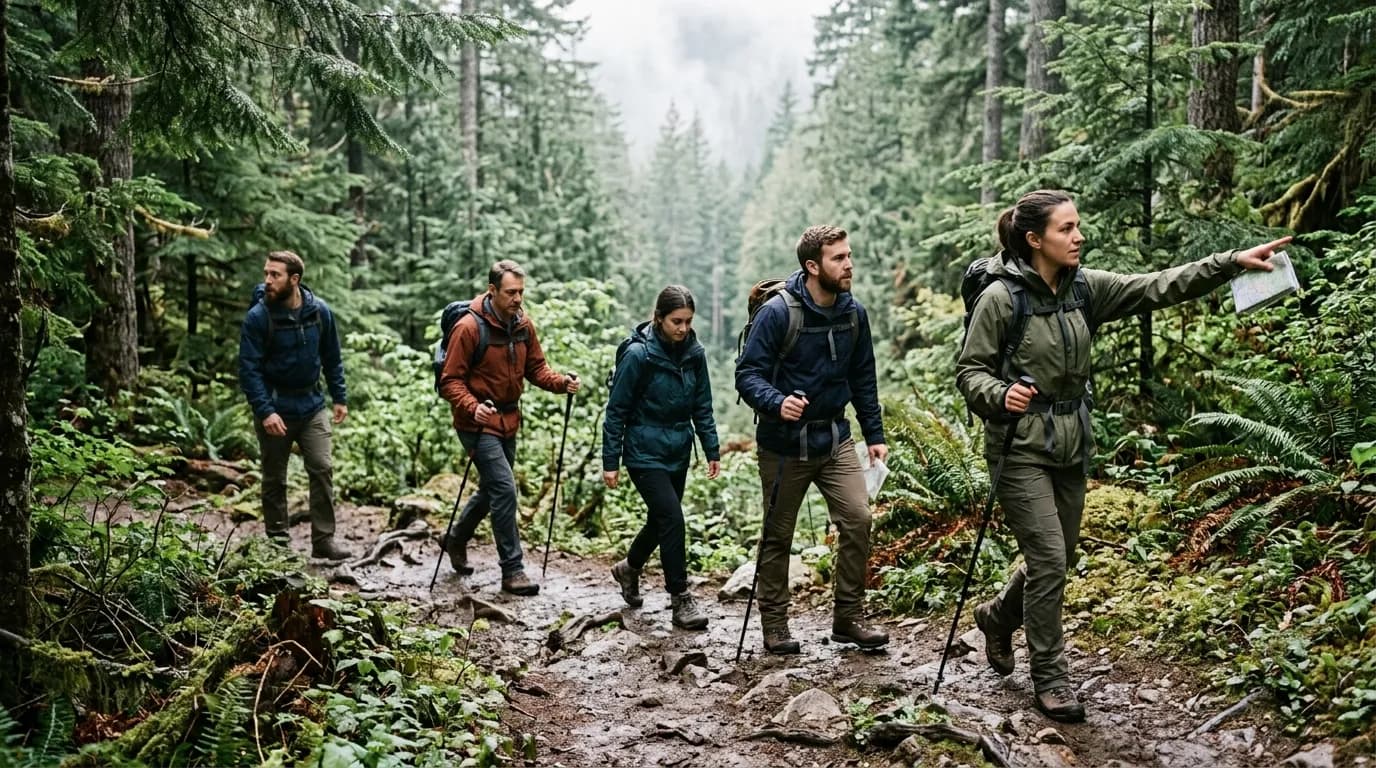
Navigation confidence grows when everyone glances at the map, not only the designated navigator. Rotate who reads the junction sign aloud. Shared awareness prevents one tired person from missing a critical fork at dusk.
Emergency plans need not be dramatic. Know the nearest road crossing, cell pockets if any, and who calls home if you are late. A laminated card in the pack beats a heroic story about improvising under stress.
Fitness varies within friend groups. Weekend trips survive when pace matches sustainable effort for the whole crew, not the person who ran a 5K last month. Pride is heavy; slow is smooth, smooth is fast over ten miles.
Sleep debt from Friday night drives affects Saturday more than people admit. If the group stayed up late, build a later but shorter route instead of pretending everyone is fresh at 5 a.m. Honest starts beat miserable slogs.
Gear familiarity matters: new boots, new pack, new rain jacket — test on shorter outings before a ten-mile weekend centerpiece. Unknown friction points appear around hour four, exactly when you have no spare attention.
Sun exposure accumulates on open ridges even in cool air. Burned necks and squint headaches degrade decisions on descent. Sunscreen, lips, and eyes are not summer affectations; they are ten-mile essentials.
Stream crossings slow groups disproportionately. Plan extra time if the route crosses multiple creeks in spring runoff. Unbuckle hip belts before deep crossings, face upstream, use poles — and count that teaching time in the itinerary.
Dogs, kids, and photographers change pace math. If your group includes any of the three, widen time buffers and shorten distance before you widen ambition. Successful weekends repeat; overreach once and people decline the next invite.
Post-trip review takes ten minutes in the car: what worked, what we carry next time, what we leave home. That review is how casual hikers become reliable partners without formal training.
Altitude affects appetite and hydration even below mountaineering heights. If the weekend includes new elevation for your crew, add snacks and water capacity beyond flatland habits.
Trail maintenance changes routes. Downed trees, washed bridges, and seasonal closures appear on social feeds before official pages update. Check recent trip reports the night before and mark alternatives on the map.
Ten miles on paper is often twelve with wrong turns, social pace, and viewpoint detours. Pack for time on feet, not spreadsheet distance.
Food belongs in an reachable pocket, not buried under rain gear you might need before lunch.
One liter per two hours is a starting point that heat, altitude, and pack weight adjust upward.
The first aid you know how to use beats the mega kit you fear opening. Tailor to blisters and bandages before exotic items.
Weigh once, then remove duplicates. Two knives, three fire starters, and four lip balms happen gradually unless you audit.
Weekend trail culture runs on small repeatable decisions: what time you leave the trailhead, how you split snacks, whether you name a turnaround before the first viewpoint. Those decisions compound across two days more than any single gear upgrade. Write them down once and your next trip starts calmer.
Trail time differs from clock time in ways maps hide. A flat six miles with social pacing can take as long as a steep four with a fit solo hiker. Build your plan around hours on feet and elevation change, then adjust for group size and photo stops. Distance alone misleads packing and food math.
Communication beats equipment in most weekend friction stories. Saying "I need a layer stop" early prevents the cranky shuffle later. Saying "I think we are behind the itinerary" at lunch prevents the doomed push for a summit at dusk. Polite clarity is a safety skill.
Water planning deserves its own line on every itinerary. Mark last reliable sources on the map. Note whether streams are seasonal. Running dry on mile eight of ten turns a good day into a cautious retreat even when legs feel fine.
Food fatigue is real on long days — the bar you loved at mile two tastes like cardboard at mile seven. Pack variety: something chewy, something salty, something with quick sugar. Eat before you are empty; bonking makes every downhill feel steeper.
Foot care is recovery in disguise. Trim nails before multi-day weekends. Address hot spots when they tingle, not when they blister. Dry socks in the car for day two cost little space and save entire trips.
Weather windows on shoulder weekends are narrow. Morning starts are not heroic; they are arithmetic. Afternoon storms on ridges do not negotiate because you slept in. Align leave times with forecast trends, not with brunch preferences.
Parking logistics belong in planning. Popular trailheads fill by eight on fair weekends. Backup lots, permit kiosks, and pit toilets affect real departure times. Add those minutes before you promise someone you will be home for dinner.
Leave No Trace applies to group behavior too: yield on narrow trails, keep voices low near camps, pack out orange peels and apple cores. Weekend crowds test trail ethics; your group can either add stress or model calm trail citizenship.
Navigation confidence grows when everyone glances at the map, not only the designated navigator. Rotate who reads the junction sign aloud. Shared awareness prevents one tired person from missing a critical fork at dusk.
Emergency plans need not be dramatic. Know the nearest road crossing, cell pockets if any, and who calls home if you are late. A laminated card in the pack beats a heroic story about improvising under stress.
Fitness varies within friend groups. Weekend trips survive when pace matches sustainable effort for the whole crew, not the person who ran a 5K last month. Pride is heavy; slow is smooth, smooth is fast over ten miles.
Sleep debt from Friday night drives affects Saturday more than people admit. If the group stayed up late, build a later but shorter route instead of pretending everyone is fresh at 5 a.m. Honest starts beat miserable slogs.
Gear familiarity matters: new boots, new pack, new rain jacket — test on shorter outings before a ten-mile weekend centerpiece. Unknown friction points appear around hour four, exactly when you have no spare attention.
Sun exposure accumulates on open ridges even in cool air. Burned necks and squint headaches degrade decisions on descent. Sunscreen, lips, and eyes are not summer affectations; they are ten-mile essentials.
Stream crossings slow groups disproportionately. Plan extra time if the route crosses multiple creeks in spring runoff. Unbuckle hip belts before deep crossings, face upstream, use poles — and count that teaching time in the itinerary.