Beginning hikers face a shopping problem disguised as preparation. Every catalog insists you need specific jackets, packs, poles, and gadgets before you deserve a trail. Meanwhile, your first year of hiking is a discovery phase: you learn what distances feel good, what weather you actually hike in, and whether your local trails are muddy forest loops or rocky ridges. Renting and buying strategically keeps money and closet space from becoming the story instead of walking.
Rent vs buy is not a moral debate. It is a timing question. Some gear teaches you nothing until you own it and use it weekly—socks, shoes, a daypack that fits your torso. Other gear makes more sense borrowed until you know your patterns—poles if you are unsure about knee issues, specialized layers for a one-off alpine trip, snowshoes for a single February weekend.
This guide helps beginners decide when to rent outdoor gear and when to buy, with honest tradeoffs on cost, fit, hygiene, and learning speed. Pair it with cheap vs premium rain jackets for hiking when you are ready to buy weather protection, and with daypack size guide for 15, 20, and 30 liter packs before you commit to a pack purchase. Renting time while you learn sizing saves more than renting random gadgets.
The beginner’s real goal: learn your pattern
Your first six months should answer simple questions. How long is a comfortable day? Do you hike mostly within an hour of home or drive to mountains monthly? Do you run hot or cold? Do your feet prefer low shoes or mid boots? Do you actually eat sit-down lunches or graze on bars? Gear choices follow those answers. Without the answers, buying is guessing with shipping labels.
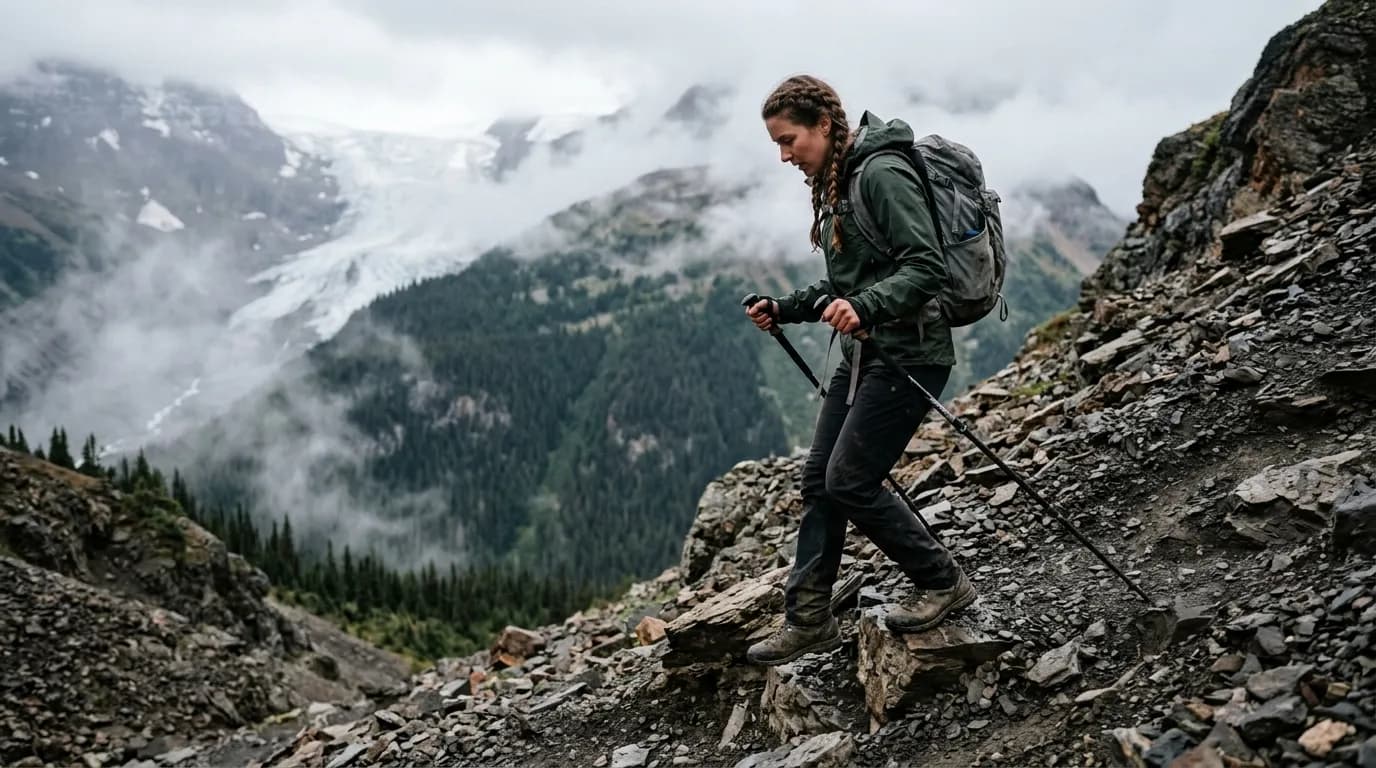
Renting accelerates exposure. You can try snowshoes without owning them forever. You can borrow a friend’s larger pack for an overnight intro workshop. You can rent trekking poles on a steep descent-heavy trip to see if your knees notice. Each experiment informs buy lists.
Buying accelerates habit. Items you touch every week—pack, footwear, rain layer you trust—should become yours so fit and maintenance settle. Daily friction with rented footwear rarely works; foot shape is too personal.
What usually makes sense to buy early
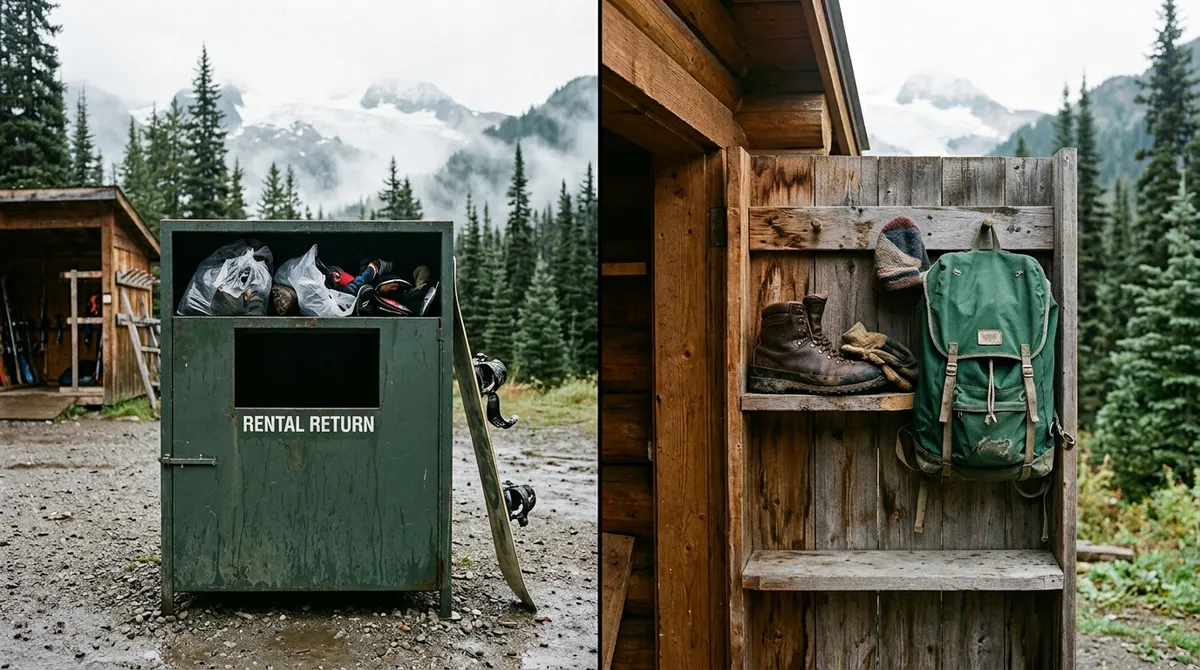
Prioritize items that touch your body, affect safety baseline, or get used every outing.
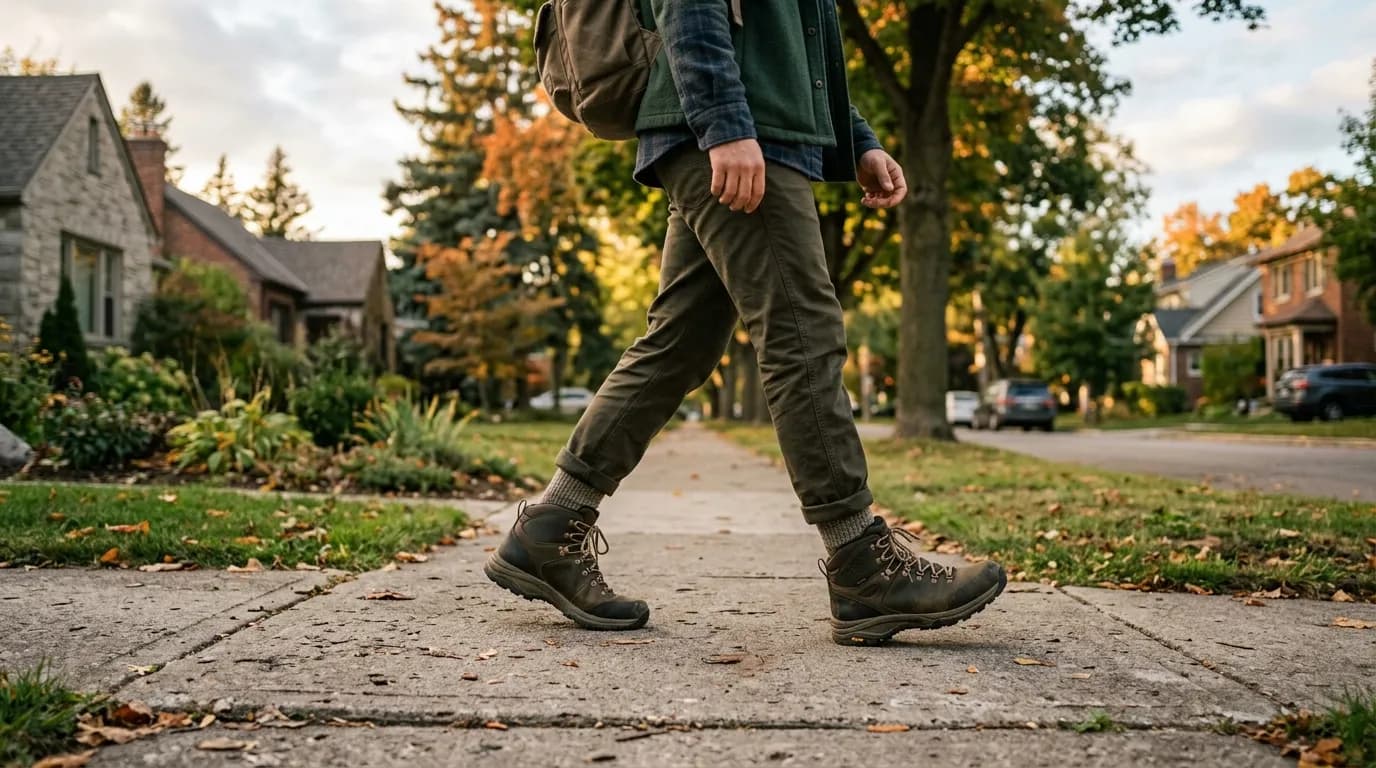
- Footwear that fits: Renting boots for multiple weeks costs nearly as much as budget new shoes and fit rarely matches. Buy after a proper try-on, then break in gradually.
- Socks: Personal, inexpensive, high impact on comfort. Own several pairs suited to your climate.
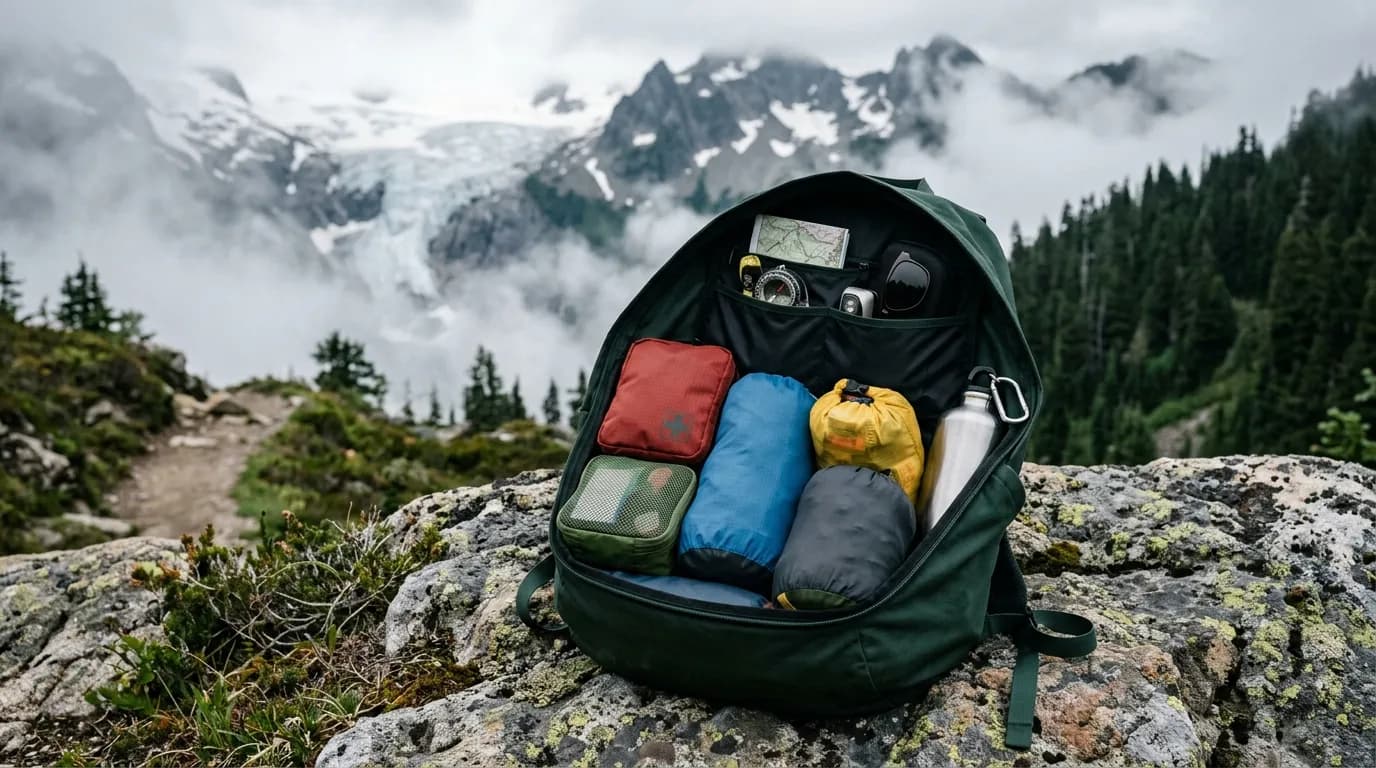
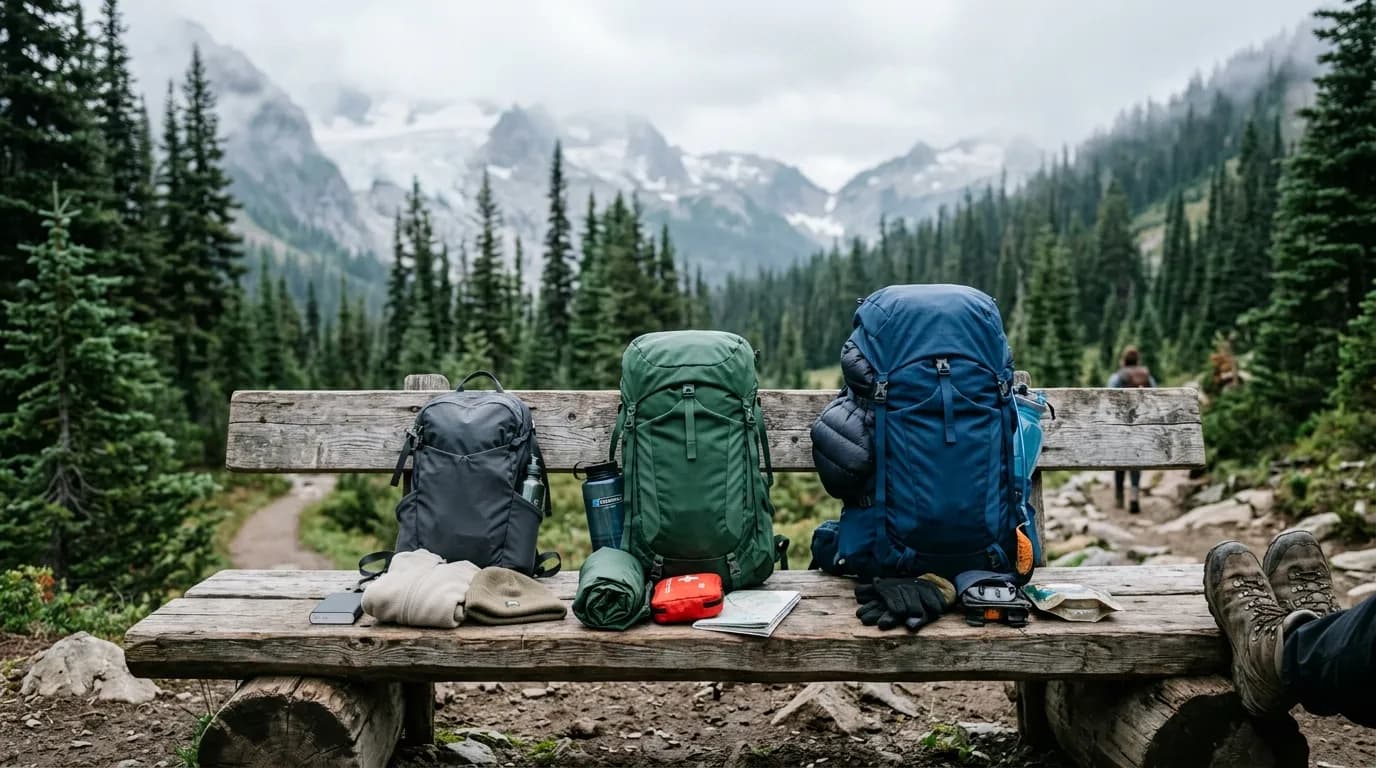
- Daypack sized to your torso: A poor rental pack teaches frustration, not preference. Learn sizing, then buy one you adjust at home.
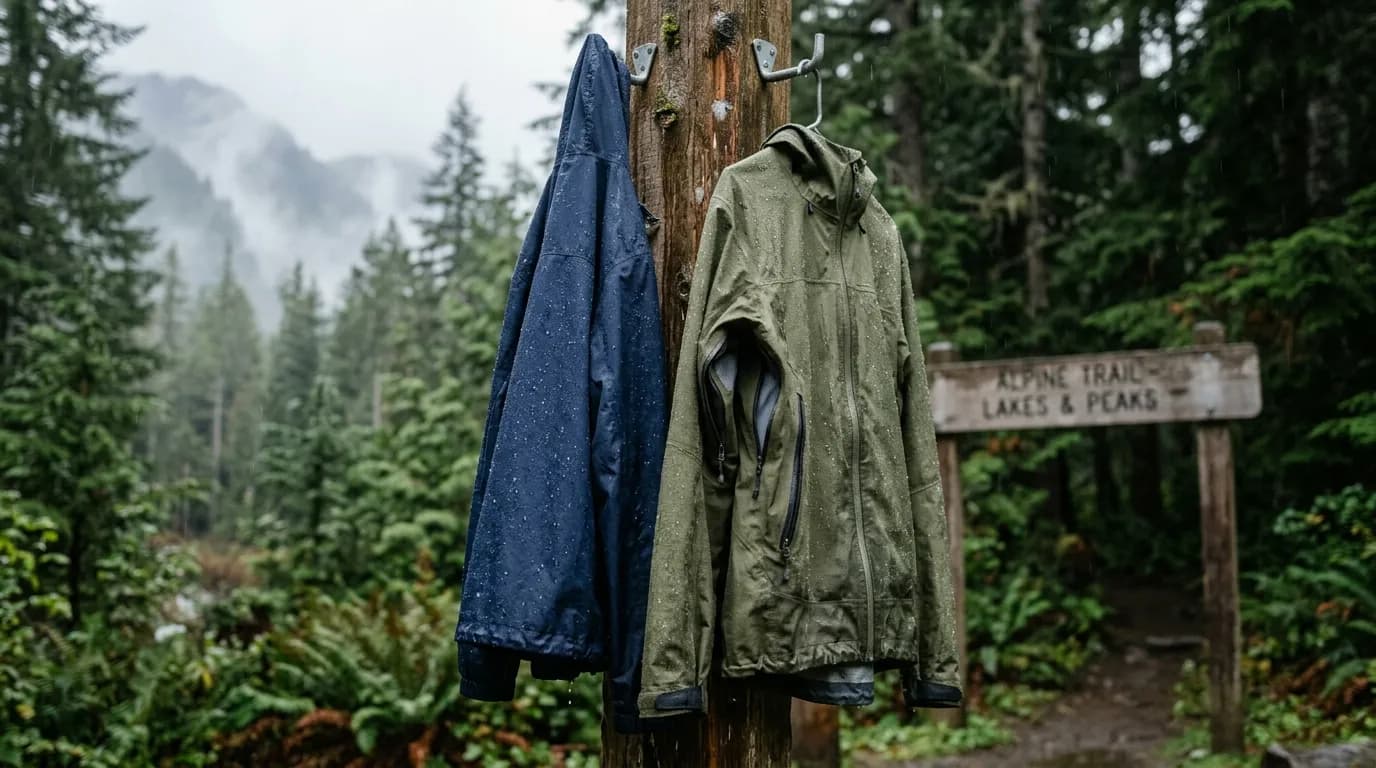
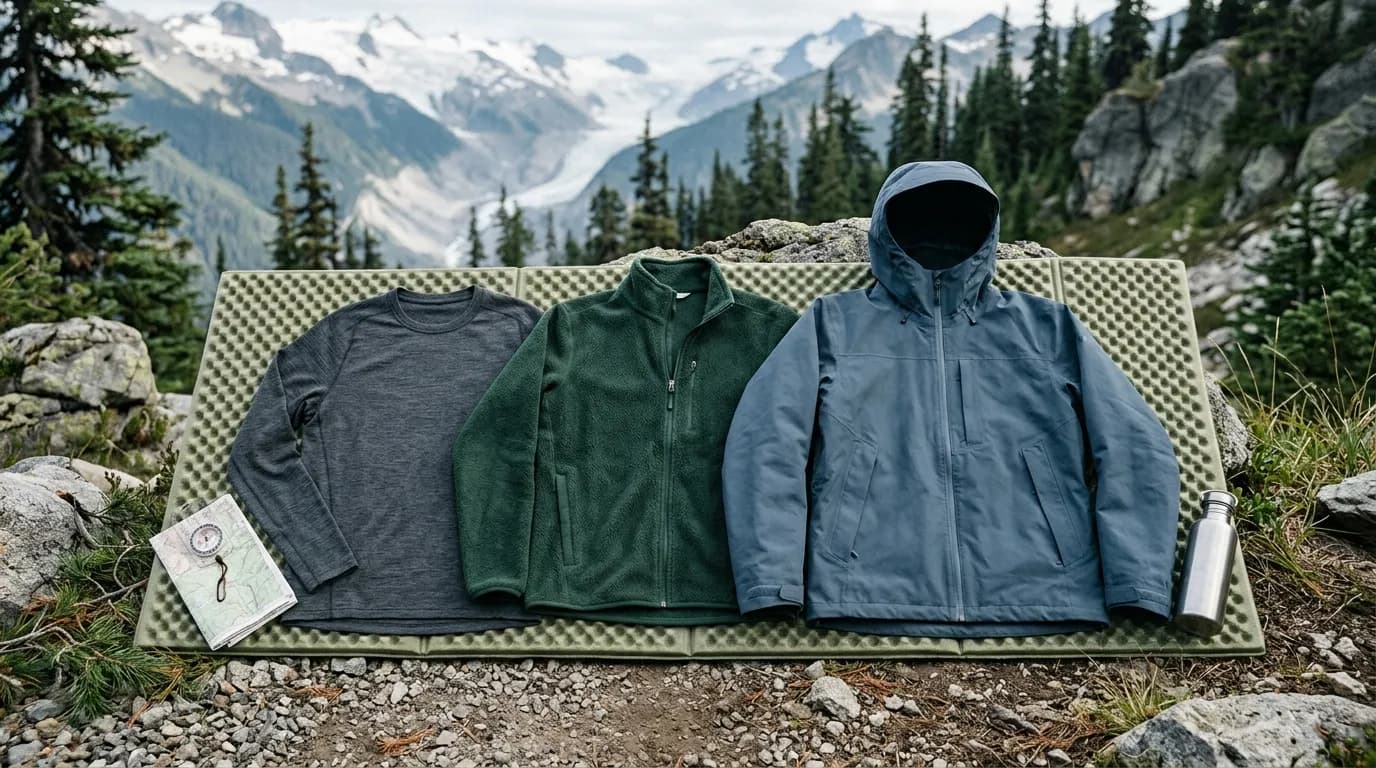
- Basic rain protection appropriate to climate: You need reliability you can inspect. See our rain jacket comparison when choosing budget vs premium.
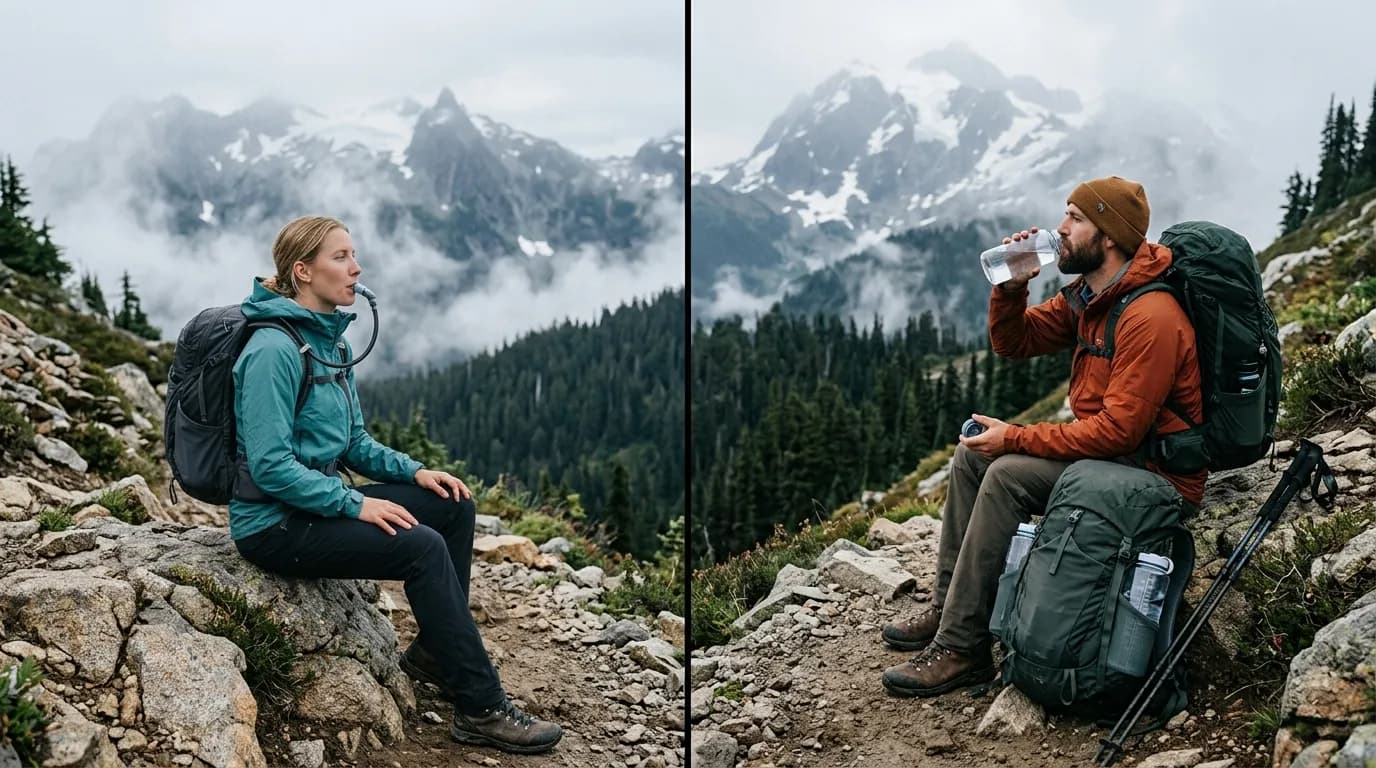
- Water bottles or hydration you will clean weekly: Hygiene and familiarity favor ownership.
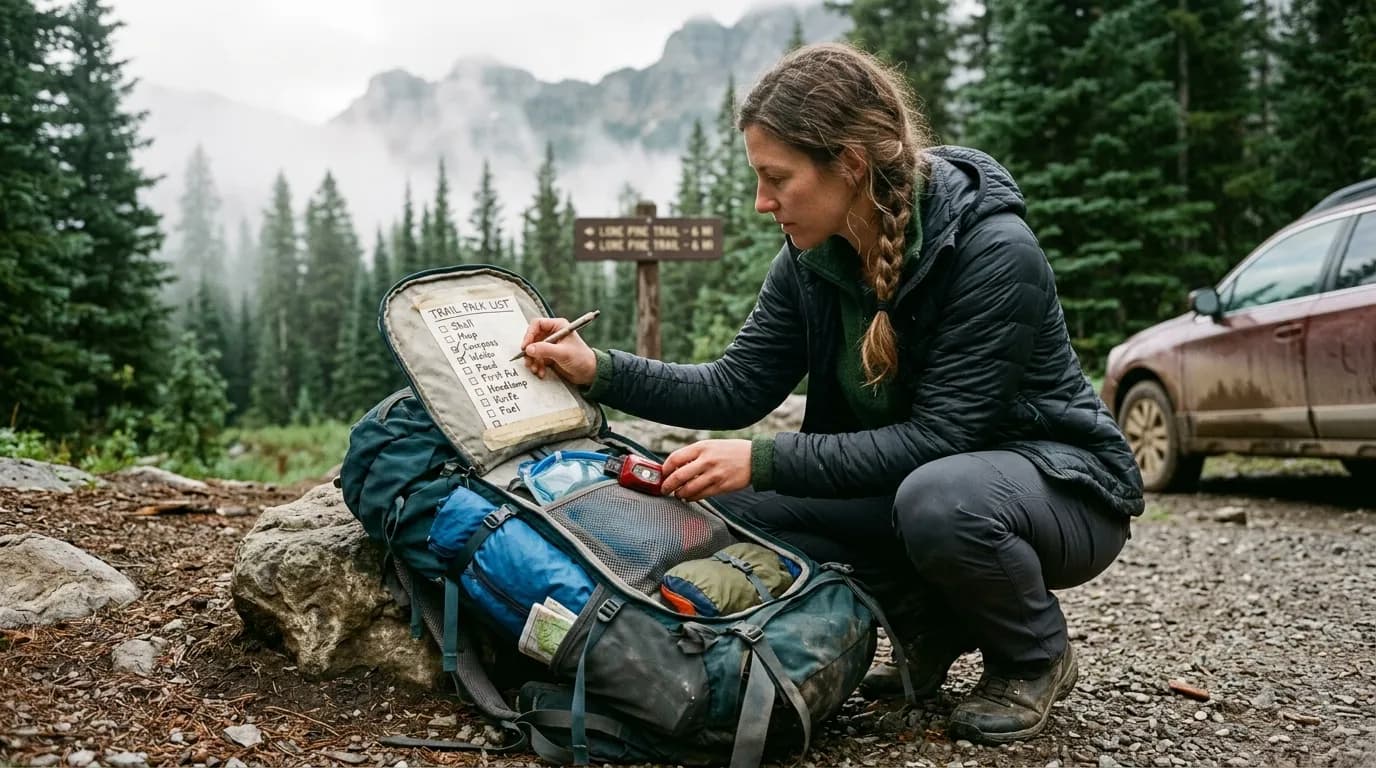
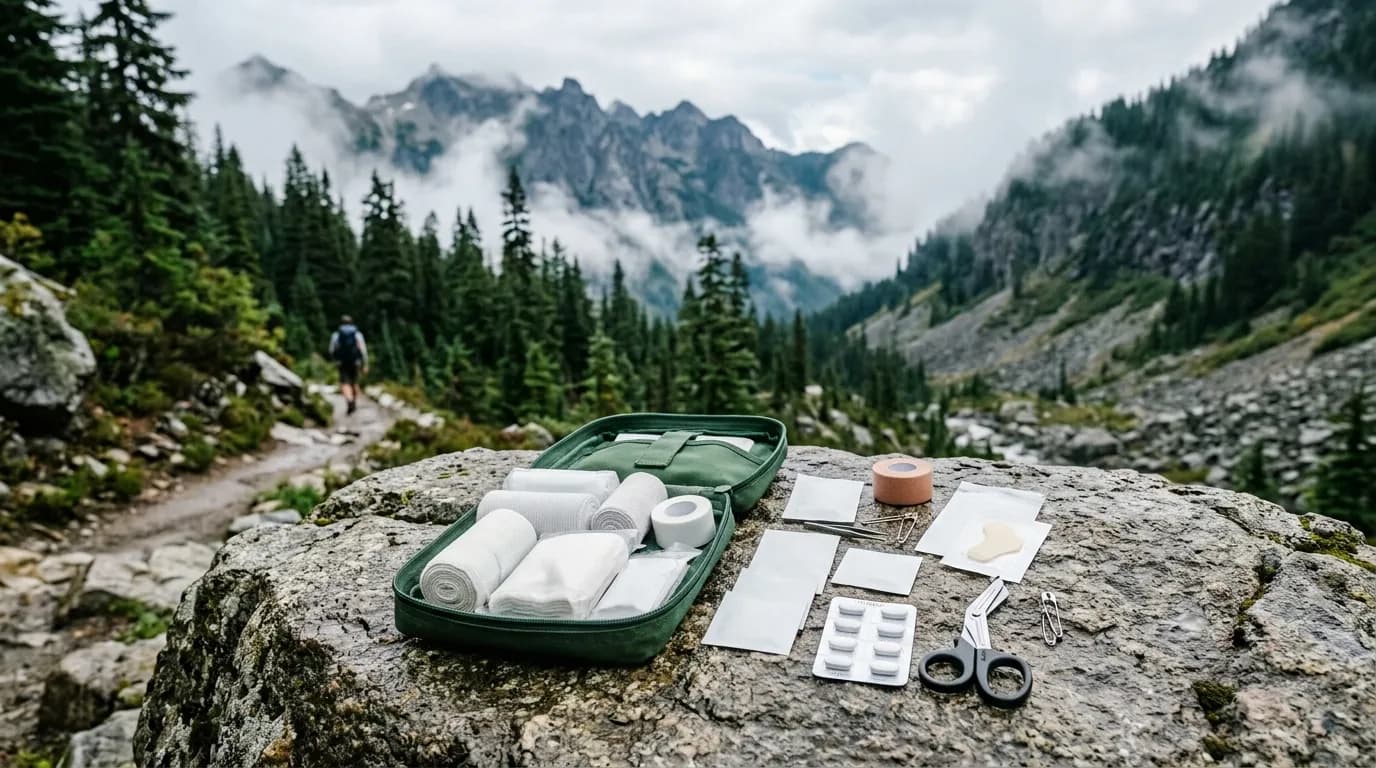
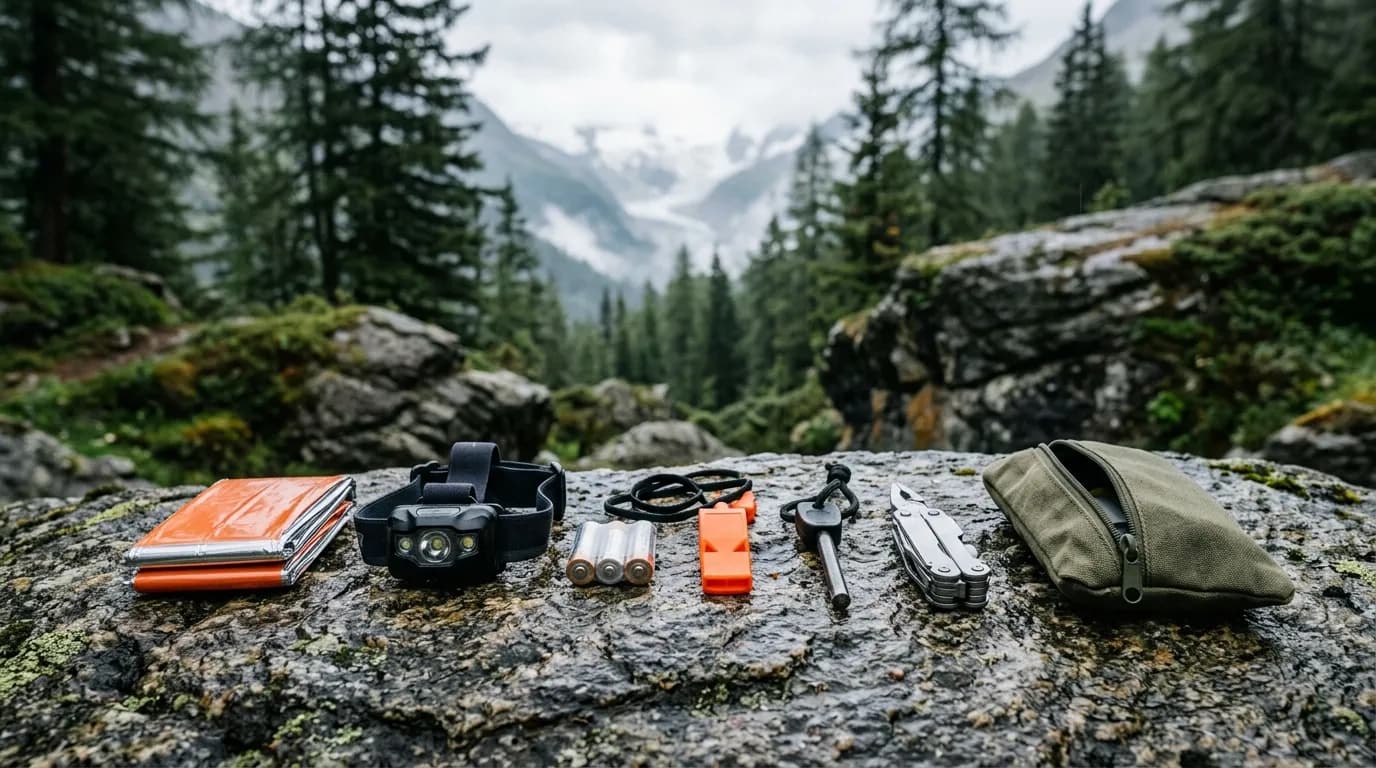
- First-aid mini kit: Cheap, personal, restocked at home. Not worth renting.
These buys do not need to be premium. They need to be correct enough that you will actually hike. A $60 pack that fits beats a $200 pack that hangs wrong, whether rented or bought.
What often makes sense to rent or borrow first
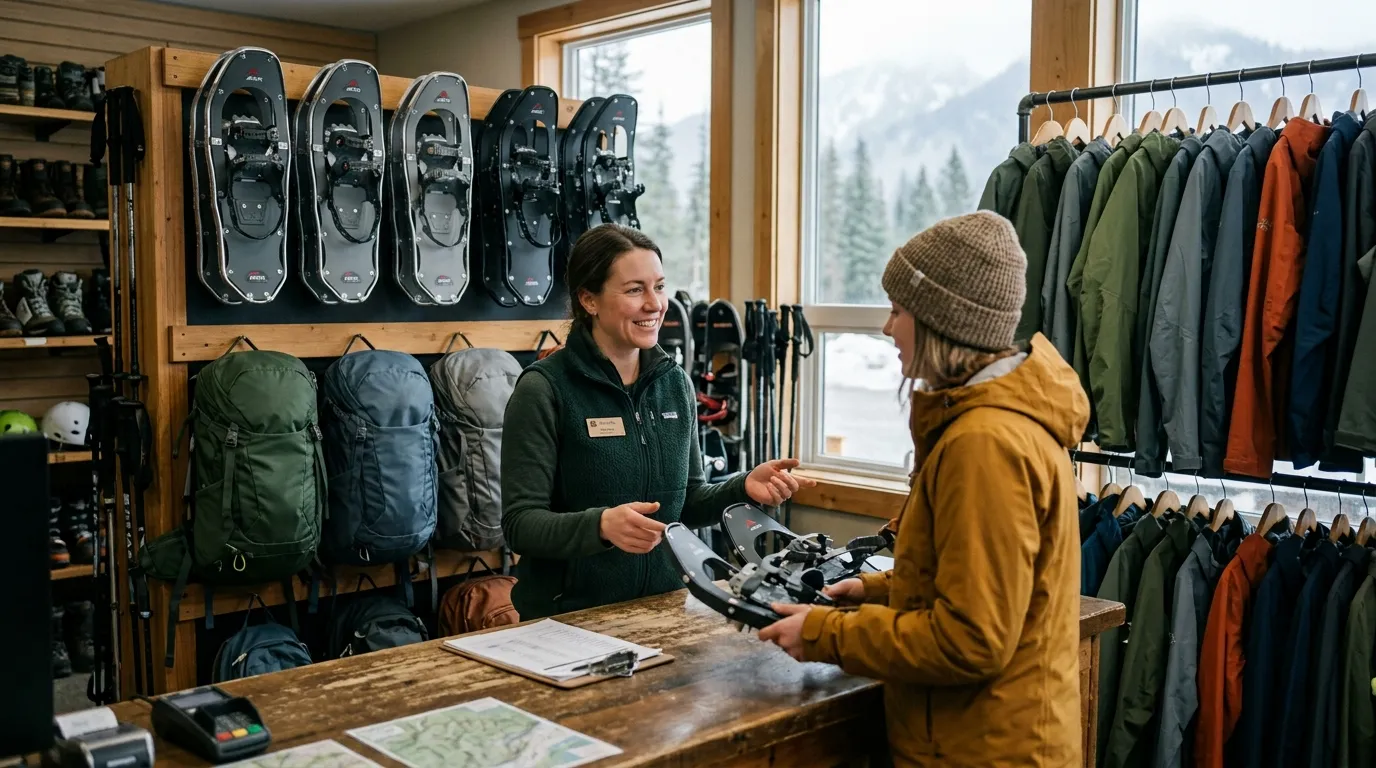
- Specialized winter gear for a single trip: Microspikes, snowshoes, heavy mitts if you rarely see snow at home.
- Gear for an unusual terrain test: Via ferrata kit, crampons for an intro course, packraft day if you are exploring a new sport.
- High-end layers you want to compare: Some shops rent premium shells for a weekend so you feel breathability differences before spending.
- Group or family extras: Child carrier backpacks for one vacation week.
- Backup for a trip while your owned gear is repaired: Practical, not beginner-specific, but worth knowing.
Borrowing from trusted friends adds social learning if they will show you how items pack and adjust. Always return gear cleaner than you received it. Replace anything you damage. Friendship scales better than rental contracts.
Cost math without spreadsheet obsession
Use a simple break-even question: if I rent this three times at the local shop price, could I buy a decent used or budget new version instead? Trekking poles often break even fast for regular hikers. Snowshoes break even only if you commit to multiple winter seasons.
Include hidden costs: rental pickup time, deposit holds, late fees, gas to the shop, and accessories rentals do not include—gaiters, proper gloves, compatible boots. Buying once poorly is expensive; renting repeatedly without learning is also expensive.
Used markets change the curve. Quality used packs and shells from reputable brands can beat renting for a month of discovery. Inspect seams, zippers, and waterproofing carefully. Beginners benefit from shop staff or experienced friends when buying used first time.
Fit and hygiene realities
Rental footwear is the hardest sell. Even with liner socks, fit varies and prior wear shapes the boot. For beginners, rental boots are acceptable for a guided intro day on flat terrain; they are weak for multi-day break-in stories. Rental packs are easier if adjusted with staff help. Rental clothing layers work if laundered professionally; still inspect for delaminating rainwear.
Hygiene matters psychologically and practically. Helmets, hats, and socks are buy-or-bring-your-own territory for most people. Hard-shell items like packs and poles are easier shared.
Where to rent and what to ask
Outdoor shops, university outdoor programs, park-adjacent outfitters, and guided trip companies sometimes rent gear. Ask:
- What is included (poles, bags, repair kit)?
- What happens if weather destroys a rental shell?
- Can I adjust pack torso length with staff?
- Are reservations required on holiday weekends?
- What is the late return policy if trail time runs long?
Take photos of item condition at pickup. Note pre-existing damage. Saves awkward deposits disputes.
Guided trips vs DIY renting
Intro guided hikes sometimes include gear in the fee—a low-stress first exposure. Compare that all-in cost to self-renting plus navigation responsibility. Guides do not replace learning to pack for yourself, but they can defer purchases until you know you want the habit.
DIY renting suits independent beginners who already have basics—shoes, pack, water—and need one specialty item for a route.
Building a staged buy list
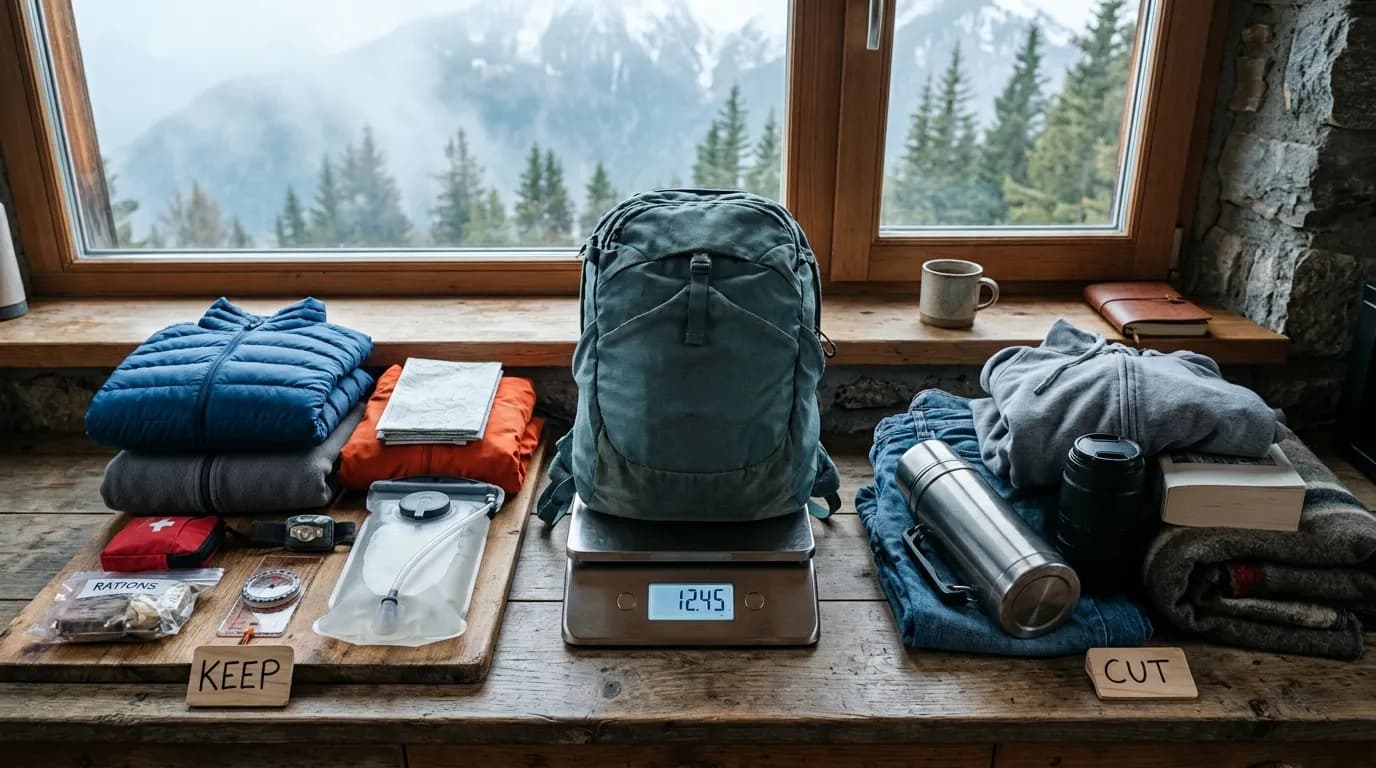
Month 1–2: shoes, socks, small pack, water, basic shell if needed. Month 3–4: trekking poles if knees or terrain warrant, better sun layers, headlamp. Month 5–6: insulation upgrade, nicer daypack if first was compromise, optional hip belt accessories. Let mileage drive upgrades, not marketing seasons.
Keep a “want” list with prices. When an item appears on three consecutive trips as a pain point, promote it to “buy.” When it appears once because Instagram showed it, leave it.
Common beginner mistakes
- Renting cheap when buying used is smarter long-term: Especially for poles and packs.
- Buying premium everything before mile one: You do not yet know preferences.
- Renting ill-fitting boots for a hard hike: Saves purchase, costs feet.
- Ignoring return windows: Buy from places that allow returns after a home fit check.
- Equating gear acquisition with skill: Gear supports skill; it does not create it.
- Skipping trials on big trip only: Test rented or new gear on local walks first.
- Forgetting insurance on expensive rentals: Read deposit terms.
Another mistake is shame about renting. Nobody on the trail knows whether your poles cost $20 or borrowed. Competence shows in pacing and preparation, not logo density.
Environmental and community angle
Renting and buying used reduces manufacturing churn for items you use twice a year. That aligns with going light in a broader sense: fewer idle objects in closets, more shared community gear pools where they exist. Support local shops that maintain rental fleets well; they keep beginners safer with adjusted packs and honest route advice.
Starter plan: first three months
- Month 1: Buy fit-critical basics: footwear, socks, hydration, small pack after sizing guide reading. Hike local trails weekly.
- Month 2: Add owned rain layer and headlamp. Rent or borrow poles once on a steep trail to test.
- Month 3: Review pain points. Buy one upgrade tied to real use. Rent specialty item only if a specific trip demands it.
Revisit the plan after your first seasonal weather swing. Summer buyers often discover shoulder-season layer gaps in autumn.
Sample break-even scenarios
Numbers vary by region, but the logic repeats. If trekking pole rental costs fifteen dollars per weekend and you hike steep trails twice a month, six outings approach ninety dollars—enough for a solid used pair that fits your height. If snowshoe rental is twenty-five dollars per day and you snowshoe four days each winter, buying used after two seasons can make sense for regular users; occasional visitors should keep renting.
Pack rental math hurts when weekly hikes enter the picture. A thirty-dollar weekend pack rental times four trips exceeds many entry-level daypacks that fit your torso correctly. Boots are the inverse: renting twice for serious mileage rarely beats buying properly fitted footwear and breaking it in on your schedule. Write your own break-even lines using local shop quotes instead of internet averages.
Include travel cost and time when renting requires a detour. A “cheap” rental across town on a Saturday morning can cost an hour you would rather spend on trail—and gas that narrows the savings gap. Buying used from a shop you already visit for maps and advice sometimes beats mail-order bargains that skip the fit conversation entirely.
Try before you buy: structured trials
Rent or borrow with a written question. Poles: do my knees feel less taxed on descents? Pack: does the hip belt sit without hot spots after ninety minutes? Shell: does this breathe enough on climbs in my humidity? After the trial, answer yes, no, or needs-more-data. Promote to buy only on yes after repeated confirmation. “Needs-more-data” gets one more structured outing, not an impulse purchase.
Keep trial notes beside your want list. Over six months, patterns beat hype. You may discover you never want poles on forest loops but always want them on scree descents—that justifies owning a pair without declaring poles universal. Trials turn rent-vs-buy from philosophy into field notes.
FAQ
Is renting gear good for total beginners?
Yes for specialty items and intro experiences. No as a long-term substitute for well-fitted footwear and a daypack you know. Combine both strategically.
Should I rent a backpack for my first hike?
If you have zero gear and a guided flat intro day, maybe. If you plan weekly day hikes, buying a correctly sized modest pack is usually better within two weeks of starting.
When does renting cost more than buying?
When rental fees times expected uses exceed used gear price, especially for poles, snowshoes you use multiple winters, and packs if you hike every weekend.
Can I rent gear online shipped to me?
Some services exist. Factor shipping time, fit uncertainty, and return logistics. Local shop fitting beats mail for first packs and boots.
What should I never rent?
Personal medical items, underwear-layer socks, and anything requiring precise foot mold unless it is a supervised intro program with new liners.
How do I avoid buying junk while learning?
Buy simple, repairable items from reputable lines after reading one focused guide per category. Avoid multi-tool gimmick bundles marketed to beginners.
Related reading
When you buy weather protection, make an informed tier choice: cheap vs premium rain jackets for hiking. When you buy a pack, size it deliberately: daypack size guide for 15, 20, and 30 liter packs. Renting borrows time; buying builds habit—use each where it actually helps you walk more.
Beginners do not need a perfect closet. They need enough right gear to learn safely, plus a plan to upgrade when experience whispers instead of when ads shout. Rent the edge cases. Buy the daily companions. Hike between decisions so your wallet and your feet share the same facts.
Daily Peaks favors fewer, better choices over accumulation. The rent vs buy question is one pass in that filter. Answer it with mileage, climate, and comfort—not with fear of looking unprepared and not with gear hoarding cosplay.
Your first year should end with stories about trails, not about returns. Stage purchases, borrow boldly for experiments, and keep a short list of what actually mattered on each trip. That list becomes your personal gear doctrine—lighter than any brand’s.
Start walking. Let the miles tell you what to own.
— Daily Peaks
Track rental receipts for one season if you are data-minded; the total often surprises and clarifies the next purchase. When buying, favor items shops can repair—zippers, buckles, resoleable soles—over disposable fashion outdoor pieces.
Loaner gear from friends comes with relationship tax; treat borrowed items better than your own and return them cleaner than you received them. Document serial numbers of bought gear for insurance; renters should photograph condition tags at handoff.
Some towns run outdoor co-ops or gear libraries where membership beats owning snowshoes or family carriers you need twice a year. Sell beginner compromises quickly while resale value holds, then fund the second purchase that matches learned patterns instead of letting mistake gear clutter your entry bench.
Beginner budget is finite. Spend where body contact and weather safety intersect; rent the rest until your patterns stabilize across three seasons of local hiking. Trail first, cart second—one intentional rental experiment per month is enough to learn without turning gear into a hobby separate from walking.