Weekend trail trips fail in the gaps — forgotten trailhead time, lunch that stretched, parking-lot plans without a turnaround. An itinerary answers five questions before cell service fades: where, when, what if late, who decides, how we communicate changes. Built for two-day car-at-trailhead or simple camp weekends.
Groups carry mental plans that differ slightly between four people; small differences become junction arguments. Writing the plan — even a notes-app shared chat — forces alignment. You need checkpoints, buffers, and bailouts, not minute-by-minute fantasy.
For route and permit framing see How to Plan a Weekend Trail Trip. Assign names via Group Hike Roles So Nobody Gets Left Behind.
What the Itinerary Contains
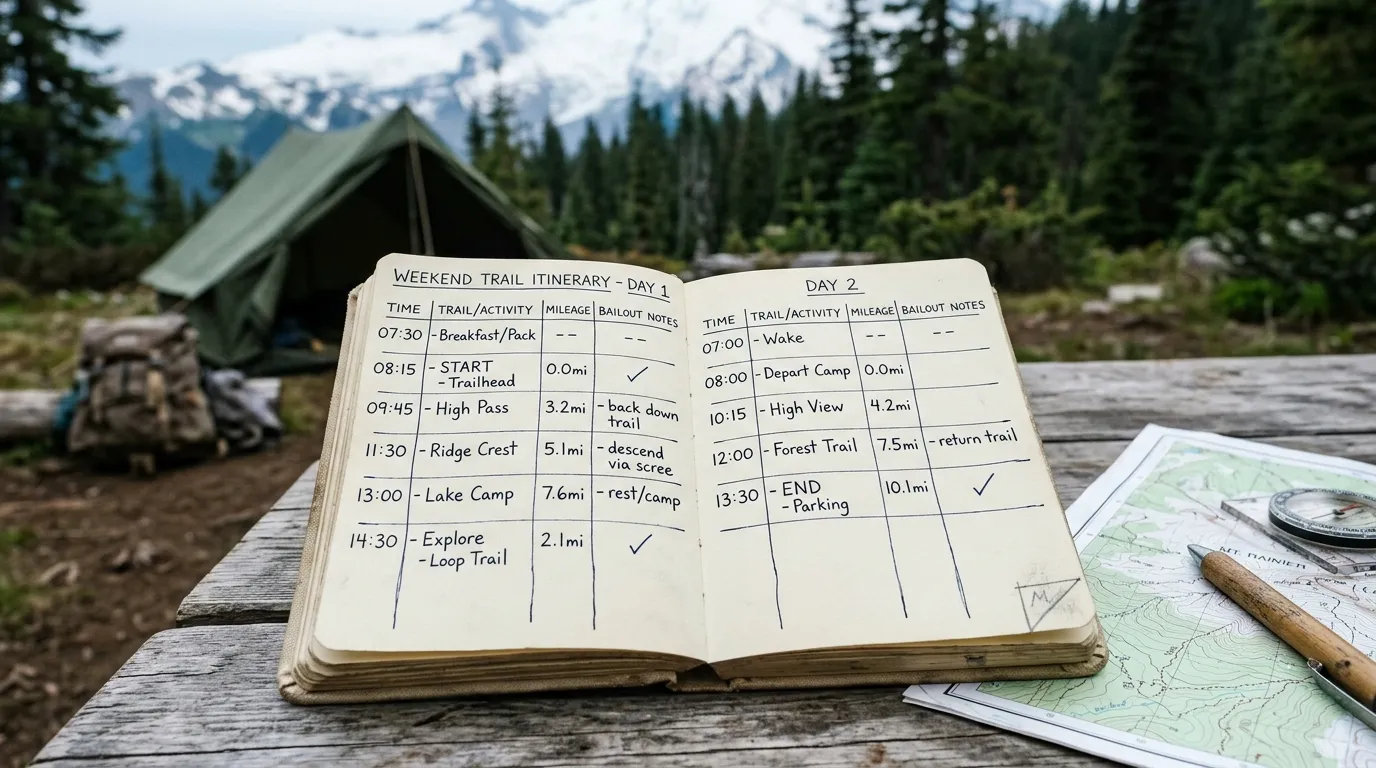
Block one: pre-trail meet, drive, permits, gear. Block two: day one segments, water, lunch, summit target. Block three: overnight camp, water, storage, evening check-in. Block four: day two with fatigue stacked. Block five: exit time, traffic buffer, off-trail message.
Each block gets owner and backup — confirmation, not dictatorship. Backup covers bathroom breaks and tired owners.
Honest Time Estimates
Start with guidebook time plus your group's historical factor. Add buffers: thirty minutes trailhead, fifteen per major photo stop, ten per thousand feet if anyone is new to gain. Shoulder season adds clothing stops — count them.
Use windows, not pins: summit between 11:30 and 12:30 survives reality. Pair with consequence: if not at junction by 1 p.m., short loop back.
Fill-In Template
Trip / dates / group / emergency contact notified. Trailhead and parking notes. Day 1 and day 2 miles and gain.
Day 1
- Depart cars; hard turnaround if not at summit by ___
- Checkpoints with target times
- Lunch window and location
- Camp or car return target
- Bailout A and B with junction names
Overnight
- Camp site; water source and treatment
- Weather check time and owner
- Evening message to off-trail contact
Day 2
- Depart camp; hard car exit by ___
- Checkpoints and last water
- Final bailout before point of no return
- Off-trail all-clear message deadline
Roles
- Navigator, pace lead, sweep, first aid/comms, water/food lead — names filled in
Checkpoints vs Turnarounds
Checkpoints inform; turnarounds decide with default action. "Turn if not at mile five by 2 p.m." beats "turn if someone feels bad." Pair big days with attractive shorter prizes so turning back still feels complete.
Starter Plan: Thirty-Minute Itinerary Build
- Write miles and gain per day from a trusted map.
- Add thirty percent to app time for mixed groups.
- Mark water, lunch, last reliable water day two.
- One hard turnaround per day with named bailout.
- Assign roles; share doc before anyone drives.
Common Mistakes
- No written plan — assumed shared knowledge.
- Exit time without buffers — knees and traffic exist.
- Day two copies day one pace — schedule easier or start earlier.
- Bailouts not on anyone's map — fiction until marked.
- No off-trail message plan — silence becomes guessing.
Weather Flex
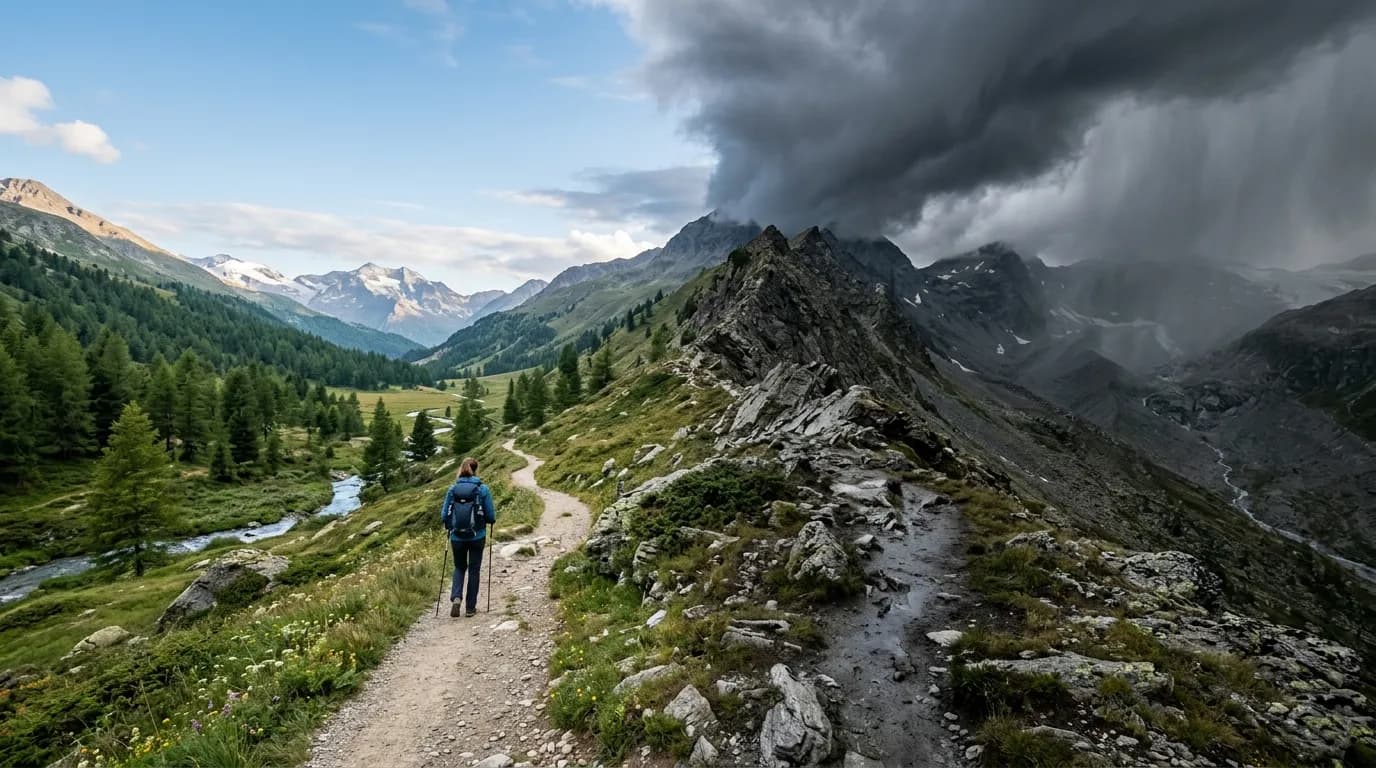
Build movable weather windows rather than pretending the whole day is fungible. Thunder risk after 1 p.m. makes morning start structural, not optional. Downgrade one variable at a time — distance, elevation, or exposure — not all three.
Frequently Asked Questions
How detailed for casual friends?
Minimum: trail, start, turnaround, bailout, who texts home — five lines on one phone note..
Live location instead?
Location helps after; it does not replace pre-trail decision points.. Use both.
Faster hiker in the group?
Leapfrog with rendezvous times on the itinerary — planned separation, not drift..
Camp arrival estimate?
Work back from sunset; add thirty minutes first-time camp friction..
Printed copy?
One bagged paper copy plus phone photos beats dead battery alone..
Educational planning guidance — not a substitute for official regulations or rescue protocols.
Related Guides
Write bailout junctions in plain language on the map margin: "If late, left at fork to parking via blue trail, 3.2 mi." Under stress, clever names disappear; distances remain.
Car-to-car time includes the forgotten cooler stop and the slow driver on the forest road. Build forty-five minutes of friction before boots hit dirt.
Day two starts slower. If Saturday ended at dusk, Sunday's itinerary should not copy Saturday's pace — it should copy Saturday's elapsed time with ten percent added.
Off-trail contacts need one sentence: "Text me by 7 p.m. Sunday; if nothing by 8, here is who to call." Without that, your itinerary is private fiction.
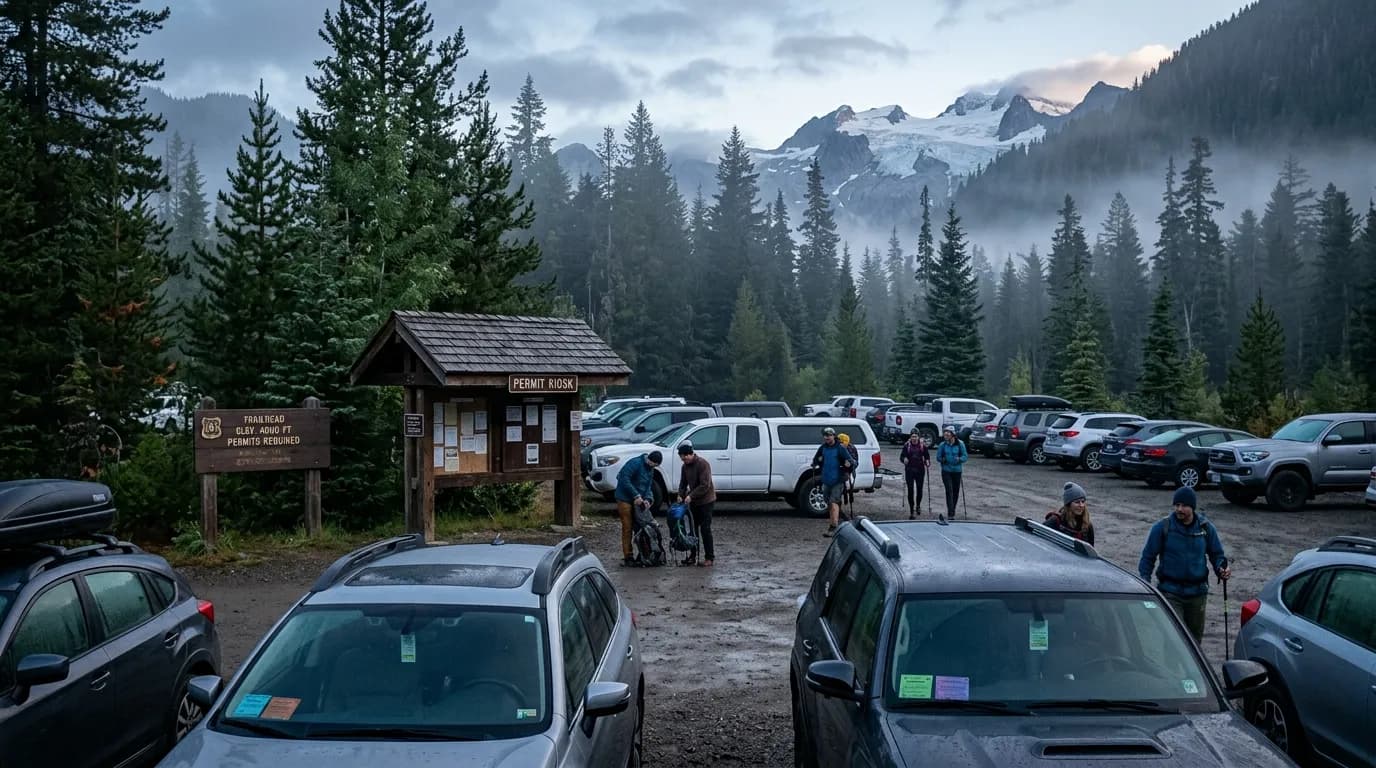
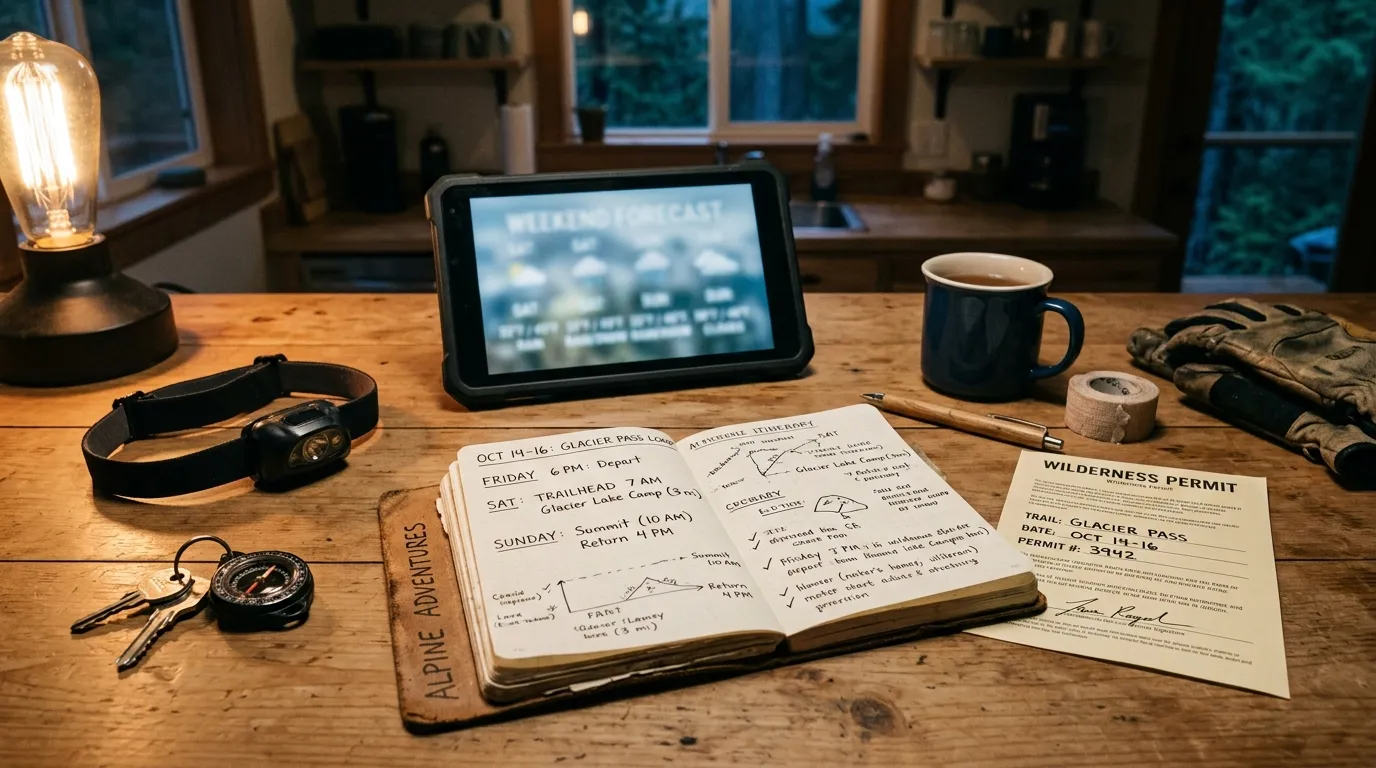
Permit checkpoints belong on the itinerary as hard blocks. Ranger stations close; kiosks run out of envelopes. "Buy permit" is a task with an owner and a deadline.
Weekend trail culture runs on small repeatable decisions: what time you leave the trailhead, how you split snacks, whether you name a turnaround before the first viewpoint. Those decisions compound across two days more than any single gear upgrade. Write them down once and your next trip starts calmer.
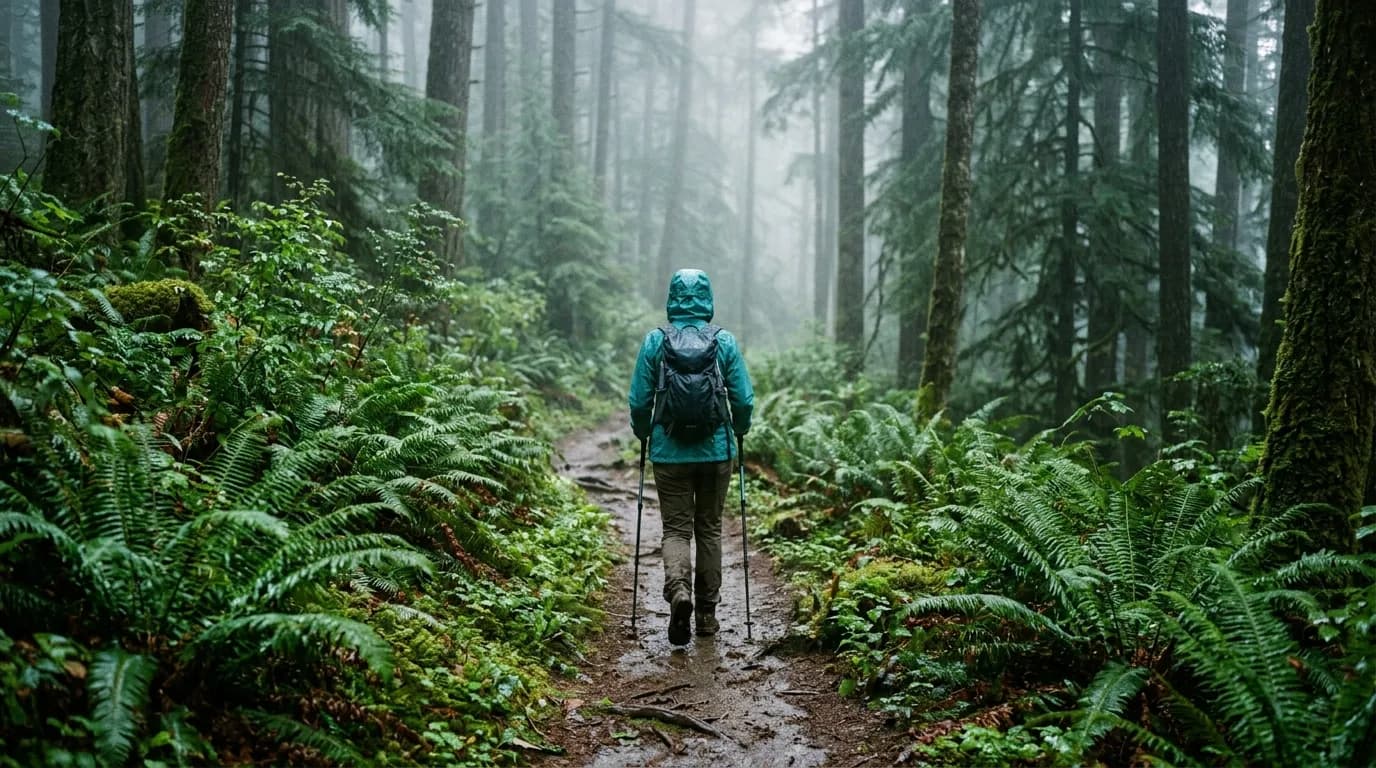
Trail time differs from clock time in ways maps hide. A flat six miles with social pacing can take as long as a steep four with a fit solo hiker. Build your plan around hours on feet and elevation change, then adjust for group size and photo stops. Distance alone misleads packing and food math.
Communication beats equipment in most weekend friction stories. Saying "I need a layer stop" early prevents the cranky shuffle later. Saying "I think we are behind the itinerary" at lunch prevents the doomed push for a summit at dusk. Polite clarity is a safety skill.
Water planning deserves its own line on every itinerary. Mark last reliable sources on the map. Note whether streams are seasonal. Running dry on mile eight of ten turns a good day into a cautious retreat even when legs feel fine.
Food fatigue is real on long days — the bar you loved at mile two tastes like cardboard at mile seven. Pack variety: something chewy, something salty, something with quick sugar. Eat before you are empty; bonking makes every downhill feel steeper.
Foot care is recovery in disguise. Trim nails before multi-day weekends. Address hot spots when they tingle, not when they blister. Dry socks in the car for day two cost little space and save entire trips.
Weather windows on shoulder weekends are narrow. Morning starts are not heroic; they are arithmetic. Afternoon storms on ridges do not negotiate because you slept in. Align leave times with forecast trends, not with brunch preferences.
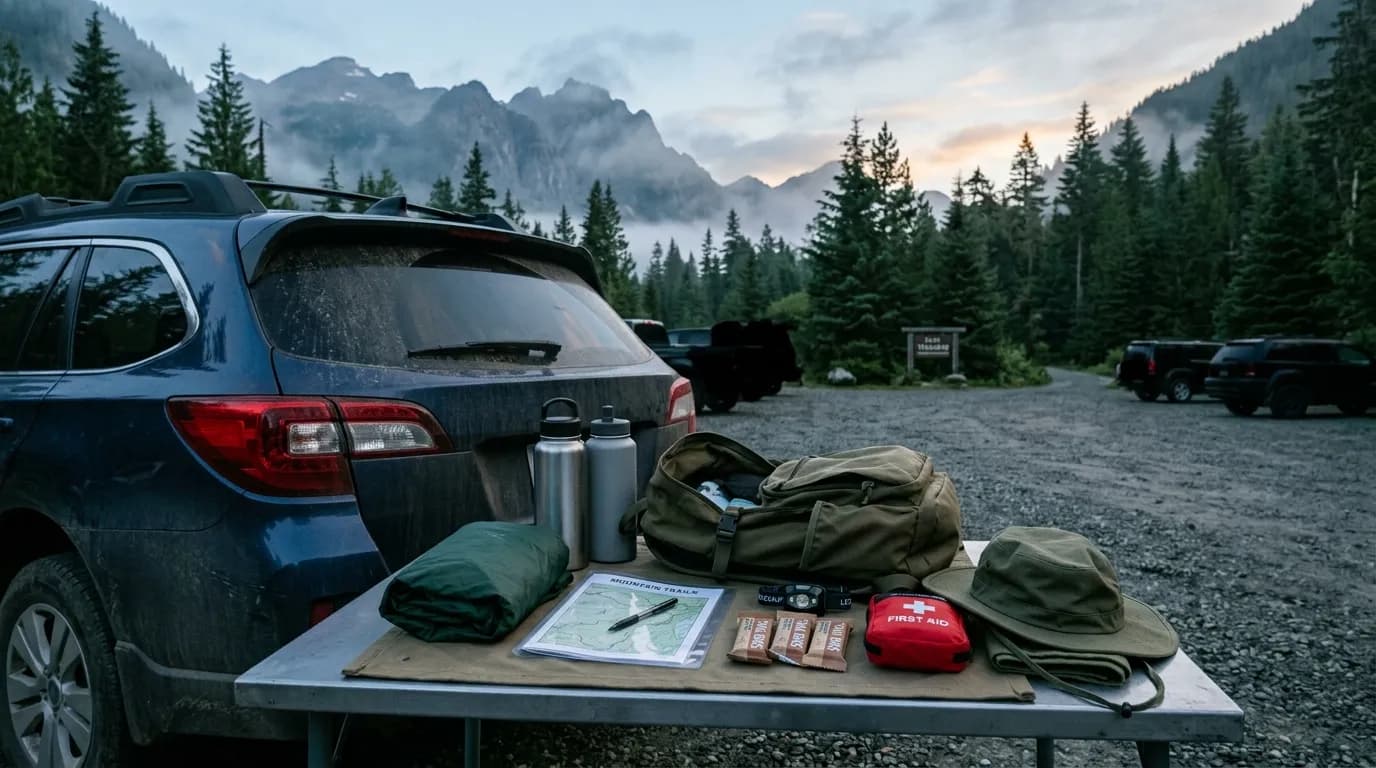
Parking logistics belong in planning. Popular trailheads fill by eight on fair weekends. Backup lots, permit kiosks, and pit toilets affect real departure times. Add those minutes before you promise someone you will be home for dinner.
Leave No Trace applies to group behavior too: yield on narrow trails, keep voices low near camps, pack out orange peels and apple cores. Weekend crowds test trail ethics; your group can either add stress or model calm trail citizenship.
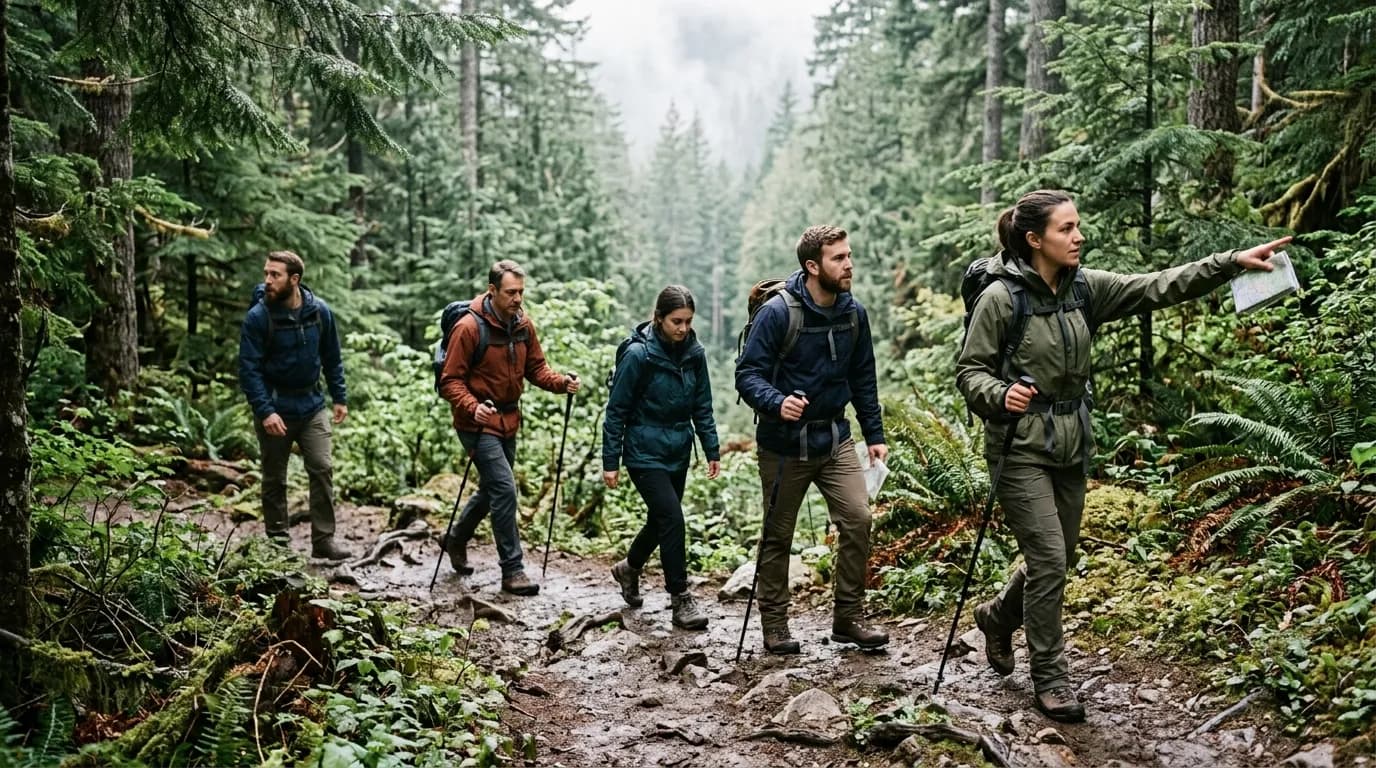
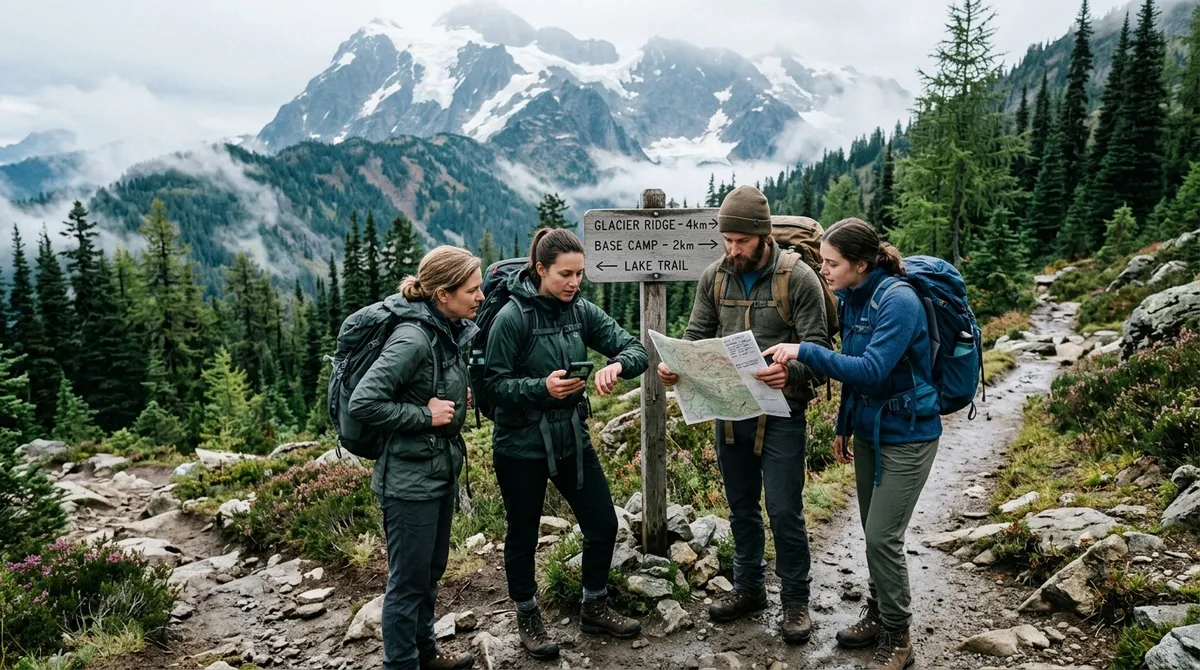
Navigation confidence grows when everyone glances at the map, not only the designated navigator. Rotate who reads the junction sign aloud. Shared awareness prevents one tired person from missing a critical fork at dusk.
Emergency plans need not be dramatic. Know the nearest road crossing, cell pockets if any, and who calls home if you are late. A laminated card in the pack beats a heroic story about improvising under stress.
Fitness varies within friend groups. Weekend trips survive when pace matches sustainable effort for the whole crew, not the person who ran a 5K last month. Pride is heavy; slow is smooth, smooth is fast over ten miles.
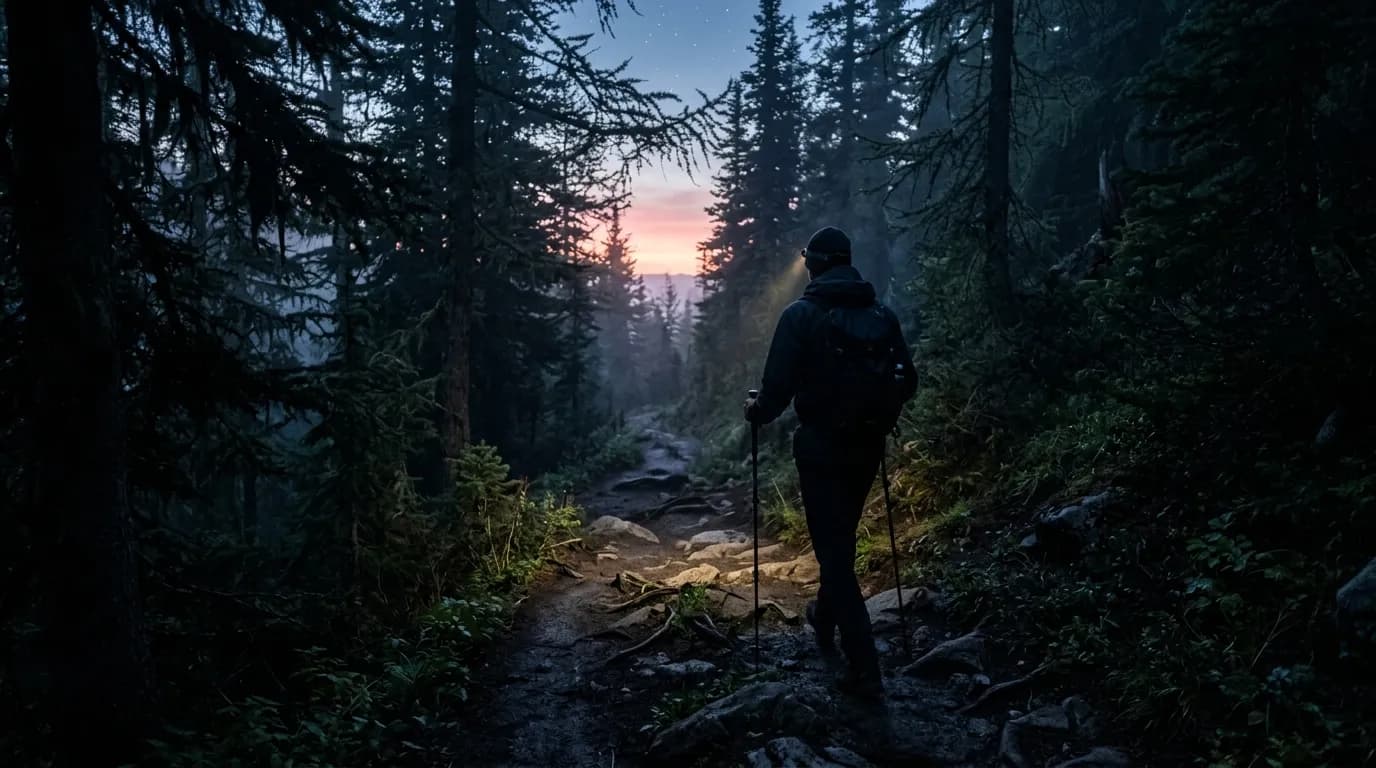
Sleep debt from Friday night drives affects Saturday more than people admit. If the group stayed up late, build a later but shorter route instead of pretending everyone is fresh at 5 a.m. Honest starts beat miserable slogs.
Gear familiarity matters: new boots, new pack, new rain jacket — test on shorter outings before a ten-mile weekend centerpiece. Unknown friction points appear around hour four, exactly when you have no spare attention.
Sun exposure accumulates on open ridges even in cool air. Burned necks and squint headaches degrade decisions on descent. Sunscreen, lips, and eyes are not summer affectations; they are ten-mile essentials.
Stream crossings slow groups disproportionately. Plan extra time if the route crosses multiple creeks in spring runoff. Unbuckle hip belts before deep crossings, face upstream, use poles — and count that teaching time in the itinerary.
Dogs, kids, and photographers change pace math. If your group includes any of the three, widen time buffers and shorten distance before you widen ambition. Successful weekends repeat; overreach once and people decline the next invite.
Post-trip review takes ten minutes in the car: what worked, what we carry next time, what we leave home. That review is how casual hikers become reliable partners without formal training.
Altitude affects appetite and hydration even below mountaineering heights. If the weekend includes new elevation for your crew, add snacks and water capacity beyond flatland habits.
Trail maintenance changes routes. Downed trees, washed bridges, and seasonal closures appear on social feeds before official pages update. Check recent trip reports the night before and mark alternatives on the map.
Write bailout junctions in plain language on the map margin: "If late, left at fork to parking via blue trail, 3.2 mi." Under stress, clever names disappear; distances remain.
Car-to-car time includes the forgotten cooler stop and the slow driver on the forest road. Build forty-five minutes of friction before boots hit dirt.
Day two starts slower. If Saturday ended at dusk, Sunday's itinerary should not copy Saturday's pace — it should copy Saturday's elapsed time with ten percent added.
Off-trail contacts need one sentence: "Text me by 7 p.m. Sunday; if nothing by 8, here is who to call." Without that, your itinerary is private fiction.
Permit checkpoints belong on the itinerary as hard blocks. Ranger stations close; kiosks run out of envelopes. "Buy permit" is a task with an owner and a deadline.
Weekend trail culture runs on small repeatable decisions: what time you leave the trailhead, how you split snacks, whether you name a turnaround before the first viewpoint. Those decisions compound across two days more than any single gear upgrade. Write them down once and your next trip starts calmer.
Trail time differs from clock time in ways maps hide. A flat six miles with social pacing can take as long as a steep four with a fit solo hiker. Build your plan around hours on feet and elevation change, then adjust for group size and photo stops. Distance alone misleads packing and food math.
Communication beats equipment in most weekend friction stories. Saying "I need a layer stop" early prevents the cranky shuffle later. Saying "I think we are behind the itinerary" at lunch prevents the doomed push for a summit at dusk. Polite clarity is a safety skill.
Water planning deserves its own line on every itinerary. Mark last reliable sources on the map. Note whether streams are seasonal. Running dry on mile eight of ten turns a good day into a cautious retreat even when legs feel fine.
Food fatigue is real on long days — the bar you loved at mile two tastes like cardboard at mile seven. Pack variety: something chewy, something salty, something with quick sugar. Eat before you are empty; bonking makes every downhill feel steeper.
Foot care is recovery in disguise. Trim nails before multi-day weekends. Address hot spots when they tingle, not when they blister. Dry socks in the car for day two cost little space and save entire trips.
Weather windows on shoulder weekends are narrow. Morning starts are not heroic; they are arithmetic. Afternoon storms on ridges do not negotiate because you slept in. Align leave times with forecast trends, not with brunch preferences.
Parking logistics belong in planning. Popular trailheads fill by eight on fair weekends. Backup lots, permit kiosks, and pit toilets affect real departure times. Add those minutes before you promise someone you will be home for dinner.
Leave No Trace applies to group behavior too: yield on narrow trails, keep voices low near camps, pack out orange peels and apple cores. Weekend crowds test trail ethics; your group can either add stress or model calm trail citizenship.
Navigation confidence grows when everyone glances at the map, not only the designated navigator. Rotate who reads the junction sign aloud. Shared awareness prevents one tired person from missing a critical fork at dusk.
Emergency plans need not be dramatic. Know the nearest road crossing, cell pockets if any, and who calls home if you are late. A laminated card in the pack beats a heroic story about improvising under stress.