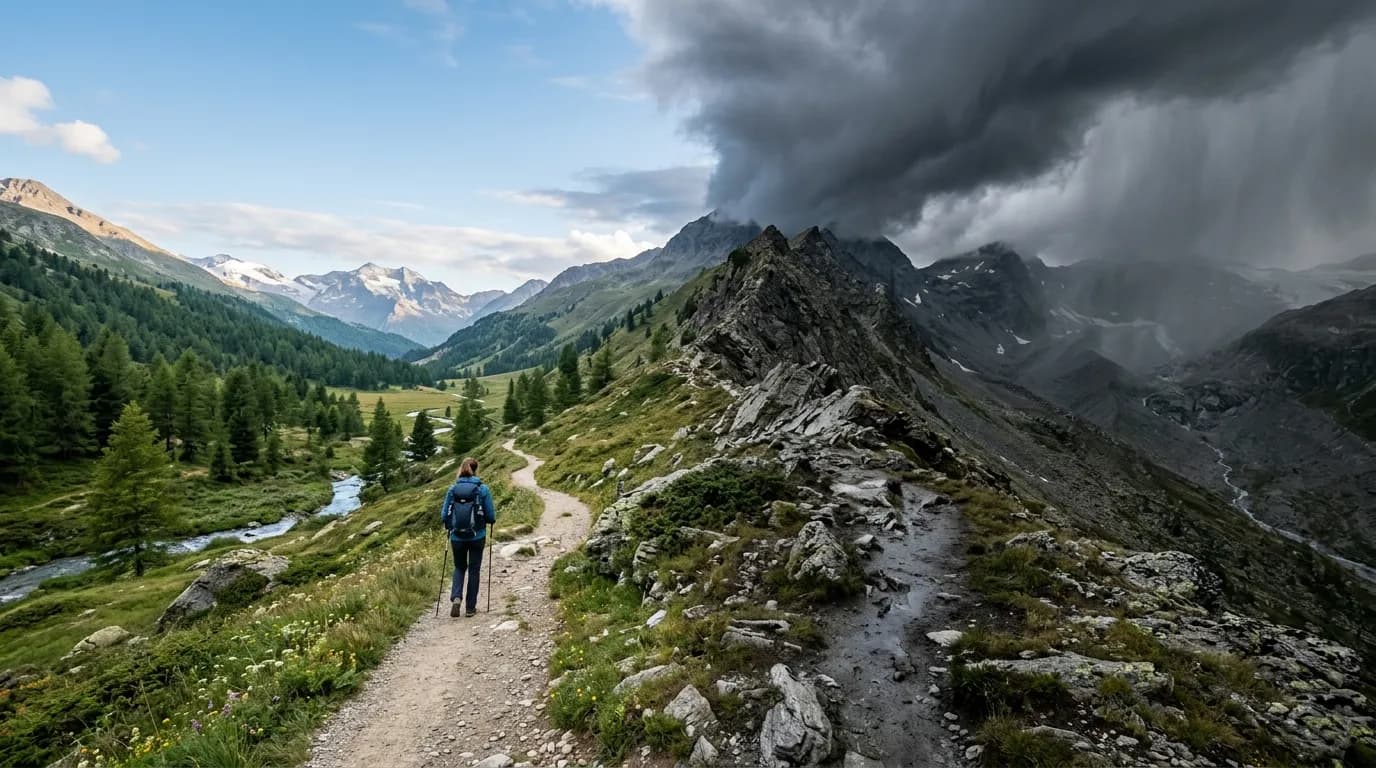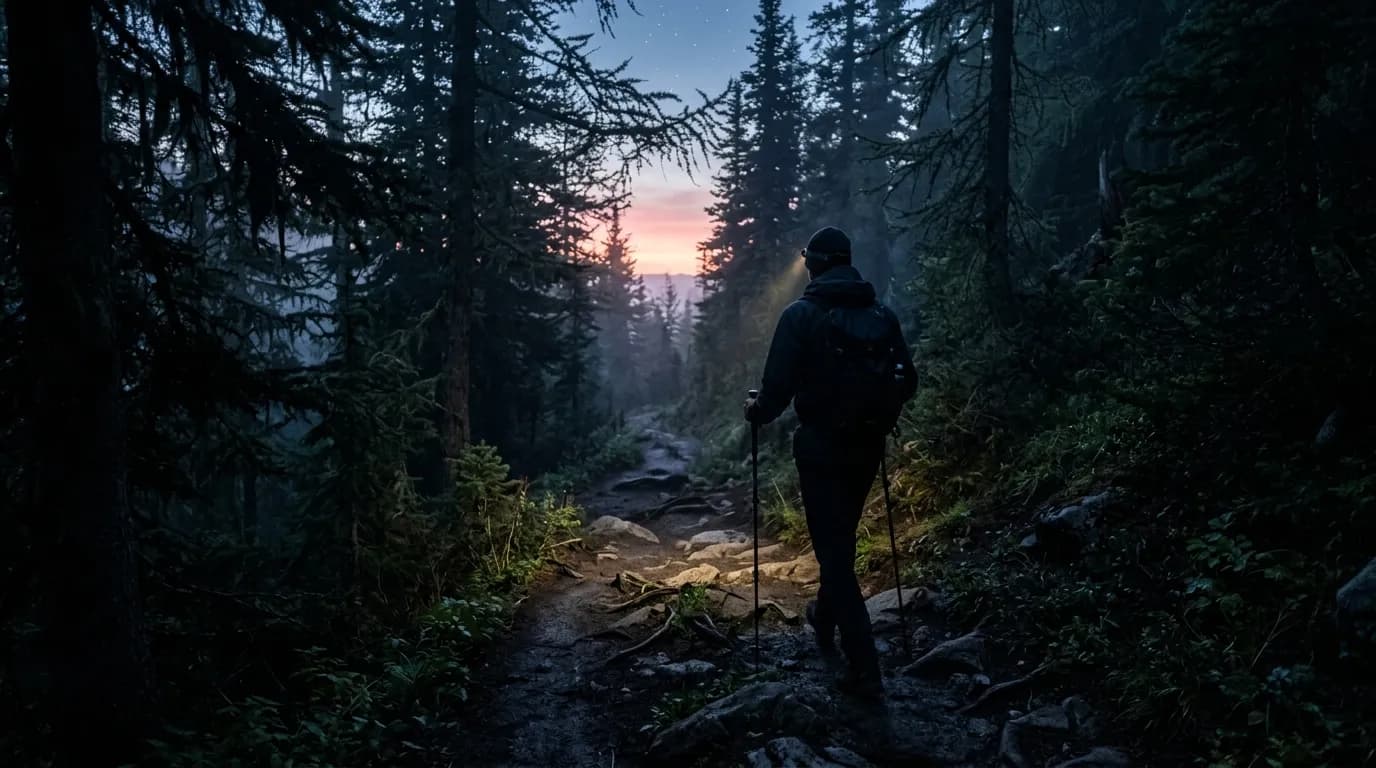
Most weekend trail trips fail before the first switchback. Not because the route was too hard, but because Friday ran out of hours and Saturday started with a parking lot argument, a missing permit printout, and a weather guess that turned into a soggy gamble. A weekend hike is not a longer day hike with more coffee. It is a small logistics project with a scenic payoff, and the difference between a trip you remember fondly and one you survive is usually planning done in ten-minute blocks across the week.
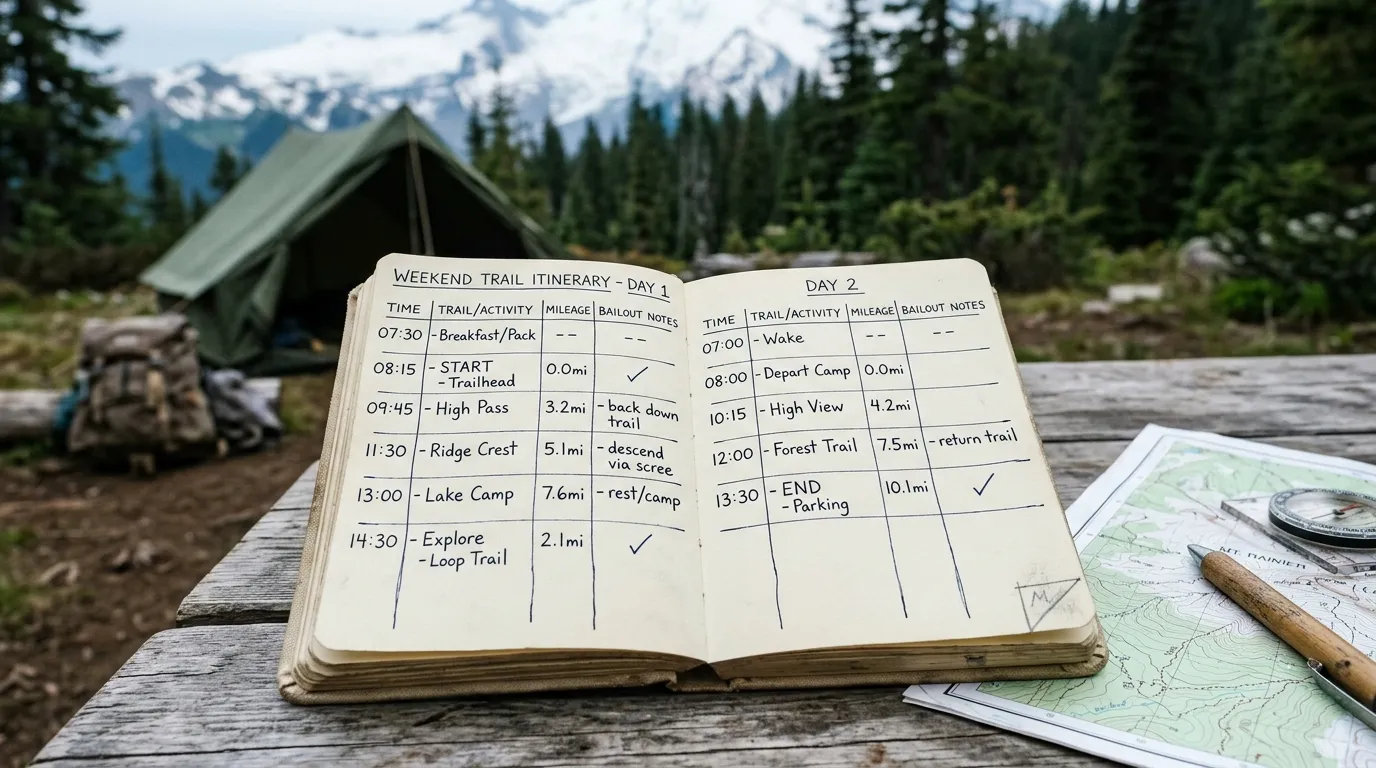
This guide is for hikers who want one solid trail weekend without turning their living room into a gear warehouse. We will walk through choosing a route that matches your real energy, building a timeline that respects drive time and daylight, handling permits and parking before you leave the driveway, and packing in a way that makes Sunday feel like a choice rather than a recovery sentence. If you want a fill-in-the-blank version of the schedule, pair this with our weekend trail itinerary template. If parking and permits make you nervous, keep our trail parking and permits checklist open while you work through the steps below.
Start with the weekend you actually have
Before you fall in love with a trail photo, write down the constraints that do not bend. How many hours can you hike on Saturday after driving? Do you need to be home by a certain time Sunday? Is anyone in your group on a hard Monday deadline? Are you sharing one car or meeting at the trailhead? These answers define your route more honestly than elevation gain on a map.
A common mistake is picking a marquee peak because it looked inspiring on a Tuesday night, then discovering Saturday includes three hours of traffic, a late start, and a turnaround that feels like defeat at mile four. The fix is not optimism. The fix is matching route length and vertical to the available hiking block, not the ideal one. If your realistic Saturday hiking window is five hours door to ridge and back, choose a route that fit hikers complete in four. That buffer absorbs slow packing, photo stops, and the inevitable "where did I put the headlamp" moment.
Weekend trips also have social math. A group moves at the pace of its slowest comfortable member, not its most ambitious planner. Ask early about fitness, recent hiking, and sleep expectations. If half the group wants a dawn start and half wants brunch first, resolve that on Wednesday, not at the trailhead. Calm weekends are built from small agreements made early.
Pick a route lane, not a trophy
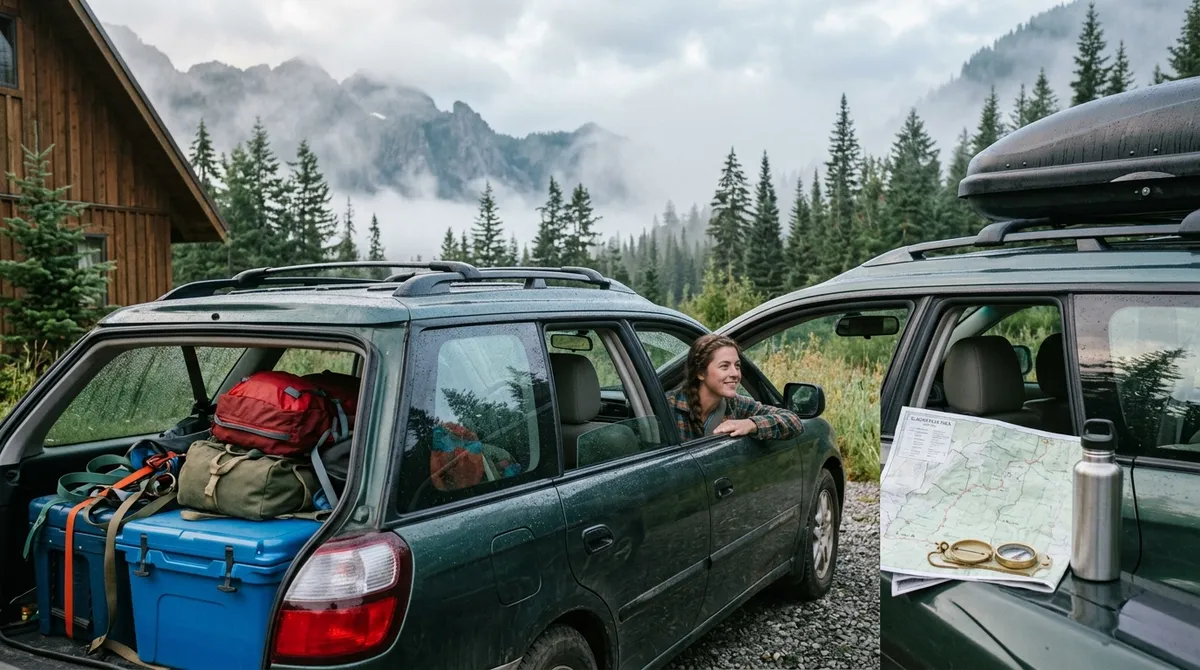
Think in lanes: short scenic loop, big single-day objective, or two moderate days. Each lane has different failure modes. A big single-day objective fails when drive time eats the morning. Two moderate days fail when day two legs are trashed because day one was secretly too ambitious. A short scenic loop fails only if you expected a summit story and got a meadow walk instead—so be honest about the story you want from the weekend.
Use three filters when comparing routes. First, recent trail reports: mud, blowdowns, snow patches, and closed access roads show up here before they show up in your mood. Second, bailout options: can you shorten the loop if weather shifts or energy drops? Third, water and shelter: are there reliable sources, or do you carry everything? A weekend plan that ignores water planning turns into a heavy pack and short tempers by afternoon.
Write the chosen route name, mileage, elevation, and estimated time in one place. If you cannot explain why this route fits this weekend in two sentences, keep looking. The best weekend trail is often the one that leaves margin, not the one that maxes your Strava year.
Red flags when browsing trail databases
- "Quick" loops that still require a long forest road approach with no cell service.
- Routes with one parking lot for three popular destinations—expect a queue.
- Summit pushes with no sheltered turnaround point below treeline.
- Trail descriptions that assume perfect dryness in spring shoulder season.
- Out-and-back alpine routes with no early exit before exposed ridges.
Build a timeline backward from trailhead arrival
Forward planning feels good and fails often. Backward planning feels fussy and works. Pick your ideal trailhead arrival time, then subtract drive time, breakfast, packing, and a twenty-minute "something is missing" buffer. That gives you a wake-up time you can actually defend.
Example: you want to start hiking at 8:00 a.m. at a trailhead ninety minutes away. Subtract ninety minutes driving, thirty minutes for food and final pack checks, twenty minutes buffer. You need wheels rolling by 5:40 a.m. If that wake-up is unrealistic for your group, your 8:00 a.m. start is fiction—move the route or move the sleep schedule, but do not pretend both.
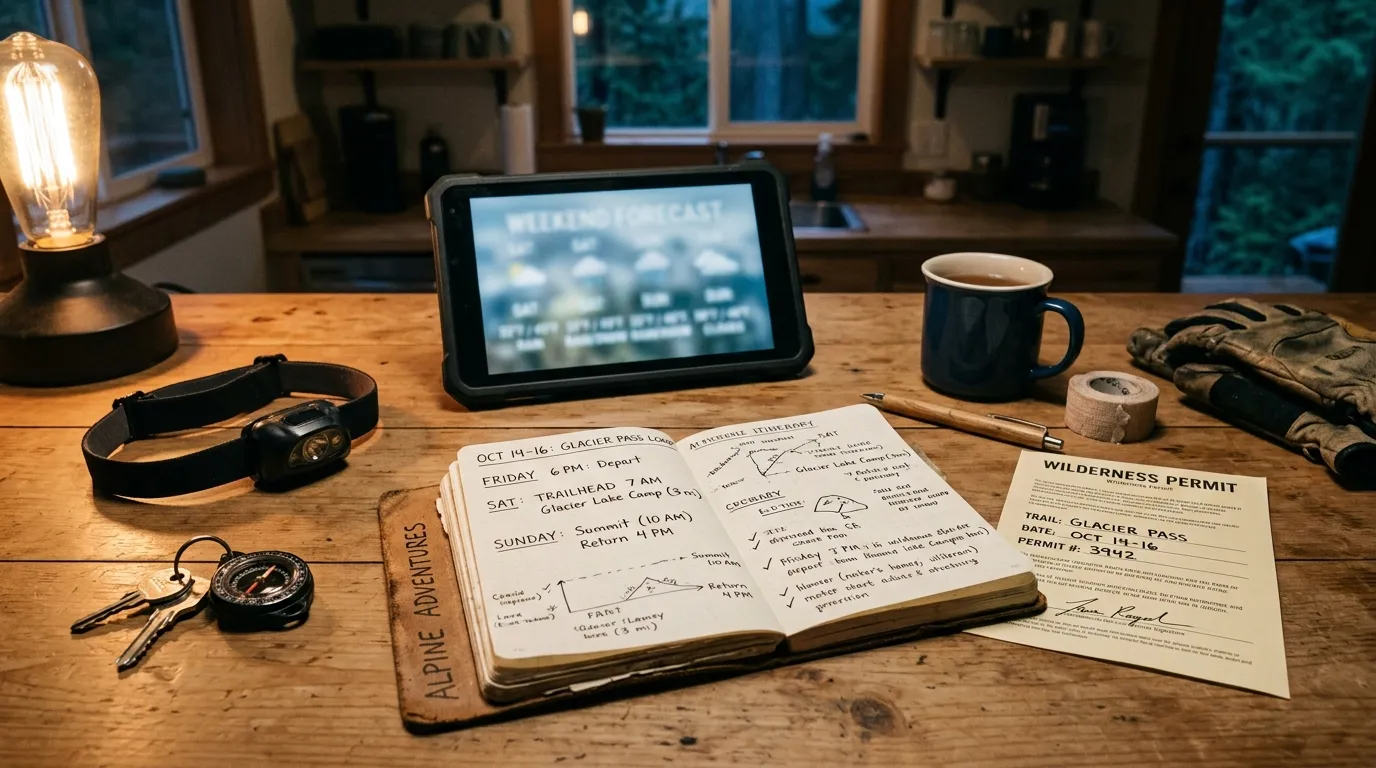
Put the timeline on paper or in the shared notes app. Include who owns each task: fuel stop, permit folder, lunch assembly, dog leash, traction devices. Unassigned tasks become silent stress. Our weekend trail itinerary template exists so you do not rebuild this table every Friday.
Friday night prep that saves Saturday
- Lay out clothes for both days; check forecast for low temps at the car.
- Fill water bottles and prep snacks that do not require morning brain.
- Charge headlamp, phone, and battery pack; confirm offline maps downloaded.
- Print or screenshot permits, parking rules, and gate hours.
- Pack the car with hard items; leave soft layers in the house until morning.
Weather: decide thresholds before you are emotionally invested
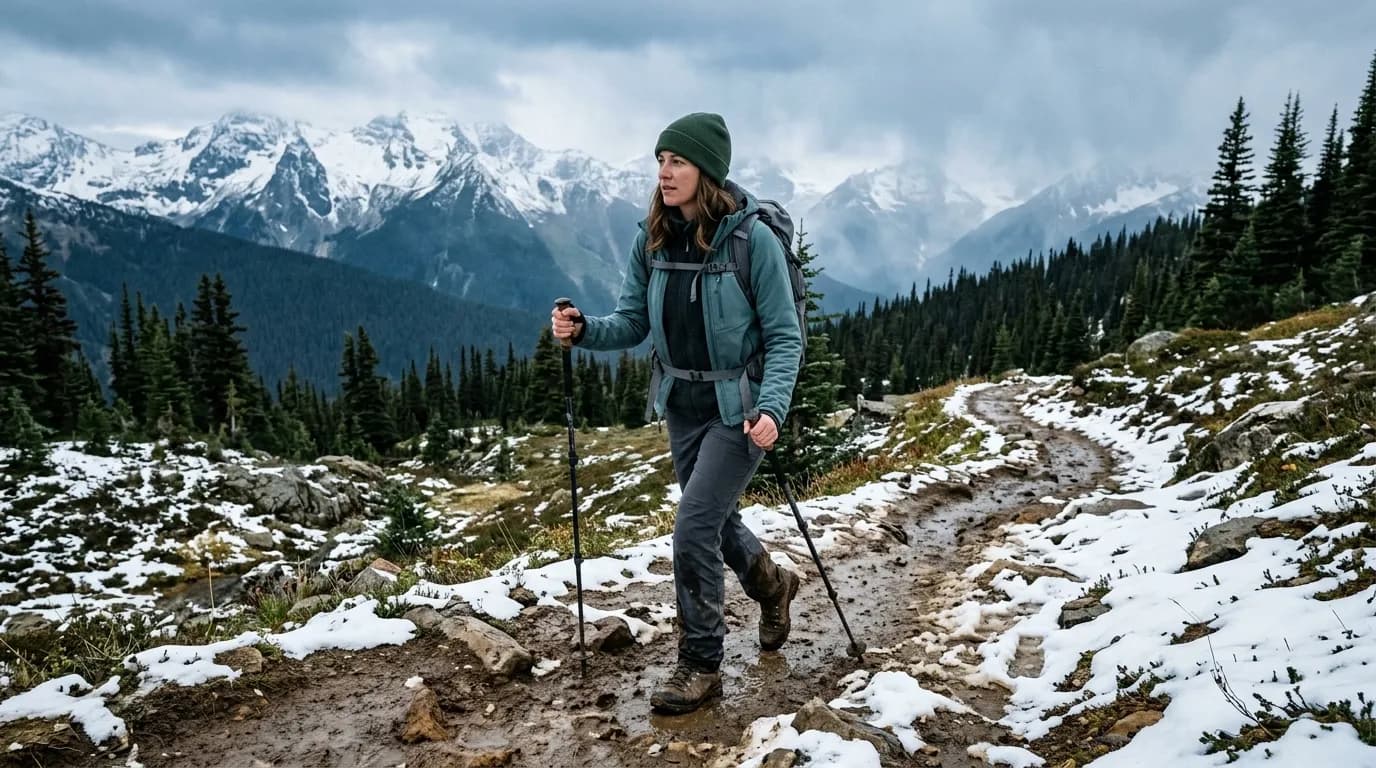
Weekend weather anxiety is real because you have sunk cost: you took time off, told friends, packed food. Decide go/no-go thresholds on Wednesday when you still have swap options. Example rules: sustained winds above forty miles per hour on exposed ridges means choose a treeline route or postpone. Thunderstorm probability above thirty percent in the afternoon means start earlier or pick a valley loop. Temperature swings beyond twenty degrees between car and summit means pack insulation you might not wear at the trailhead.
Check multiple sources: a general forecast for town, a mountain-specific forecast if available, and recent trail condition posts. Disagreement between models is a signal to build margin, not to hope the nicer model wins. If weather is borderline, choose the route with the latest safe turnaround point rather than the highest summit.
Parking, permits, and access windows
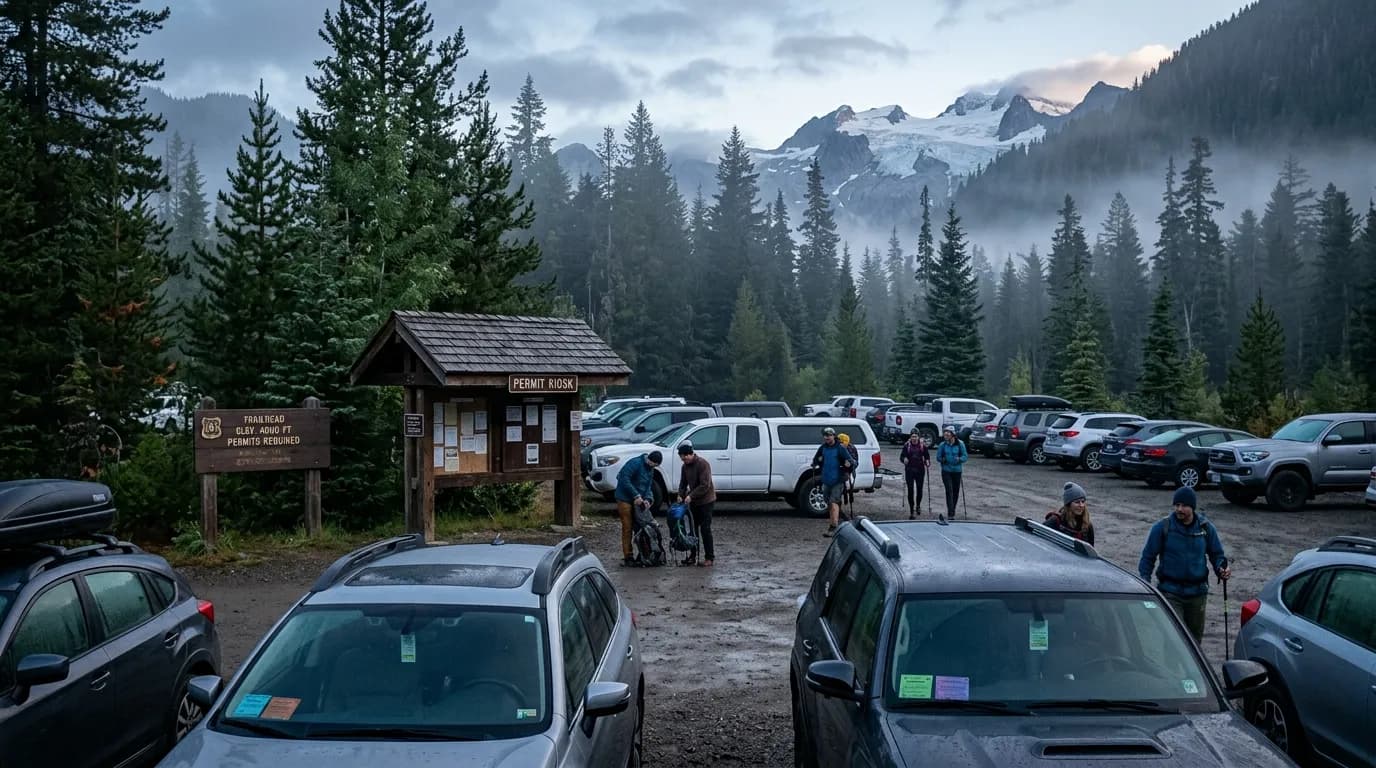
Nothing drains a weekend faster than arriving to a full lot, a closed gate, or a ranger politely explaining that your reservation is for the wrong entrance. Treat parking and permits as part of the route, not an afterthought. Confirm which lot serves your trailhead, whether reservations are timed, and what happens if you arrive late. Some areas release cancelled slots at a fixed hour; others do not forgive tardiness at all.
Save screenshots of confirmation emails, reservation QR codes, and printed copies if the area has spotty service. Know the fee type: card-only kiosk, exact cash, or license plate tied to an online purchase. If you carpool, ensure the registered vehicle matches what you drive. Work through the full checklist in our trail parking and permits guide once you have a trail name locked.
Access questions worth asking before you leave
- Are forest roads open, and do they require high clearance after rain?
- Is there an alternate lot if the main one fills?
- Do trail registers or self-issue permits need a pencil and party size?
- Are dogs allowed, and are there leash rules at parking versus on trail?
- What time does the gate lock if you linger for sunset?
Packing rhythm for two days without overfilling the car
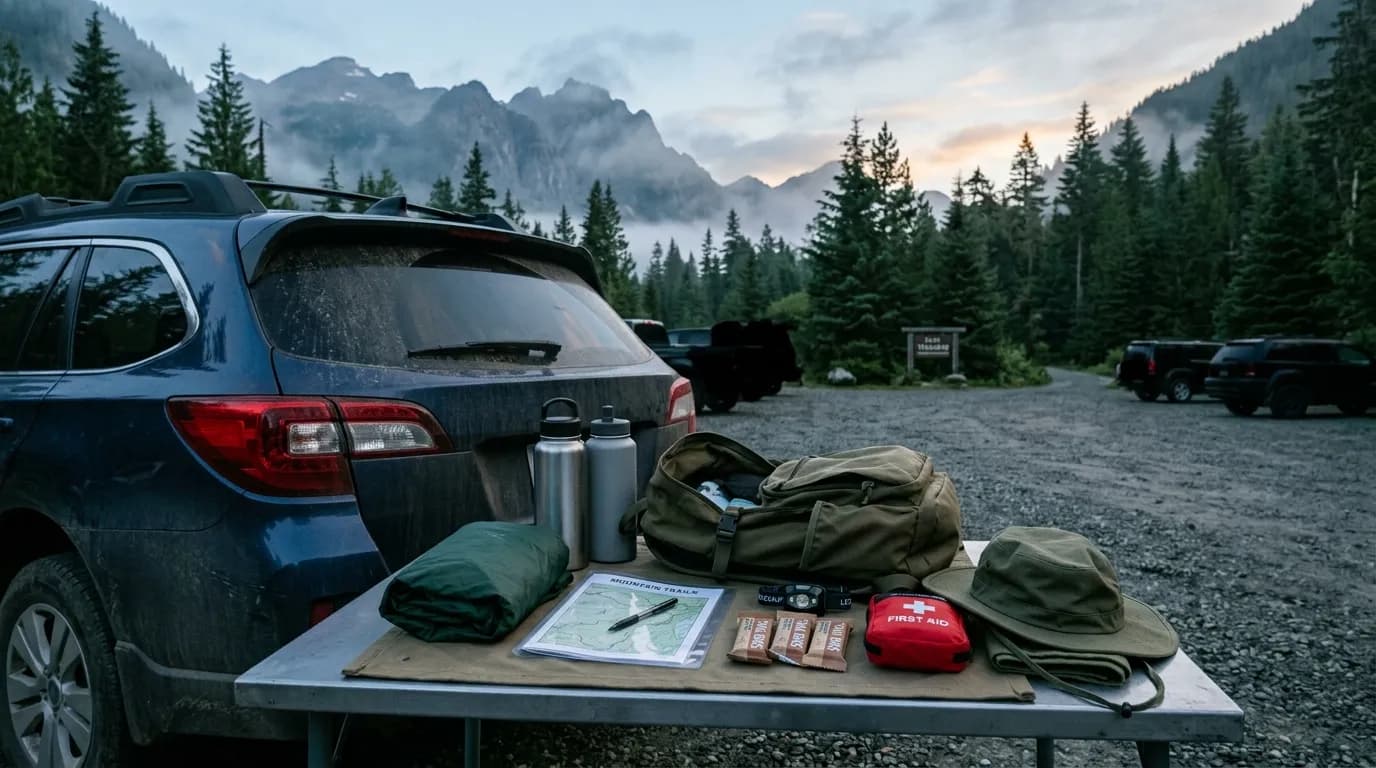
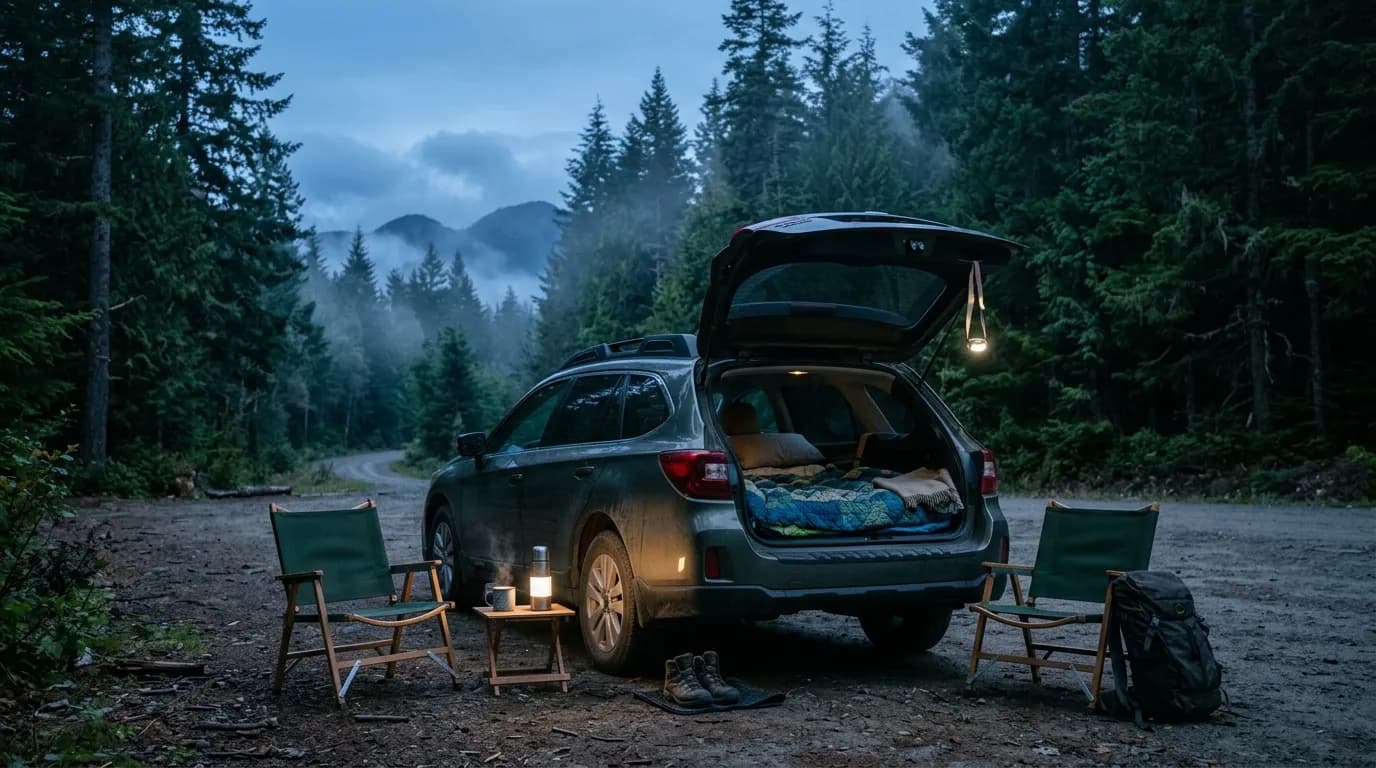
Weekend trail packing splits into three zones: hike kit, car comfort, and shared group items. Hike kit is what leaves the trailhead in your pack: layers, water, food, navigation, first aid, sun protection, and weather insurance. Car comfort is what makes the overnight or long drive humane: camp chair, cooler, spare shoes, towel, and sleep setup if you are staying near the trailhead. Shared group items are the things someone always forgets: stove fuel, group first aid additions, bear canister if required, and the paper map when phones die.
Pack hike kits into one bag per person that can go from car to back without repacking everything. Keep a "never leave the car" bin with extra food, dry clothes, and charging cables. The mistake is treating the car like a second closet and hauling duplicate items on trail "just because they fit." Weight on your back still matters on a weekend; tired shoulders make conservative decisions harder on day two.
Food planning deserves its own minute. Cold sandwiches at a trailhead are fine; hungry hikers at mile eight are not. Pack calorie-dense snacks reachable without stopping the group. For two-day weekends, plan dinner near the car, not on the ridge, unless you genuinely enjoy cooking with wind in your stove flame.
Communication, safety, and the turn-around conversation
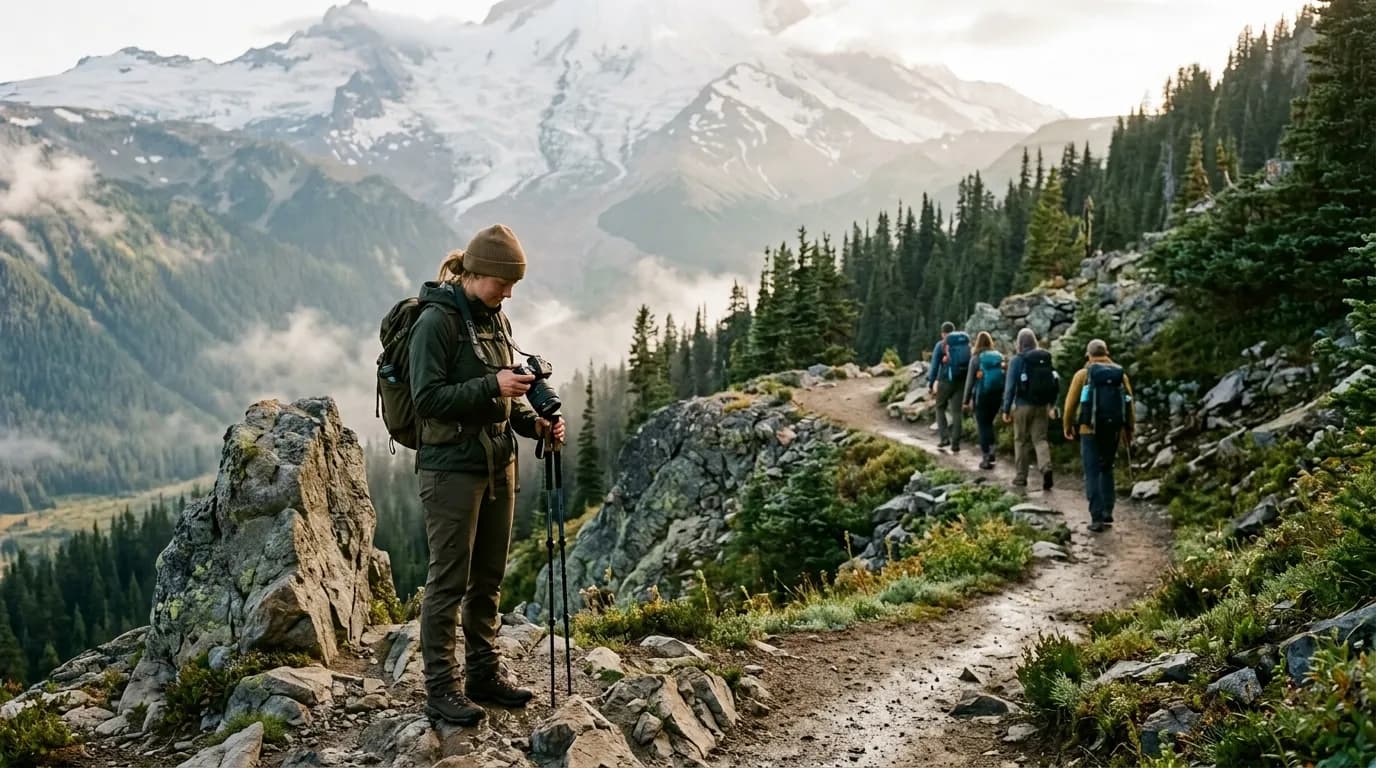
Before you start, agree on communication rules: when to regroup, how far apart is acceptable, and what triggers a turnaround. Weekend groups often split on descents; knowing the plan prevents two different versions of "we said we'd meet at the lake." Share your route and return window with someone not on the trip. If service is limited, a satellite messenger or planned check-in time matters more than a heroic push.
Discuss turnaround triggers while everyone is calm. Time cutoffs, lightning, whiteout, injury, or unexpected ice are easier to honor if the group already said "we turn at two p.m. regardless of distance to summit." Ego grows when people are tired. A written note on the itinerary beats an argument above treeline.
Day-two energy: plan Sunday like a smart sequel
If your weekend includes a second hike, Sunday should be shorter, shadier, or closer to the car unless the group is consistently strong and slept well. Many weekend trips go wrong because Saturday's route was secretly a one-day peak effort and Sunday becomes a punishment hike nobody admits they do not want. Build Sunday as a reward: waterfall walk, lake loop, or coffee-and-view stroll.
Sleep, hydration, and food on Saturday night dictate Sunday more than motivation speeches do. If you camp near the trailhead, prioritize quiet, warmth, and a morning routine that does not require tearing down camp in the dark unless sunrise is the point. Lay out Sunday's lighter pack before you sleep.
After the trip: the ten-minute debrief that makes the next weekend easier
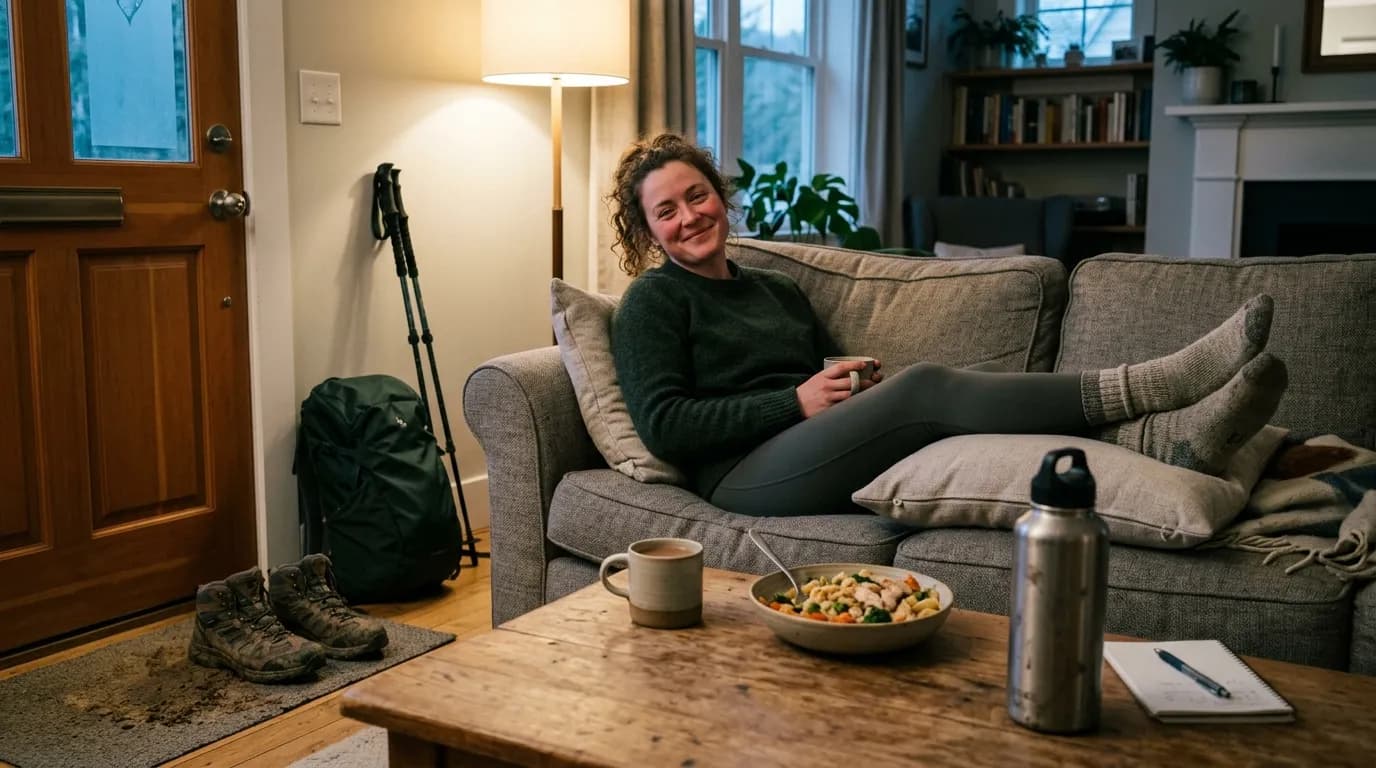
When you get home, spend ten minutes logging what worked. Note actual drive time, real start time, gear you did not use, and gear you wished you had. Update your template, restock snacks, recharge batteries, and wash layers before they become a science project in the hamper. Weekends compound: each trip makes the next one smoother if you capture lessons while they are fresh.
Budget the weekend in three numbers
Weekend trail trips get expensive in quiet ways: gas, parking fees, permit charges, camp fees, and the post-hike meal nobody budgets but everyone expects. Estimate three numbers midweek: travel cost, access fees, and food. If the total surprises you, adjust before Saturday resentment sets in. Carpooling splits fuel but requires one person to drive more—trade fairly.
Gear costs are amortized across trips, not single weekends. If this trip requires a purchase, decide whether the item serves future hikes or only this one ambitious route. Borrowing traction devices, bear canisters, or camp chairs from a friend beats buying for a single outing. Return borrowed gear clean and on time; that is part of trail culture.
Navigation and offline readiness
Weekend routes often leave cell service for hours. Download offline maps for the full route corridor, not only the trail line. Save parking lot pin, bailout junctions, and water sources as waypoints. Carry a paper map backup in a zip bag if the area is complex or if weather may kill phone batteries with cold and camera use.
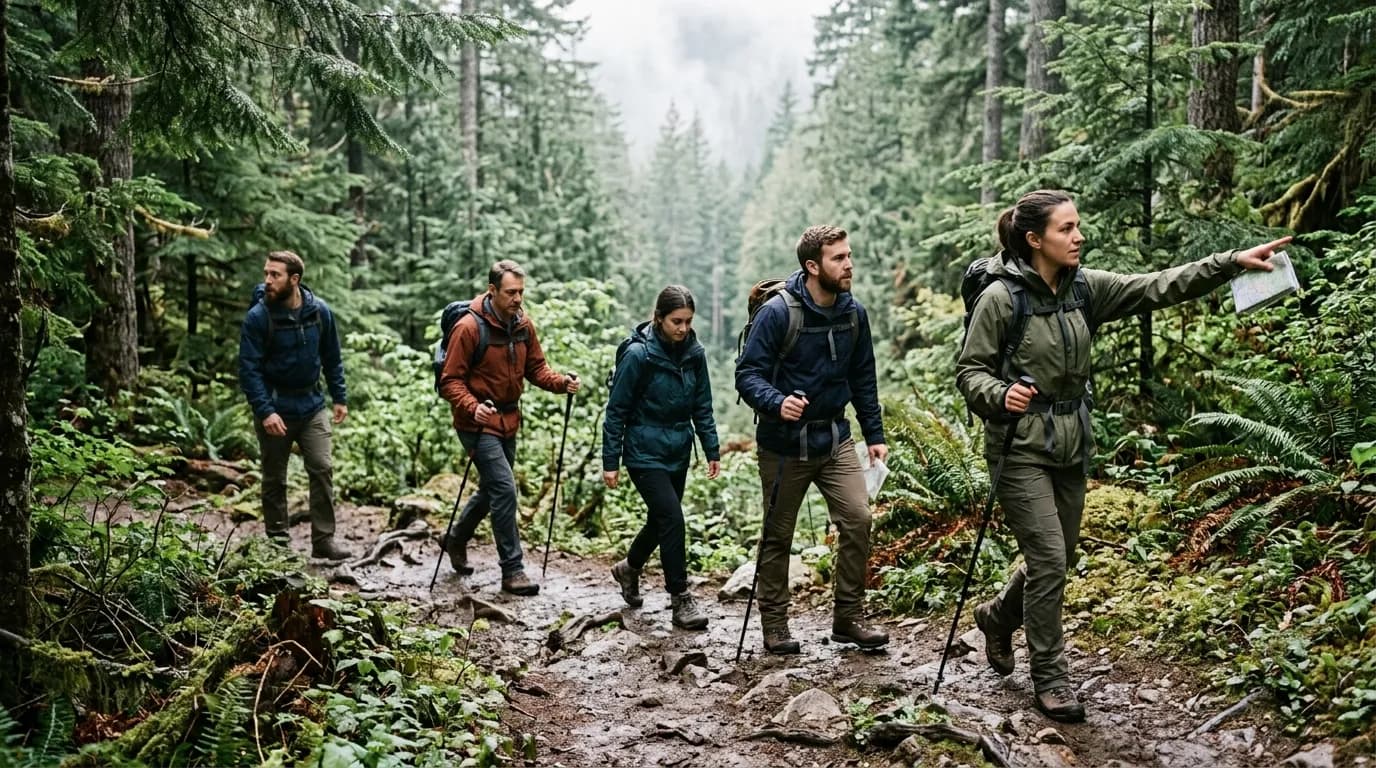
Review the route with the group using the same map app or paper so everyone recognizes major junctions. Miscommunication at unmarked splits ruins weekends fast. A five-minute map talk on Friday prevents a thirty-minute bushwhack debate on Saturday.
First-time weekend planners: a one-page workflow
If this is your first planned weekend trail trip, follow this sequence without skipping steps: pick route lane, confirm hours available, check parking and permits, set weather thresholds, build backward timeline, pack in three zones, share plan with someone at home, debrief after. Each step takes ten to twenty minutes spread across the week. The payoff is a Saturday that feels intentional instead of improvised.
Planning a weekend trail trip is not about crushing a spreadsheet. It is about removing avoidable friction so you can spend your limited free hours moving through trees and ridge air instead of troubleshooting preventable problems. Choose a route that fits your calendar, lock parking and permits early, weather-proof your decisions with thresholds, pack in zones, and give Sunday a humane shape. Do that, and the weekend feels like a trip—not a rescue mission with better views.
Frequently Asked Questions
How far in advance should I plan a weekend trail trip?
Start light planning seven to ten days out for familiar areas; longer when permits or popular parking reservations are involved. Local forest loops can lock in by Wednesday night. Destination parks may need calendar alerts weeks or months ahead. Spread ten-minute planning blocks across weeknights instead of one frantic Friday session.
What mileage works for a first weekend trip?
Choose a Saturday centerpiece you could also finish as a strong day hike at home, then shorten it for drive fatigue and group pace. Many first weekends succeed at six to ten miles with modest gain rather than a fifteen-mile statement hike. Build optional viewpoint spurs so stronger hikers get extra interest without forcing everyone onto the same ambition.
Should we camp near the trailhead or stay in town?
Camp or car-sleep near the trailhead when dawn starts and parking matter; stay in town when you need reliable sleep, showers, and easy bailouts. Compare options honestly—see car camping near trailheads for a simple overnight setup. The goal is the hike quality on Saturday, not proving toughness Friday night.
How do I plan with mixed fitness levels?
Design for the slowest expected sustainable pace and assign roles so stronger hikers help rather than race ahead. Use turnaround times, not summit guarantees. Optional spur trails give faster hikers something to do while the group stays cohesive on the main route.
What is the single most common planning failure?
Underestimating drive, parking, and gearing-up time so the trail day starts two hours late. Work the timeline backward from sunset or turnaround time, then add buffers. Pair this guide with the weekend itinerary template and parking and permits checklist so logistics stay visible.