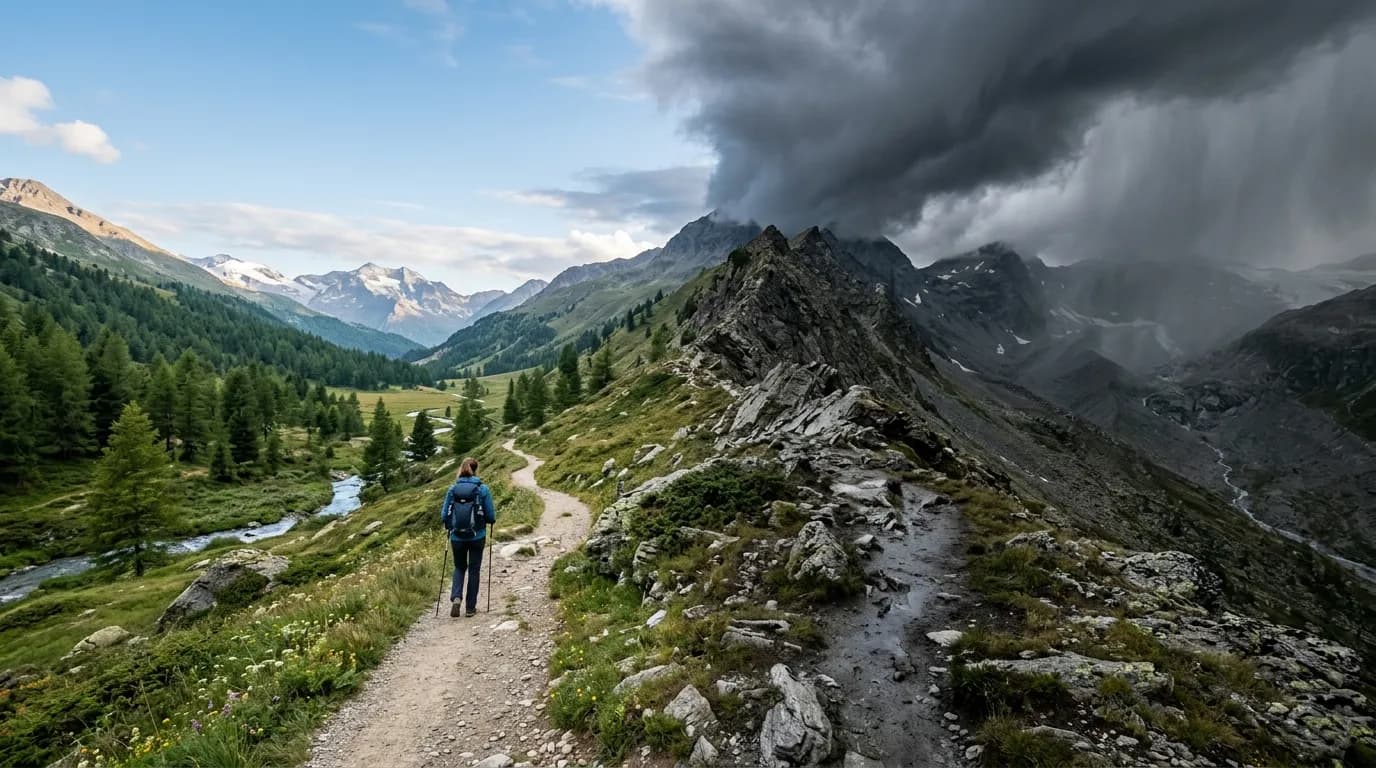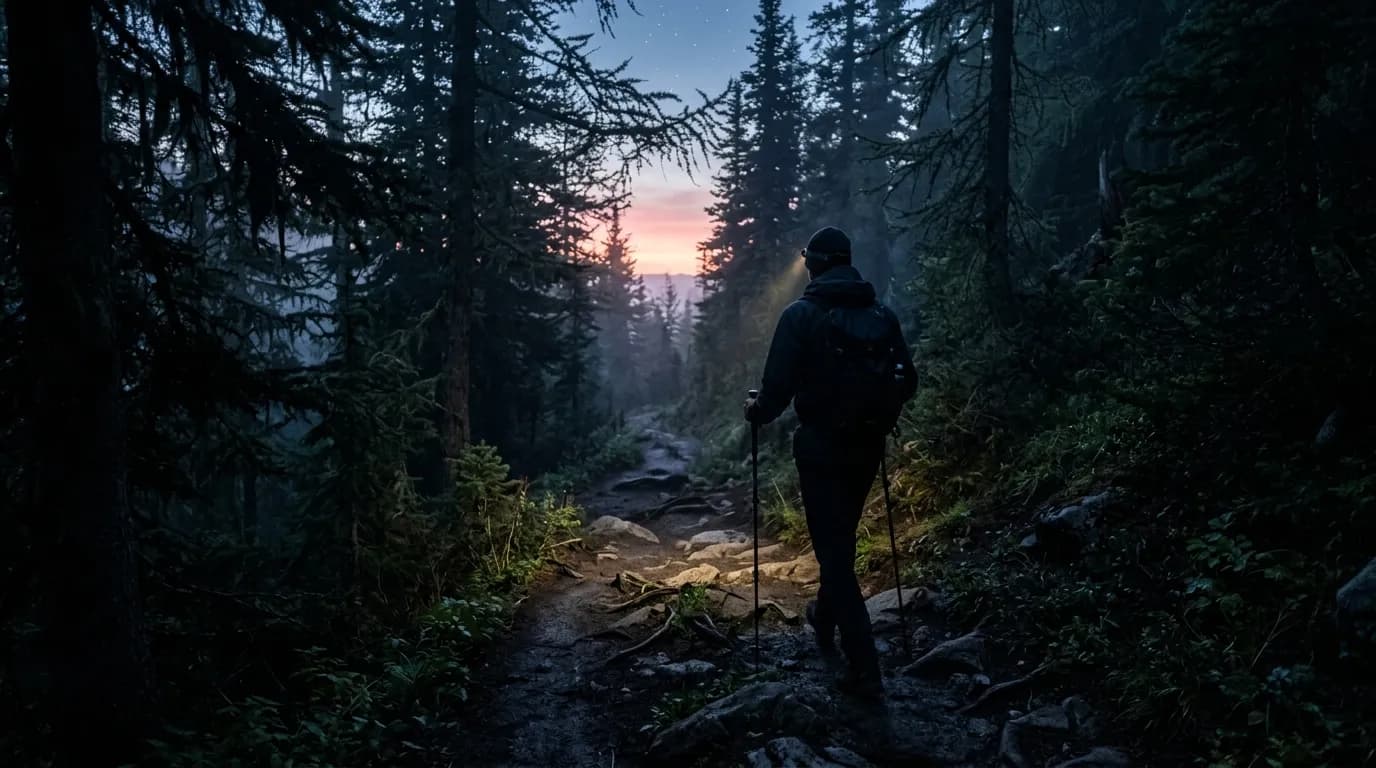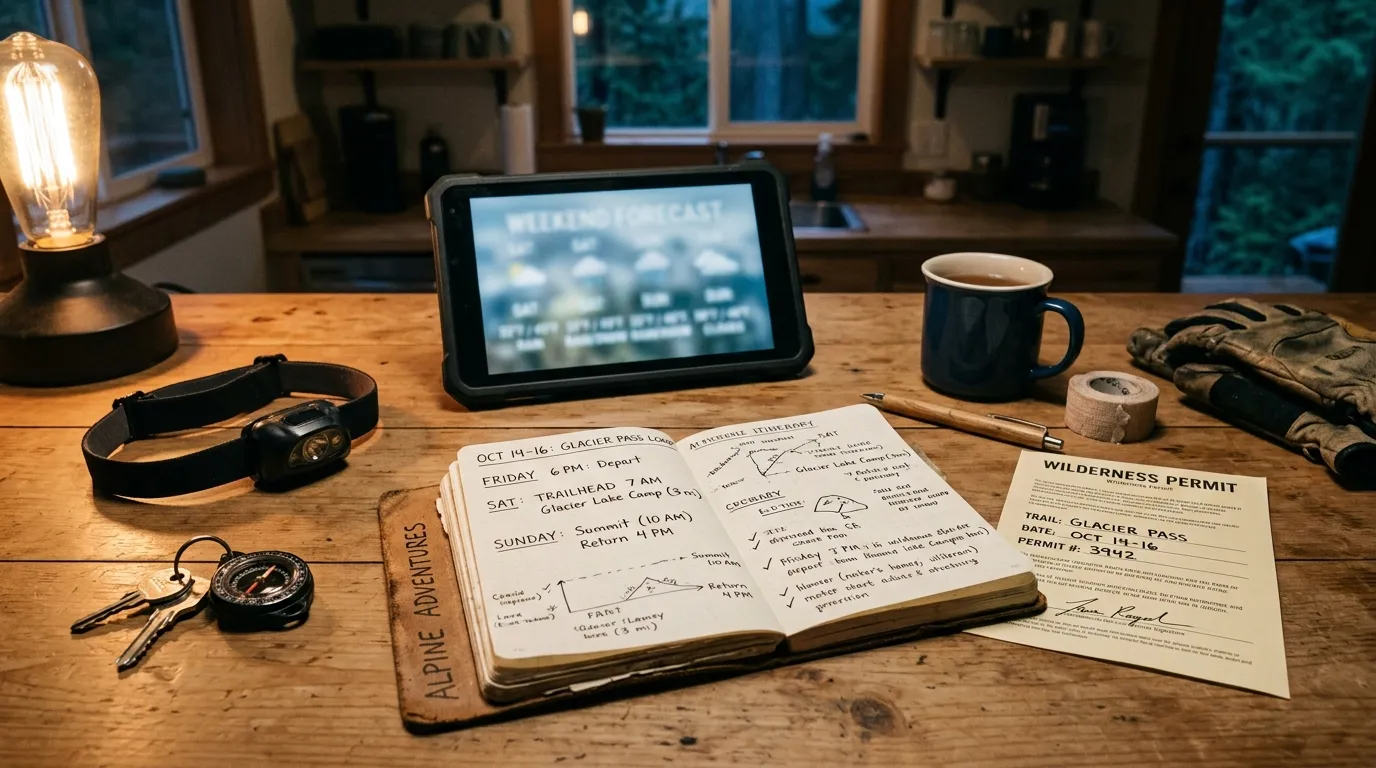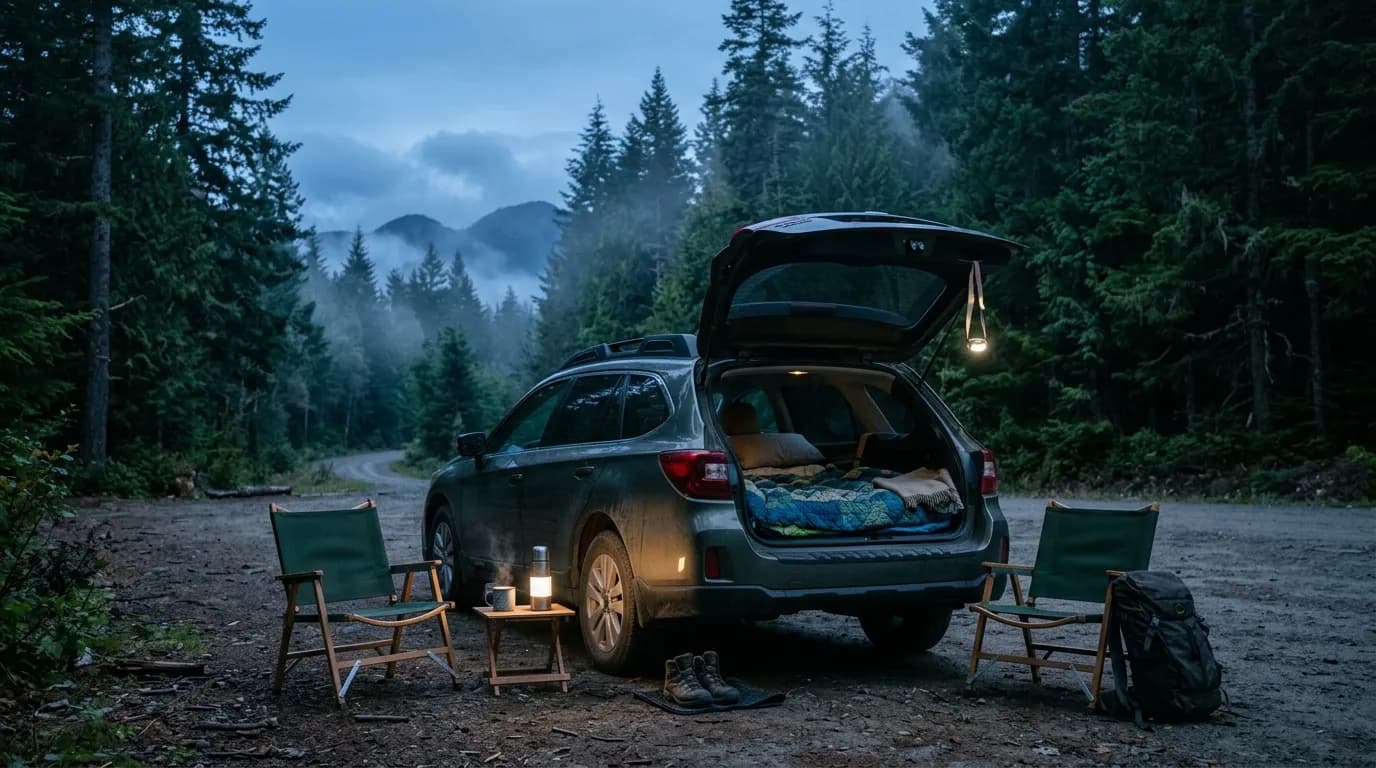
Car camping near a trailhead is the cheat code for a calm hiking morning. You skip the predawn drive, the gas station breakfast, and the mental math of whether you will still find parking when you arrive. You trade a night in a bed for a night in a seat that reclines—or a small tent pitched ten minutes from the first switchback—and you wake up already where the trail begins. Done simply, it is one of the highest-return skills in a weekend hiker's toolkit. Done sloppily, it is a cold, cramped, illegal parking lot with a 5:00 a.m. ranger knock.
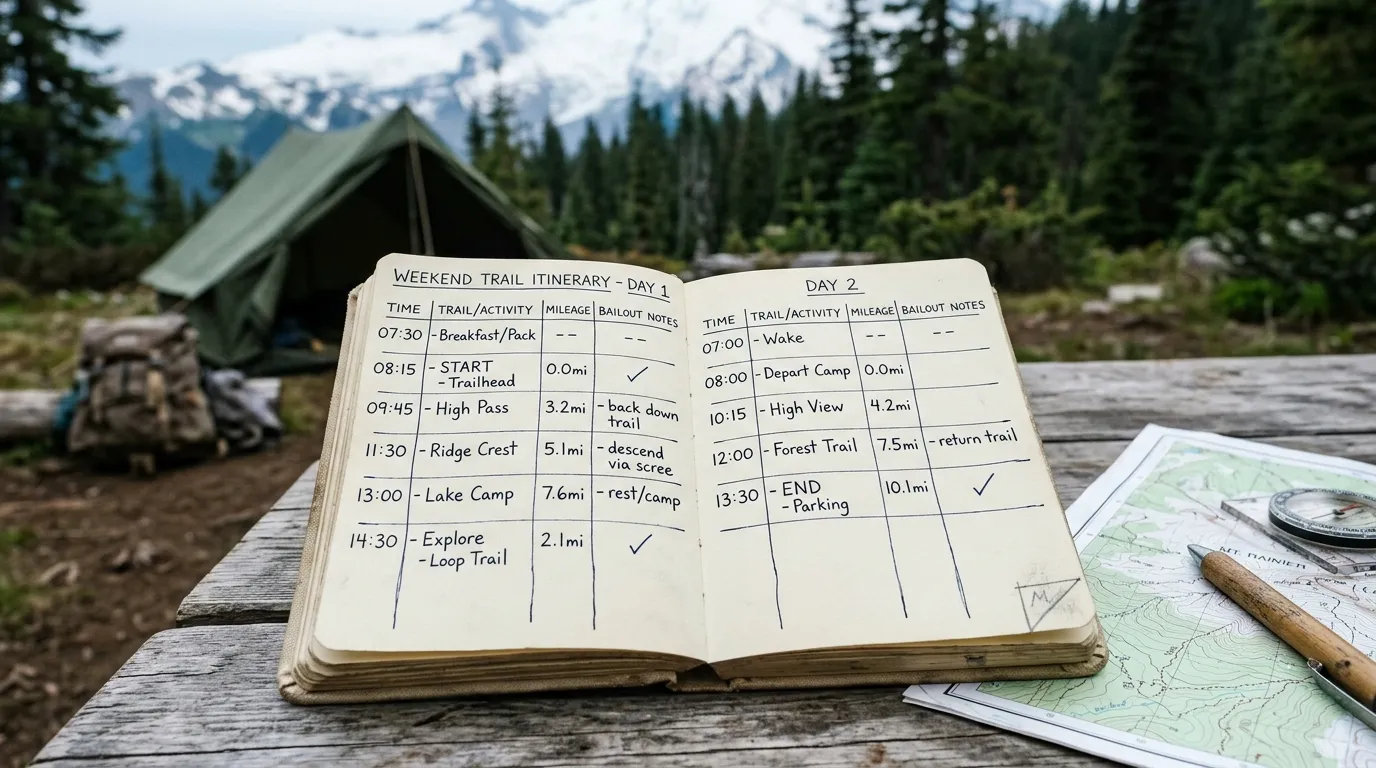
This guide is for hikers who want an overnight near the trail without building a full campground kit. We cover where car sleeping is actually allowed, how to set up a vehicle or tent camp that respects neighbors and land managers, what to pack so you are not hauling housewares, and how to transition from sleep to trail without losing an hour to chaos. For the broader weekend schedule, start with how to plan a weekend trail trip. After a big day on trail, your body will thank you for reading recovery after a big hiking day before you stack another hard morning on tired legs.
Why sleep near the trailhead at all
The obvious win is time. A trailhead thirty minutes from home becomes ninety minutes away with Friday traffic. Sleeping nearby turns a 4:30 a.m. alarm into a 6:00 a.m. stretch and a short walk to the register. You start hydrated, fed, and warm instead of rushed and slightly nauseated from curvy roads in the dark.
The less obvious win is decision quality. When you drive from home on the same morning as a long hike, small problems escalate: forgotten poles become a turn-back, a full parking lot becomes a crisis, a cloudy sky becomes a reason to bail entirely. When you are already on site, you can adjust start time with weather, walk to the lot to gauge crowds, and swap layers without unpacking a car at highway speed.
Car camping also spreads effort across two days in a humane way. Friday evening becomes travel and settle-in. Saturday becomes the objective. Sunday can be a shorter hike or a calm drive home. That rhythm matches how most working hikers actually recover, even if Instagram suggests everyone summits at sunrise and still runs errands by noon.
Know the rules before you recline the seat
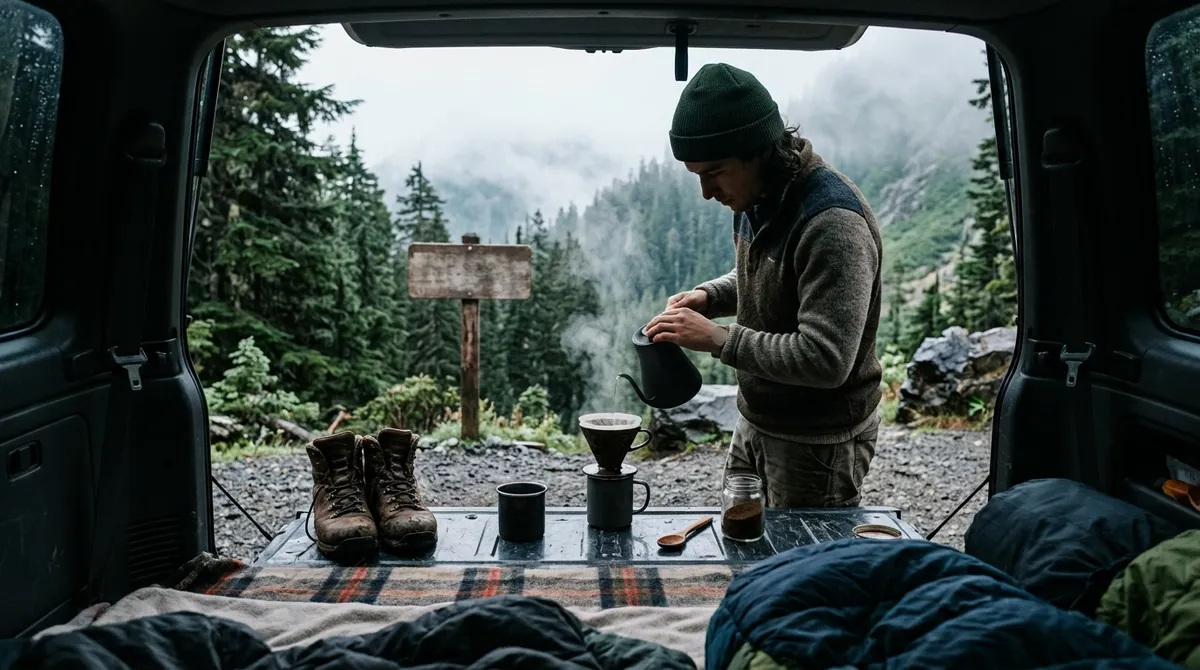
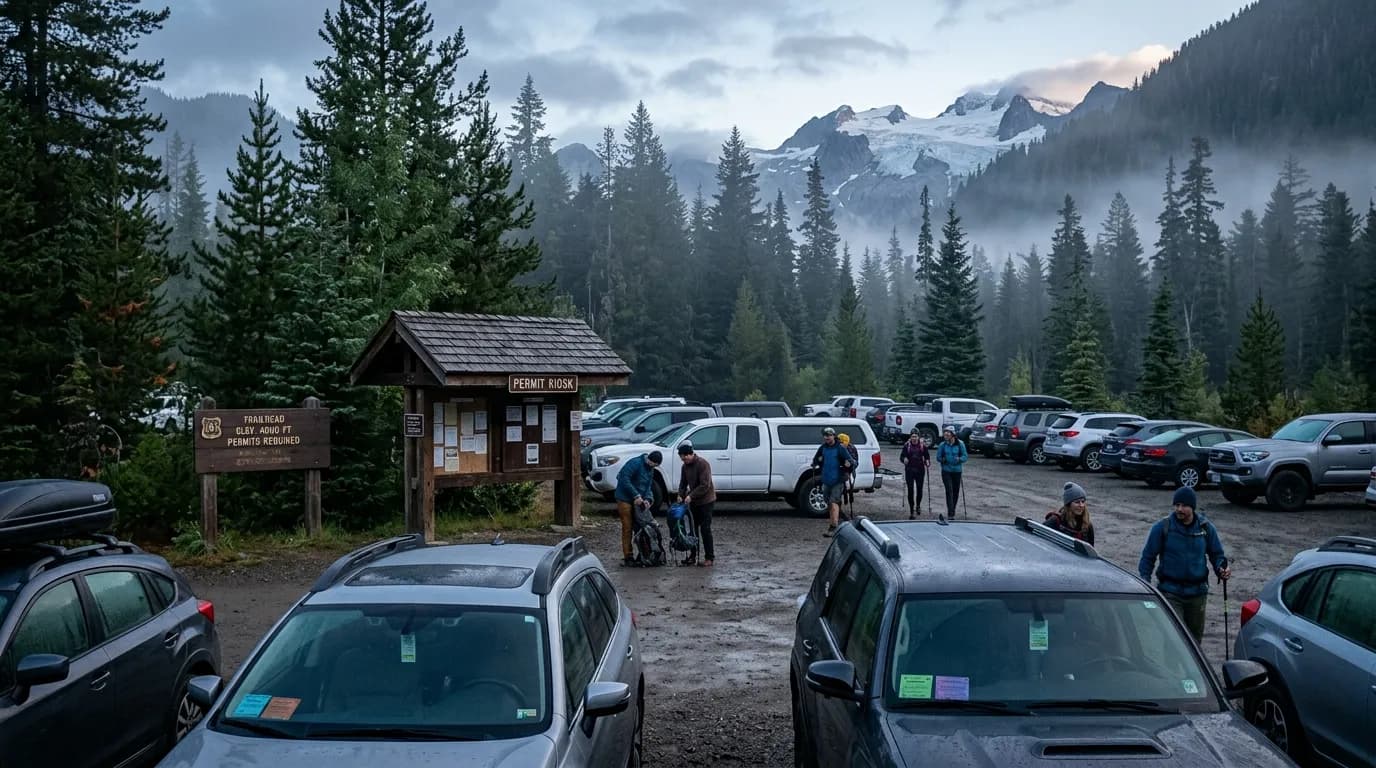
Not every trailhead parking lot allows overnight stays. Some national forests permit dispersed camping along nearby roads but forbid sleeping in developed lots. Some county parks allow overnight parking with a fee and a time window. Some popular trailheads post explicit "no overnight camping" signs because overflow sleepers blocked emergency access. Treat rules as part of route research, equal to mileage and elevation.
Check land manager websites, official maps, and recent comments from reliable sources. Call a ranger station if the policy is ambiguous. "I saw other people doing it" is not a policy. If overnight parking is prohibited, look for designated campgrounds within a short drive, forest service camps with tent pads, or paid sites that book last-minute on weekdays.
When allowed, follow quiet hours, pack out trash, and avoid blocking traffic lanes or gate access. Leave no trace applies to car camping: bathroom waste, food scraps, and gray water still matter. Good overnight behavior keeps trailheads open to hikers who come after you.
Questions to answer during planning
- Is sleeping in a vehicle legal here, or only tent camping in designated sites?
- Are there bear lockers, food storage boxes, or strict food-in-car rules?
- What are maximum stay limits and check-out times?
- Is there potable water, or do you bring all you need?
- Are campfires restricted by season or elevation?
Vehicle sleep setup without van-life theater
You do not need a buildout to sleep in a car. You need flat-ish sleep, insulation from cold glass, privacy, and ventilation. Recline seats if your vehicle allows it comfortably; otherwise flatten the back row and slide a sleeping pad across. A closed-cell foam pad or inflatable camping pad beats a stack of hoodies for both warmth and honesty about how your back will feel in the morning.
Layer a sleeping bag or quilt rated for temperatures you expect at the car, not at home. Trailhead lots are often colder and windier than suburban driveways. A thin blanket over the bag adds comfort without bulk. Window covers—reflective sun shades, custom foam inserts, or simple curtains—reduce condensation and give you privacy when other late arrivals shine headlights across the lot.
Crack windows slightly for airflow unless weather is severe. Carbon monoxide from running engines or heaters in enclosed spaces is a real risk; never sleep with a idling engine. Keep keys, headlamp, and shoes within reach. Organize the front seats so you can exit quickly for a bathroom run without unpacking half the car at midnight.
Minimal car-sleep kit list
- Sleeping pad and bag appropriate for low temps at elevation.
- Pillow you will actually use; inflated camp pillow or compact fill.
- Headlamp with red mode for discreet light.
- Window covers or shades; bug net if mosquitoes are seasonal.
- Wet wipes, small towel, and a dedicated "morning" layer.
- Trash bag; keep food smells managed and packed away.
Tent camping near the trailhead when the car is too cramped
If vehicle sleep is miserable in your car or prohibited, a small tent near a formal camp spot may be the better tool. Choose a tent you can pitch in ten minutes in dim light. Practice once in the backyard; fumbling with poles while tired and cold is how people hate camping forever. A footprint or tarp under the tent protects floor fabric on gravel pads.
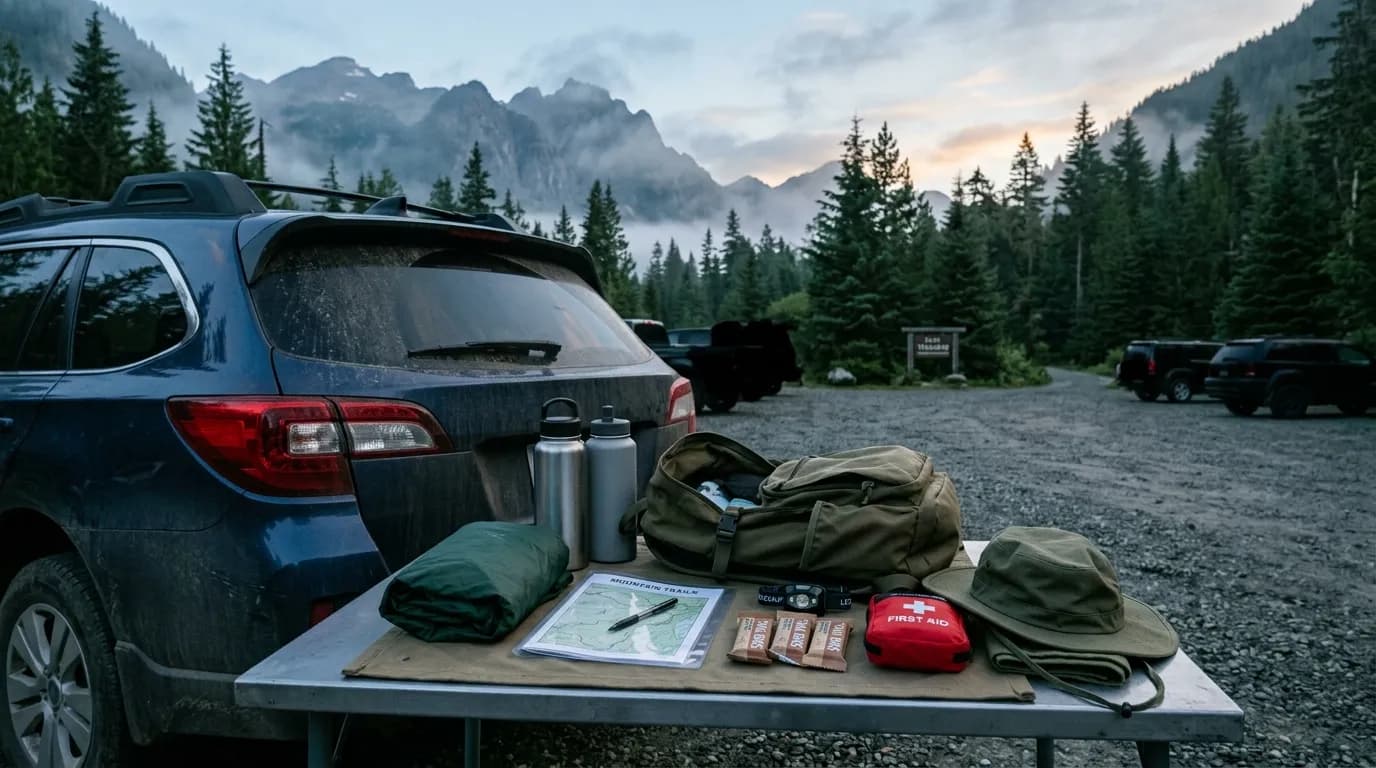
Keep the tent kit dedicated: tent, stakes, pad, bag, headlamp, and a single dry bag of sleep clothes that never go on trail muddy. Store boots under the vestibule with a mat to reduce dirt transfer. Morning speed comes from knowing exactly where each item lives.
Camp close enough to the trailhead to walk in the morning, but far enough to respect quiet rules if others sleep early. If you share a campground, introduce yourself to neighbors, keep voices low after dark, and avoid slamming car doors at 4:30 a.m.—a gentle close and pre-staged gear prevents the classic alarm of trunk latches echoing across pines.
Food, water, and smell management
Trailhead camping fails quietly when food attracts animals or smells soak into upholstery. Store food and scented items—sunscreen, toothpaste, wrappers—in hard-sided containers, bear boxes where provided, or locked trunks per local rules. Never leave coolers visible on seats if bears or raccoons patrol the area. Even without bears, rodents will explore open crumbs with enthusiasm.
Dinner near the car should be simple: something you can cook on a small stove or eat cold without generating a cleanup marathon. Boiling water for dehydrated meals is fine; elaborate camp kitchens steal sleep time. Wash dishes away from water sources if you are in natural settings, strain food particles, and pack out waste. Morning coffee can be a morale miracle; prep water in a bottle the night before if frost is likely.
Hydration planning crosses two days. Fill carry bottles for the hike, but also keep extra water in the car for post-hike recovery. Electrolyte mixes help when you slept poorly and still plan elevation. Pair that habit with the recovery guidance in recovery after a big hiking day so Sunday is not automatically a limp.
Evening arrival routine: ninety minutes that set up success
Arrive with enough light to choose a spot, inspect for slope and drainage, and organize gear without headlamp-only chaos. Level ground matters for sleep quality; a slight tilt becomes a headache by 2:00 a.m. Avoid low spots where rain collects. Note where bathrooms or privies are if they exist; midnight searches are underrated misery.
Run a tight evening sequence: park and note gate hours, set sleep space, eat, store food properly, lay out morning trail clothes, charge devices, review next day's weather and turnaround time. Check that permits and maps are in the same dry bag every time. If you follow weekend trail trip planning, most of this is already on your itinerary—car camping just adds the sleep layer.
Friday-to-Saturday handoff checklist
- Confirm alarm, backup alarm, and who wakes first.
- Stage trail snacks where they will not get crushed overnight.
- Fill primary water bottles; treat or filter if trail sources are uncertain.
- Check traction and layer choices against the morning forecast.
- Set shoes and socks where you will not step on them in the dark.
Morning transition: from sleep to trail in under forty-five minutes
The goal is a repeatable morning, not a heroic rush. Wake with enough time for bathroom, light food, and layer adjustments without sprinting. Eat something modest; heavy grease before a climb invites regret. Coffee is personal—just remember caffeine plus dehydration plus altitude is a cocktail some stomachs reject.
Pack the car or break camp in the same order every trip: sleep gear stowed first, trail pack checked against list, food secured, trash out. Walk to the trailhead register if required. Start hiking when the group is ready, not when one person has been standing impatiently tying shoes for twenty minutes. A calm start preserves decision-making for later miles.
If the lot filled overnight, you already have the best seat in the house. If you must move the car to a day-use section, do that before dawn crowds arrive. Know whether returning to the same spot is allowed post-hike or if you need to relocate before sunset Sunday.
Comfort, safety, and neighbor etiquette
Tell someone your overnight location and next-day route. Service may be weak at trailheads; a text sent while you still have bars beats assuming you will check in from the ridge. Carry a basic first aid kit in the car as well as on trail—blisters form while cooking dinner too. Keep a flashlight in the door pocket; headlamps walk away into bags.
Respect noise and light pollution. Other hikers sleep early for alpine starts. White lantern light across a lot is brighter than you think; use downward-facing red light. Conversations at normal volume carry in forest stillness. If you listen to music, use headphones only—always.
Temperature swings can be sharp. Damp clothes from a quick evening walk go in a ventilated bag, not your sleep space. Condensation on windows means ventilation needs tweaking, not necessarily that your sleeping bag failed. If weather turns severe overnight, have a bail plan: motel thirty minutes down the road, or delay start rather than hiking in active lightning.
When car camping is the wrong tool
Skip overnight trailhead stays when regulations forbid it, when your vehicle cannot provide safe sleep, or when forecast lows are beyond your gear without upgrading. Also skip it if the group includes someone who genuinely needs real sleep infrastructure for health reasons—forcing a bad night before a big hike increases injury risk and sour moods.
Sometimes a cheap motel near the trailhead is the optimal outdoor hack. You still win the early start without sacrificing rest. The goal is the hike, not proving toughness on gravel in a compact car.
Pack it down and leave the spot better
Before you drive to the trail or head home, scan the area for micro-trash: film tabs, straw wrappers, tie-down straps. Pack out what you pack in, and pick up one extra piece if someone else dropped it. Close gates, extinguish fires completely where allowed, and note anything broken or overflowing for the land agency—reporting full toilets or damaged signs helps the next visitor.
Seasonal differences at trailhead camps
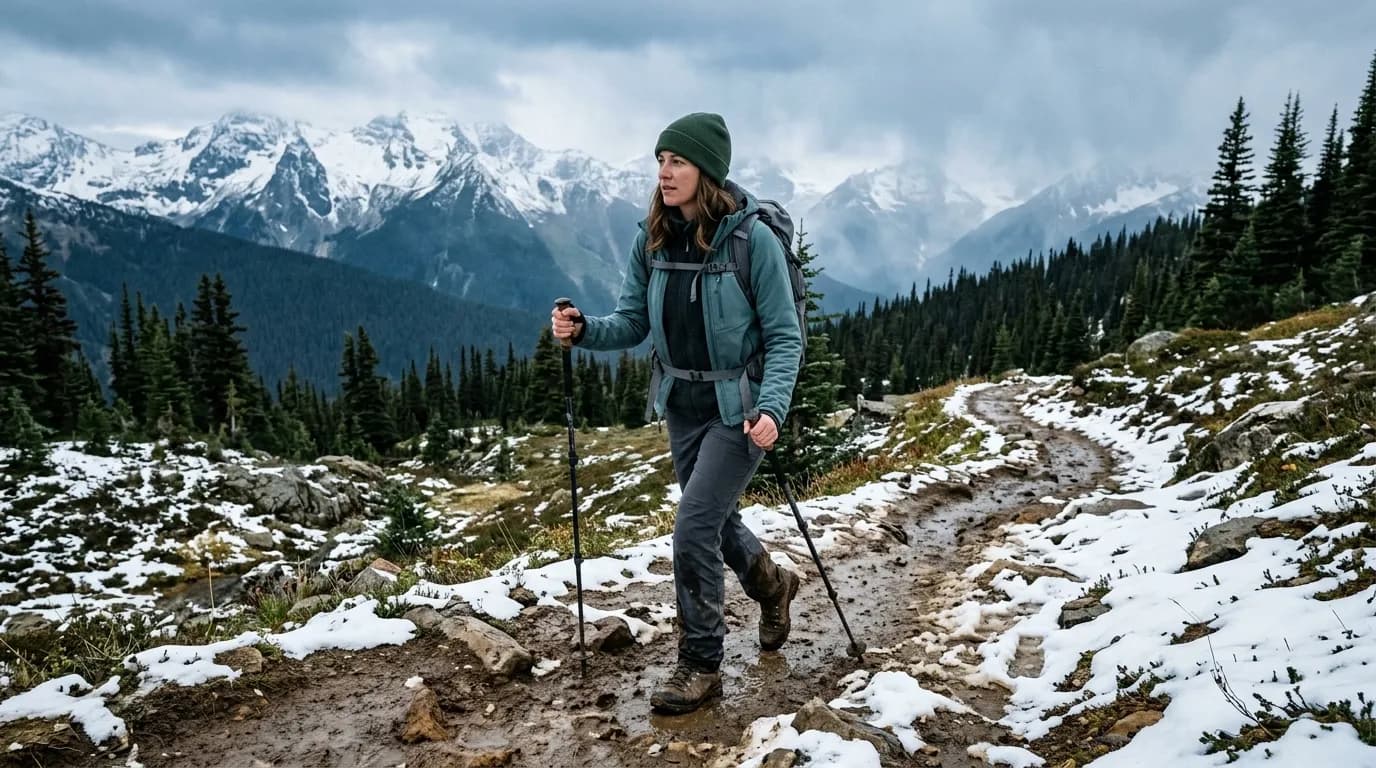
Summer weekends bring mosquitoes, heat in unshaded lots, and crowded adjacent campgrounds. Spring and fall bring sharper night temps and mud that tracks into sleep spaces. Winter car camping near trailheads works only with realistic insulation and legal access—many gates close. Match your sleep kit to the season, not to the warmest hour you felt when you left home.
Bug nets over open windows beat dousing yourself in repellent before sleep. In bear-active seasons, treat food rules as non-negotiable even when you are "just sleeping in the car." In fire-ban seasons, plan cold dinner or stove-only meals where allowed.
Hybrid plan: motel versus car versus tent
Compare three overnight options honestly: motel thirty minutes away, car at trailhead, tent at nearby camp. Motels win on sleep quality. Car wins on time and simplicity for solo or pairs. Tent wins when vehicle sleep is illegal or miserable and formal camps exist nearby. The cheapest option is not always the best value when Monday productivity matters.
Car camping near trailheads is not glamorous. It is practical. With clear rules, a compact sleep kit, smart food storage, and a morning routine borrowed from your wider weekend plan, you buy back hours of daylight and calm. Sleep closer, start fresher, hike longer where it matters—and save the big recovery conversation for after the miles, not before the first step.
Frequently Asked Questions
Is sleeping in my car at a trailhead legal?
Only where land managers allow overnight parking or camping. Many day-use lots ban overnight stays. Use designated campgrounds, posted overnight areas, or legal dispersed sites. When signs are unclear, assume no and choose a legal camp loop nearby rather than gambling on a ranger knock at 5 a.m.
What is the minimum kit for car camping near trails?
A sleep system, enough insulation for the forecast low, food storage that matches wildlife rules, a headlamp, and a staged morning kit. Skip a full kitchen if cold breakfast works. Comfort must be good enough that you sleep; luxury can wait until the setup proves useful across several weekends.
How do I stay warm without running the engine?
Insulation under and over you beats idling. Use a closed-cell pad under your sleeping pad, dry socks, a hat, and a bag rated honestly for the night. Crack ventilation to reduce condensation. Never sleep with a running engine in an enclosed space—carbon monoxide risk is not theoretical.
Can I leave food and gear in the car during the hike?
Yes if you hide valuables and follow local food-storage rules. Visible coolers attract break-ins and wildlife attention. In bear country, use required lockers or canisters even for car-adjacent food when regulations say so. Stage dry clothes for post-hike so you are not digging through a chaos pile with cold hands.
When is a motel smarter than car camping?
When lows exceed your gear, sleep quality will wreck the hike, or overnight parking is illegal. A cheap motel thirty minutes away can still deliver an early start with better recovery. Pair overnight choices with weekend trip planning and recovery after a big hiking day so day two stays optional, not obligatory punishment.