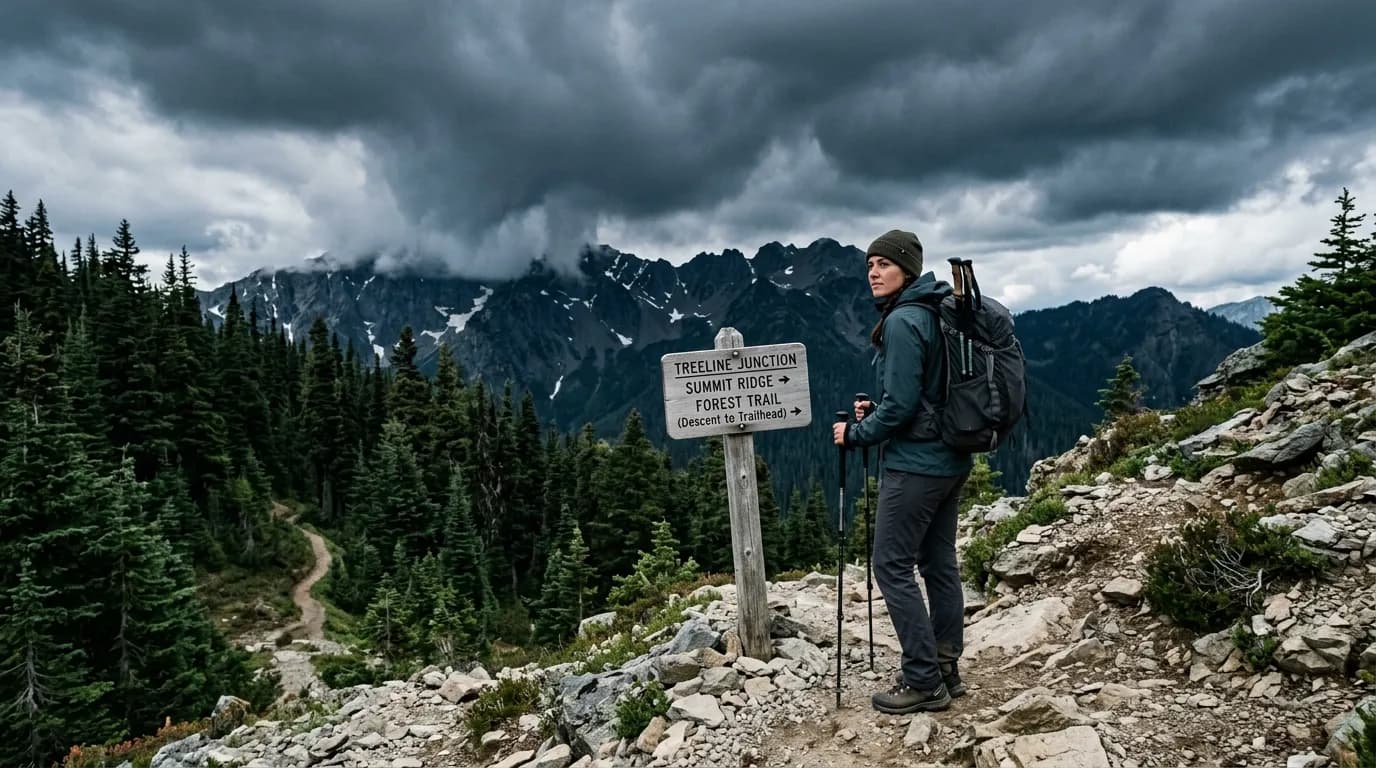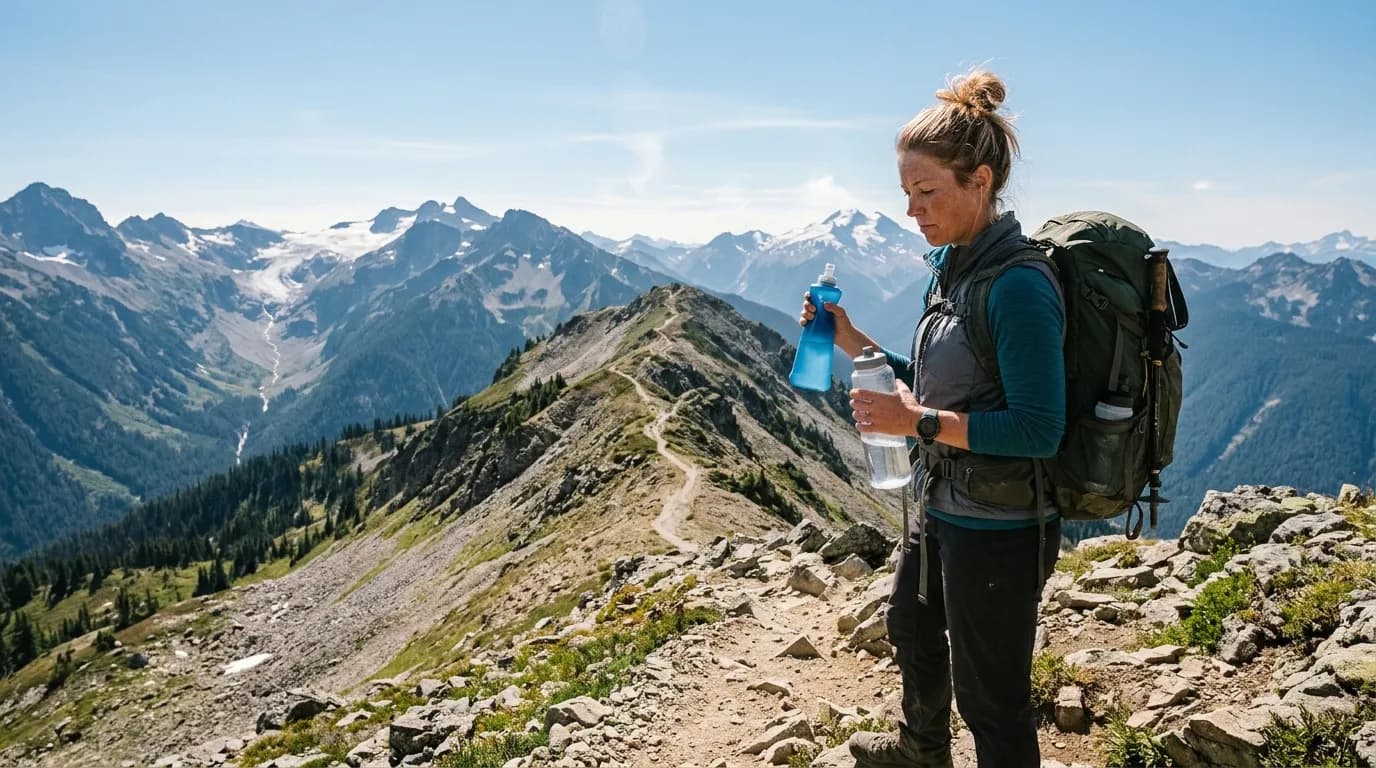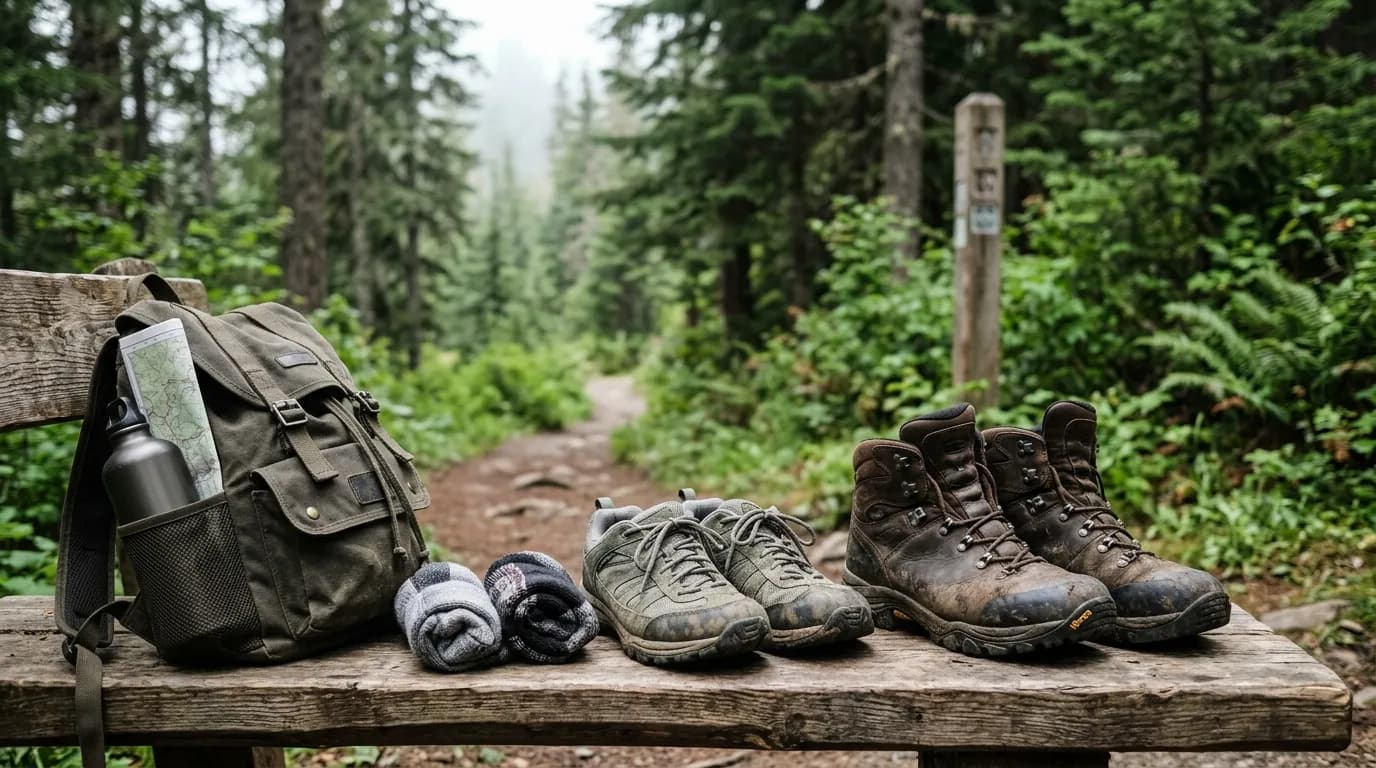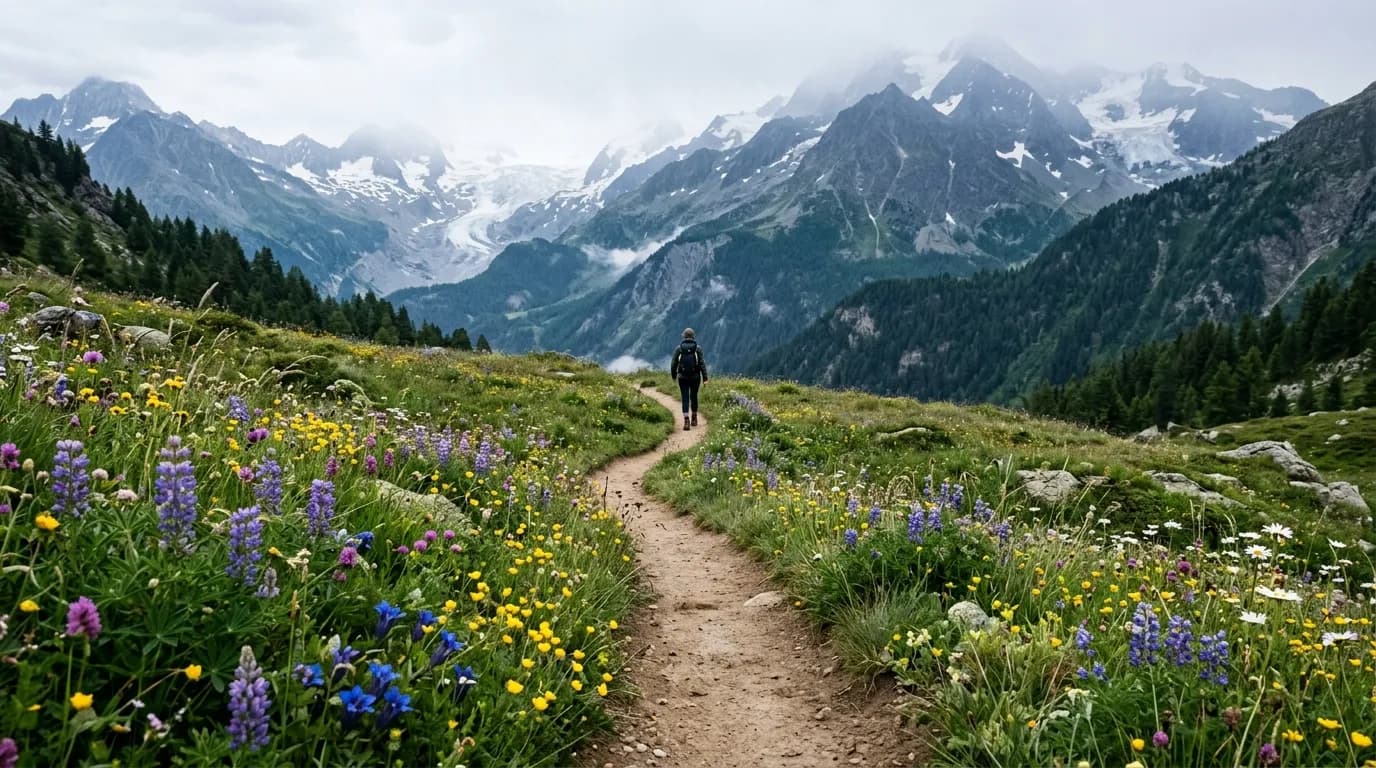
On a crowded spring Saturday, the switchbacks above the valley carried the usual soundtrack: boots on gravel, a dog's tags chiming, someone laughing at a photo stop. Then, tucked into a hairpin where the trail narrowed to a single file line, a orange peel sat on a rock like it had been placed for still-life photography. Citrus does not "return to nature" on a temperate forest trail in a week the way folklore suggests. It sits, dries, attracts attention, teaches the next passerby that someone else left food waste here, so maybe scraps are normal. Leave No Trace is not a lecture from a distant wilderness agency. It is the habit of making your day hike invisible once you walk away—except for the footprints that fade by evening.
Day hikers visit trails in huge numbers. Short trips feel low-impact compared to multi-day backcountry camps, but concentrated foot traffic, social media geotags, pet waste, and snack wrappers add up fast on popular paths. The seven Leave No Trace principles translate cleanly to hikes that start after breakfast and end before dark. This guide explains each principle in plain language, gives day-hiker-specific examples, and offers a starter plan for building habits that protect the places you enjoy. Safety still comes first—see solo day hike safety checklist for trip planning—but how you treat the trail affects everyone who follows your boot prints.
What Leave No Trace Means
Leave No Trace (LNT) is an ethics framework for outdoor recreation: minimize damage to land, water, wildlife, and other visitors. It is not about perfection or shame. It is about predictable, repeatable choices—where to step, where to pee, what to pack out, how loud to be—that keep shared places healthy as use grows.
The Center for Outdoor Ethics outlines seven principles. You do not need to memorize jargon. You need practical defaults for day hikes.
Principle 1: Plan Ahead and Prepare
Preparation prevents accidental harm. For day hikers, that looks like:
- Reading trail regulations (dogs allowed? permits? closed sections?)
- Checking weather and trail conditions so you do not need emergency shortcuts through fragile areas
- Knowing if water is scarce so you are not unprepared and cutting unsafe paths looking for it
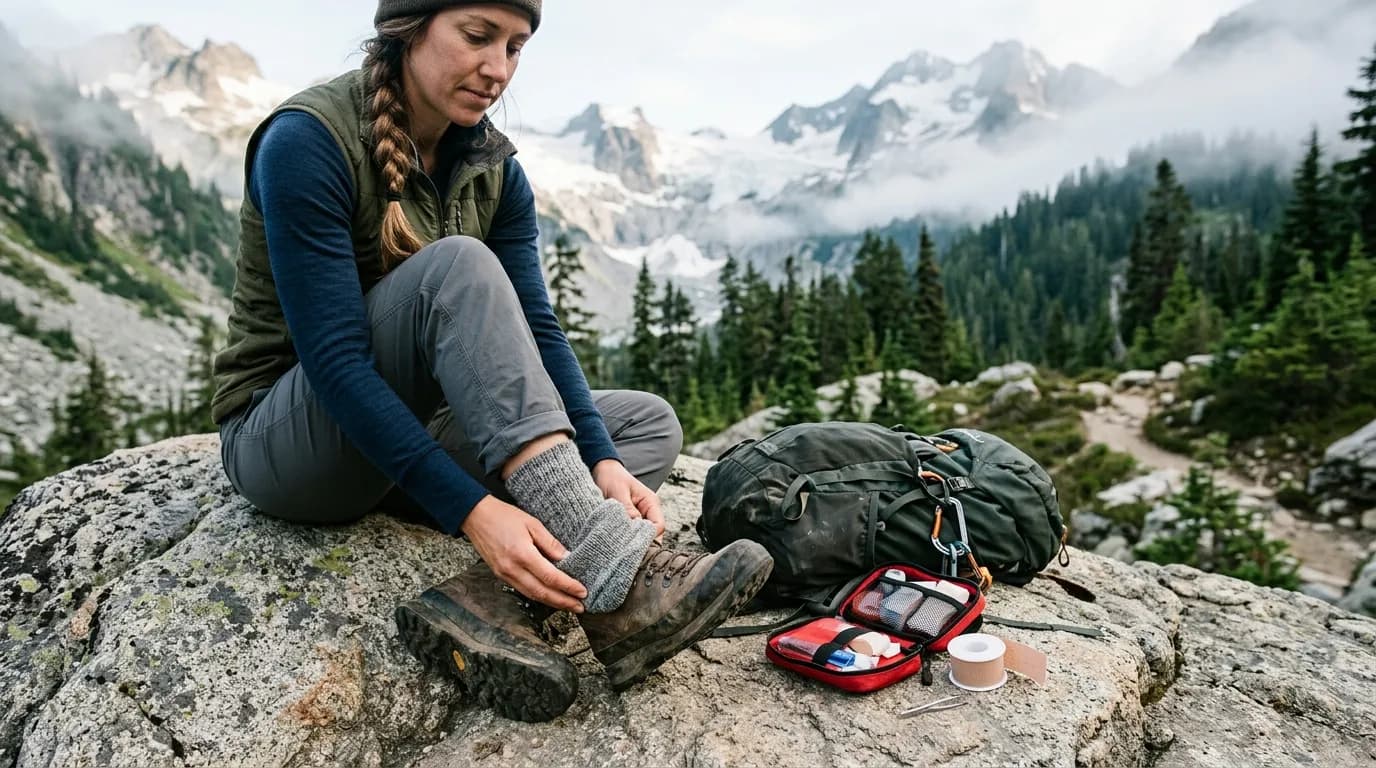
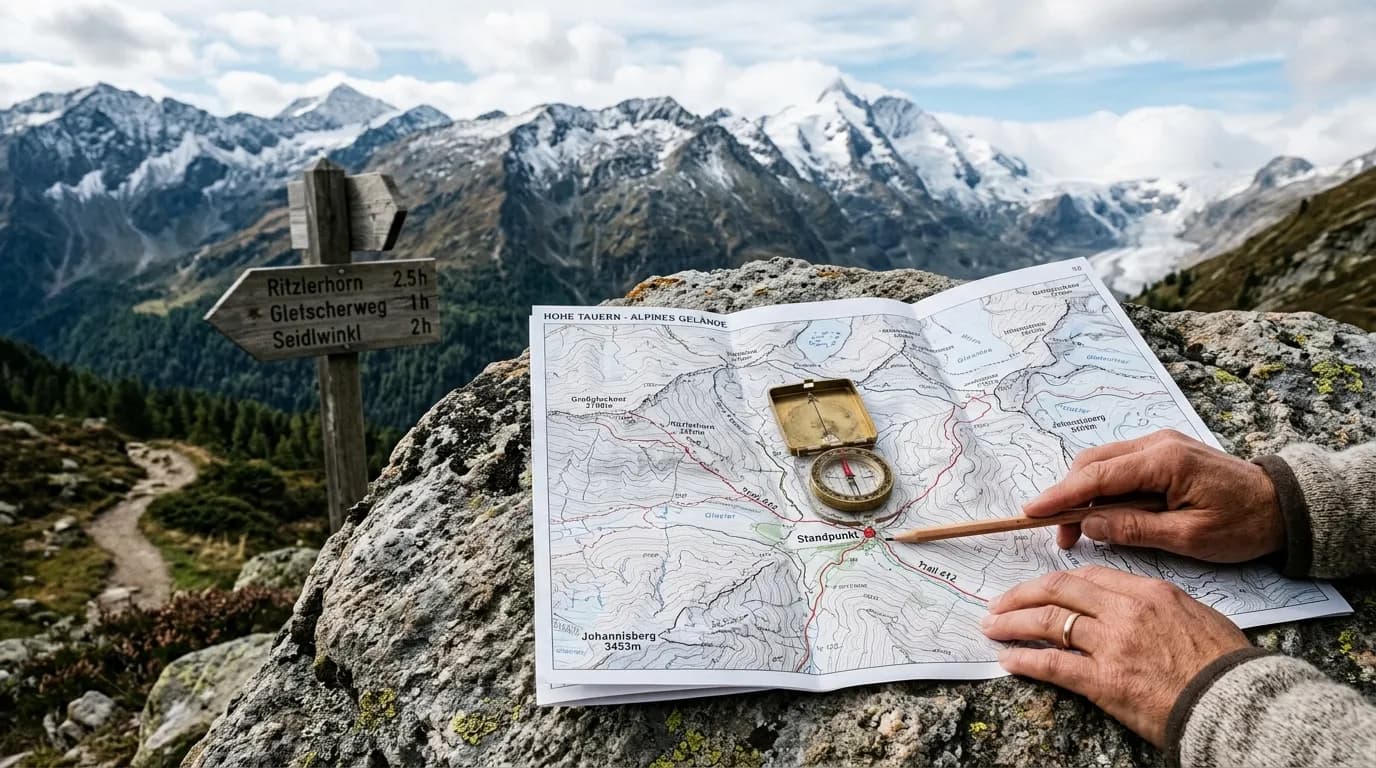
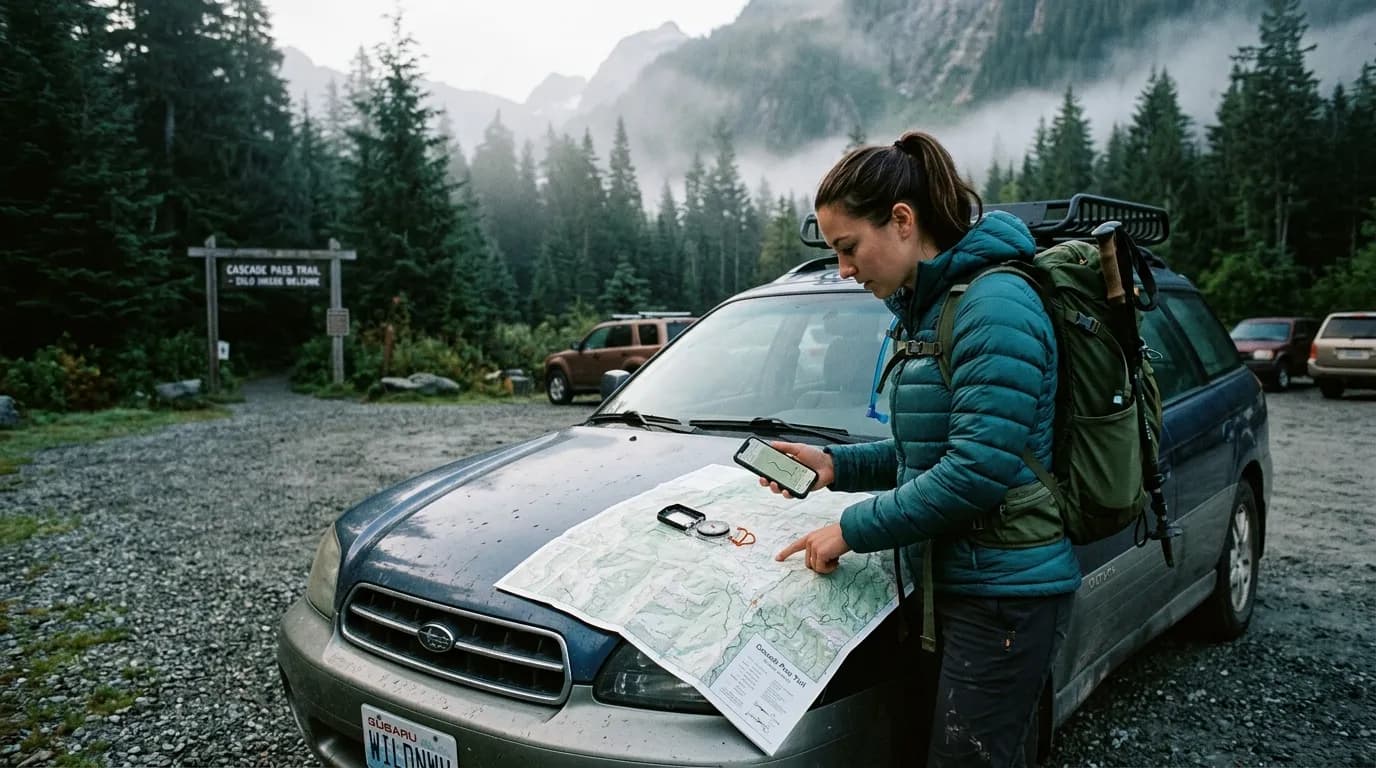
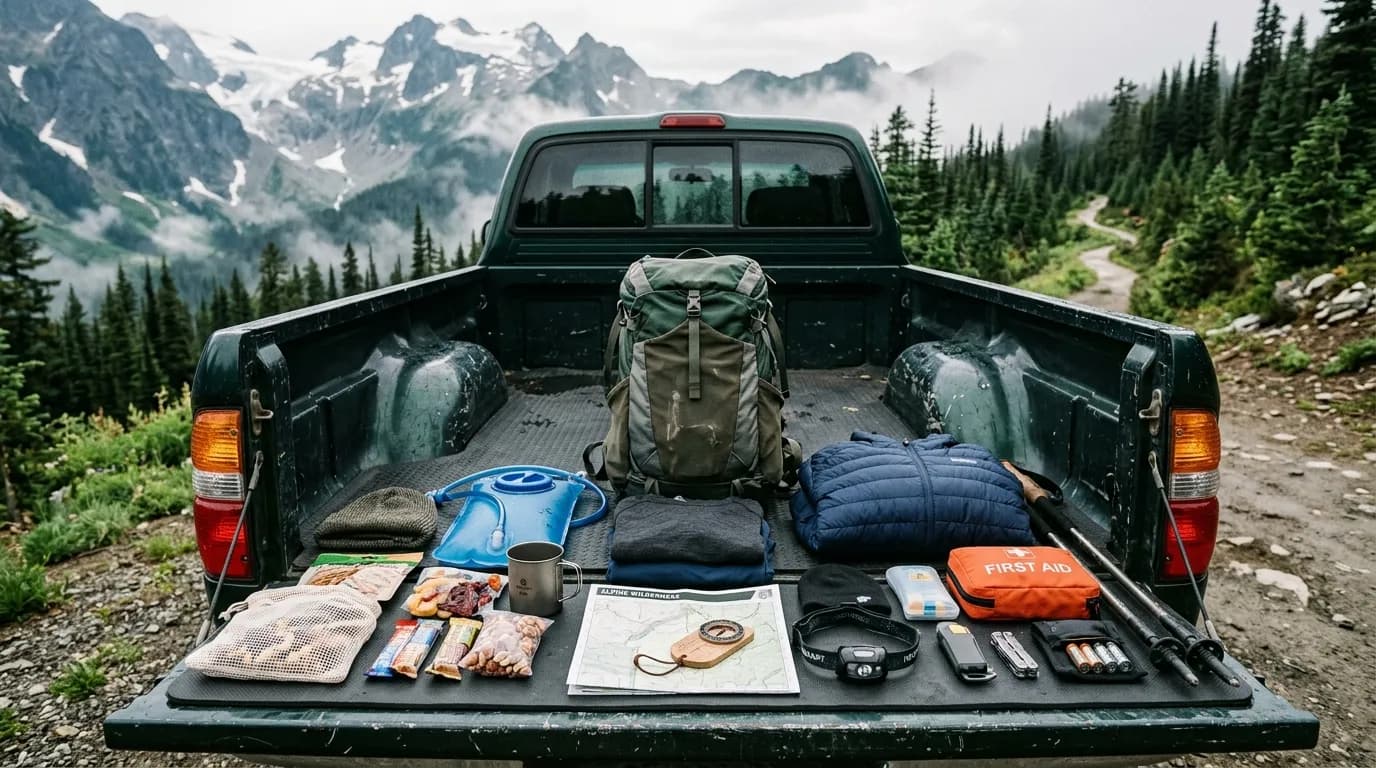
- Packing a complete day hike kit including trash bag, toilet supplies, and navigation backups
- Choosing footwear and routes matched to your ability so you avoid creating social trails by bushwhacking when tired
Prepared hikers leave fewer accidental impacts—fewer fires built in panic, fewer shortcuts down loose slopes, fewer SAR responses that trample recovery zones.
Principle 2: Travel and Camp on Durable Surfaces
Day hikers usually stay on established trails. The job is simple until it is not:
- Stay on the tread — Walk through mud if the trail goes through mud, not around it widening the path.
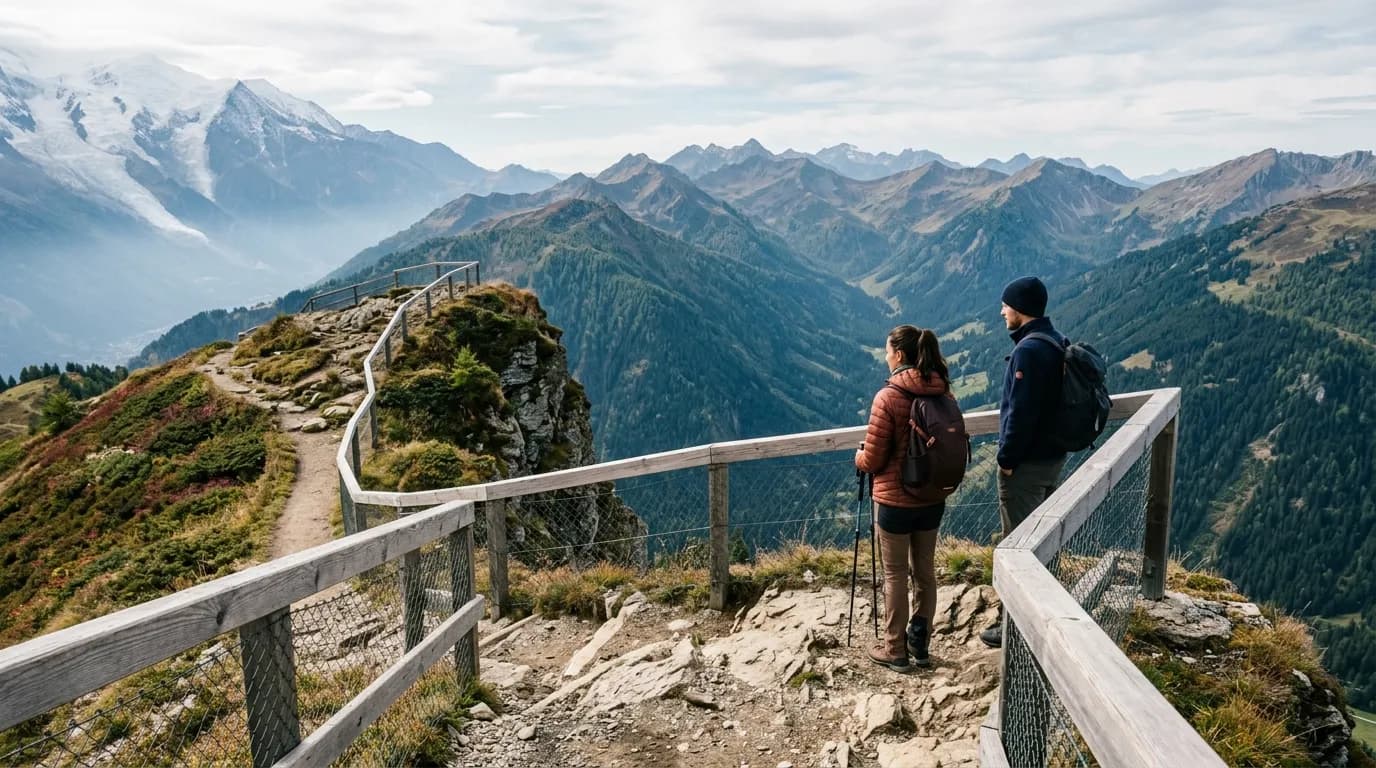
- Single file on narrow sections — Spread out only where surfaces are durable and off-trail travel is explicitly allowed.
- Rock and dry grass vs cryptobiotic soil — Desert crusts and alpine meadows bruise easily. Step on stone or existing paths.
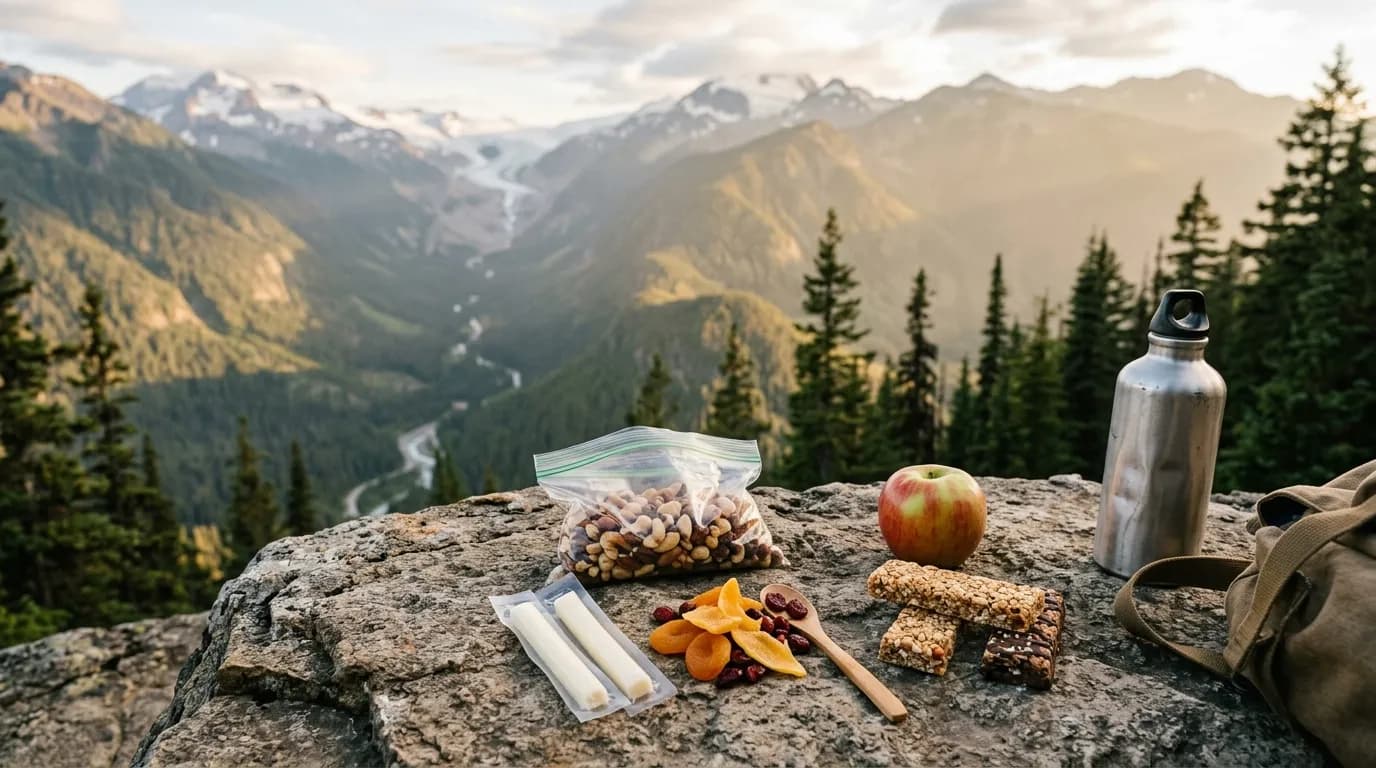
- Lunch stops — Rest on durable ground: rock slabs, established viewpoints, picnic areas—not wildflower patches.
Social trails—unofficial shortcuts—start one person at a time. Declining them keeps hillsides from becoming braided scars.
Principle 3: Dispose of Waste Properly
If you packed it in, pack it out. That includes:
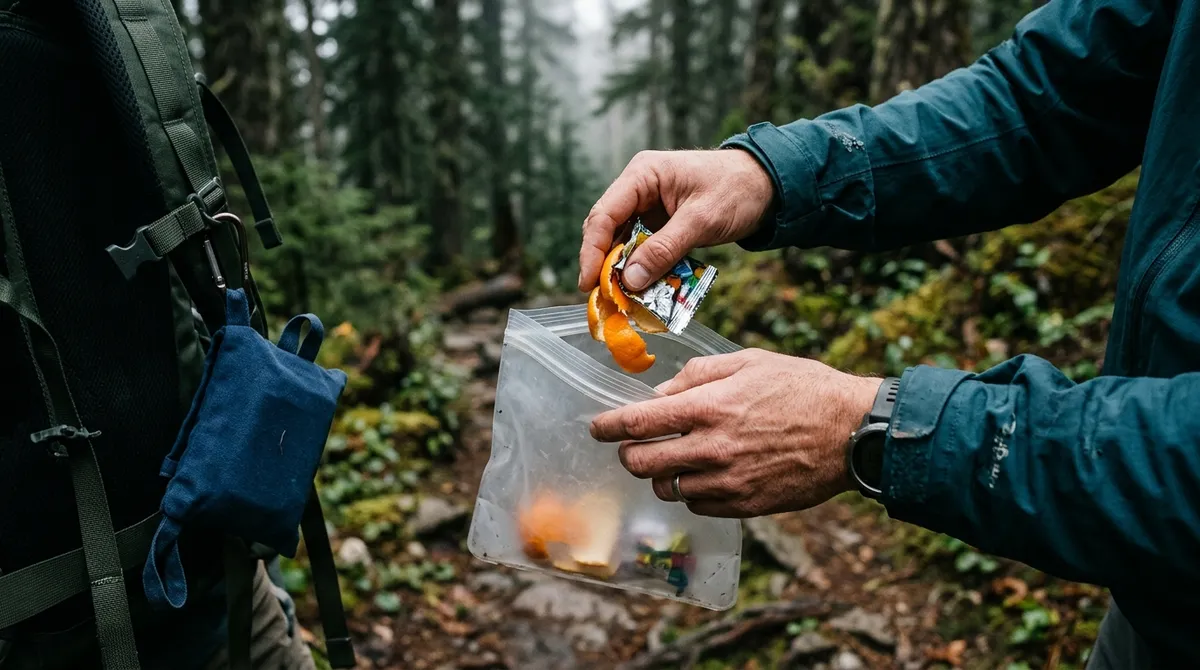
- Snack wrappers, fruit cores, nut shells, and micro-trash like tear strips
- Used toilet paper and hygiene products in a sealed bag when burying is impractical or prohibited
- Orange peels, apple cores, and banana skins — they belong in your trash bag, not on trail
- Pet waste where rules require pack-out, not bag-and-leave on the side of the path
Human Waste on Day Hikes
Busy day-use corridors sometimes lack facilities. When nature calls away from toilets:
- Walk at least 200 feet (about 70 steps) from water, trail, and camp areas
- Dig a cathole six to eight inches deep in mineral soil where regulations allow
- Cover after use and pack out toilet paper in fragile or high-use zones if required locally
- Follow alpine, desert, or river corridor rules that may mandate pack-out entirely
Check land manager guidance before assuming bury is fine. Some popular day-hike peaks require wag bags even for short trips.
Principle 4: Leave What You Find
Take photos, not objects:
- Do not stack rocks into cairns for fun where they confuse navigation or scar sites
- Leave wildflowers, antlers, stones, and historical artifacts in place
- Do not carve trees or scratch initials into shelters
- Do not build furniture structures or fire rings on day-use trails
The memento is the memory—and the photo on your phone with airplane mode maps, not the pocketful of petals that wilt by dinner.
Principle 5: Minimize Campfire Impacts
Most day hikers do not camp, but fires still appear at roadside pullouts and established viewpoints. On day trips:
- Skip fires unless in designated rings where they are explicitly allowed and safe
- Never build new rock rings in alpine or forest duff
- Assume fire bans in dry seasons apply to you even for a "small" quick flame
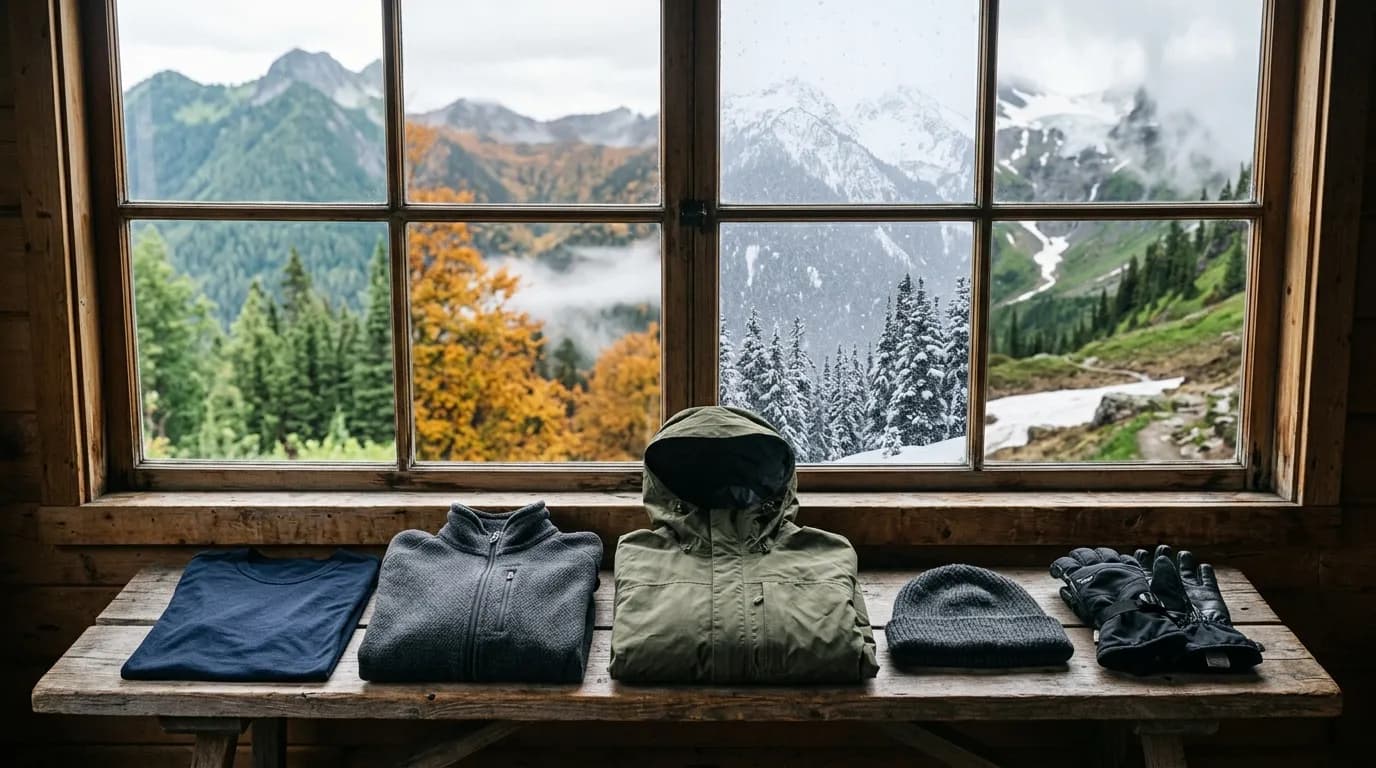
- Pack a headlamp and extra layer instead of fire for warmth on late returns
Wildfire risk and charcoal scars outlast your lunch break.
Principle 6: Respect Wildlife
Day hikers encounter wildlife at the edges of dawn and dusk—deer, birds, marmots, snakes, bears in some regions. Respect looks like:
- Observing from distance with binoculars or zoom, not pursuit for a photo
- Storing food and scented items per local rules; never feeding animals
- Keeping dogs leashed where required and under voice control elsewhere
- Yielding calmly on snake crossings—give space, do not poke
- Making noise in bear country so you are not a surprise; carrying spray where recommended and knowing it is a last resort, not a substitute for smart food handling
Food-conditioned wildlife becomes dangerous wildlife. Your granola bar is not worth that outcome.
Principle 7: Be Considerate of Other Visitors
Trails are shared social space. On popular day hikes:
- Yield politely — Uphill hikers often have right-of-way on narrow grades; bikes and runners vary by local custom—read signs.
- Headphones or low volume — Not everyone wants your playlist on a ridgeline.
- Group spacing — Large groups spread so they do not block the trail continuously.
- Photography courtesy — Do not block paths for shots; ask before including strangers prominently.
- Quiet voices near others — Especially at overlooks and wildlife viewing spots.
Consideration is Leave No Trace for human ecosystems—morale, safety, and the feeling that public land welcomes newcomers.
Day Hiker Scenarios: What Good Looks Like
Busy Urban-Edge Trail
Pack out all trash including fruit waste. Leash dogs. Stay on tread through mud puddles. Park only in designated spaces. Early starts reduce crowding but do not exempt you from rules.
Alpine Day Hike
Stay on rock where trails demand it. No cairn building. Pack out toilet paper if soil is too shallow to bury responsibly. No flower picking for summit photos.
Desert Day Hike
Protect cryptobiotic crust—one footstep off trail can take decades to heal. Carry all water; do not disturb tinajas or wildlife water sources. Heat planning reduces emergency impacts.
Coastal or Lakeshore Trail
Respect nesting closures. Pack out everything including biodegradable scraps that attract gulls and raccoons. Rinse sunscreen from skin before swimming only where allowed and without polluting sensitive shallows—follow local guidance.
Starter Plan: Build Leave No Trace Habits
Hike 1 — Trash audit: Carry one dedicated zip bag for all wrappers and personal litter. Note how much accumulates on a short loop. Practice eating without dropping micro-trash.
Hike 2 — Mud and yield drill: Commit to walking through one muddy section instead of widening trail. Yield once consciously to uphill or faster hikers with a friendly word.
Hike 3 — Lunch spot choice: Pick a durable rest site. Pack out every scrap including "natural" peels. If dogs join, comply with waste rules completely.
Ongoing: Before posting geotagged photos of fragile or overcrowded spots, consider whether the tag will send a surge of visitors off-trail. Share principles with new hiking partners without lecturing—invite them to pack a trash bag too.
Common Mistakes Day Hikers Make
- Leaving "natural" food waste — It is still litter and alters animal behavior.
- Stepping off-trail for shortcuts on switchbacks — Erosion follows repetition.
- Playing music on speakers — Sound travels; headphones exist.
- Ignoring dog rules — Even friendly dogs disturb wildlife and other visitors.
- Taking rock cairn selfies where cairns are not needed — Navigation confusion and visual clutter.
- Assuming day use means low responsibility — Concentrated short visits dominate impact on many peaks.
- Building fire rings at viewpoints — Scarce, illegal in many places, high risk.
FAQ
Is Leave No Trace only for wilderness areas?
No. It applies to city parks, suburban open space, national parks, and local footpaths. Impact scales with use; popular day-hike trails need LNT as much as remote camps.
Can I bury apple cores if I dig a hole?
On many busy day-hike corridors, the better default is pack-out. Wildlife dig up buried food. In high-use areas, managers often prefer you treat food scraps like trash.
What about biodegradable wipes?
Pack them out unless a land agency explicitly allows otherwise. "Biodegradable" is not instant, and wipes clog ecosystems and facilities when discarded improperly.
Should I pick wildflowers for a photo bouquet?
No. Leave flowers for pollinators and the next visitor's view. Photograph in place.
Are drones part of Leave No Trace?
Many parks restrict or ban drones. Noise and wildlife disturbance violate the spirit of consideration and respect even where rules are unclear. Check regulations.
How do I teach kids Leave No Trace without killing the fun?
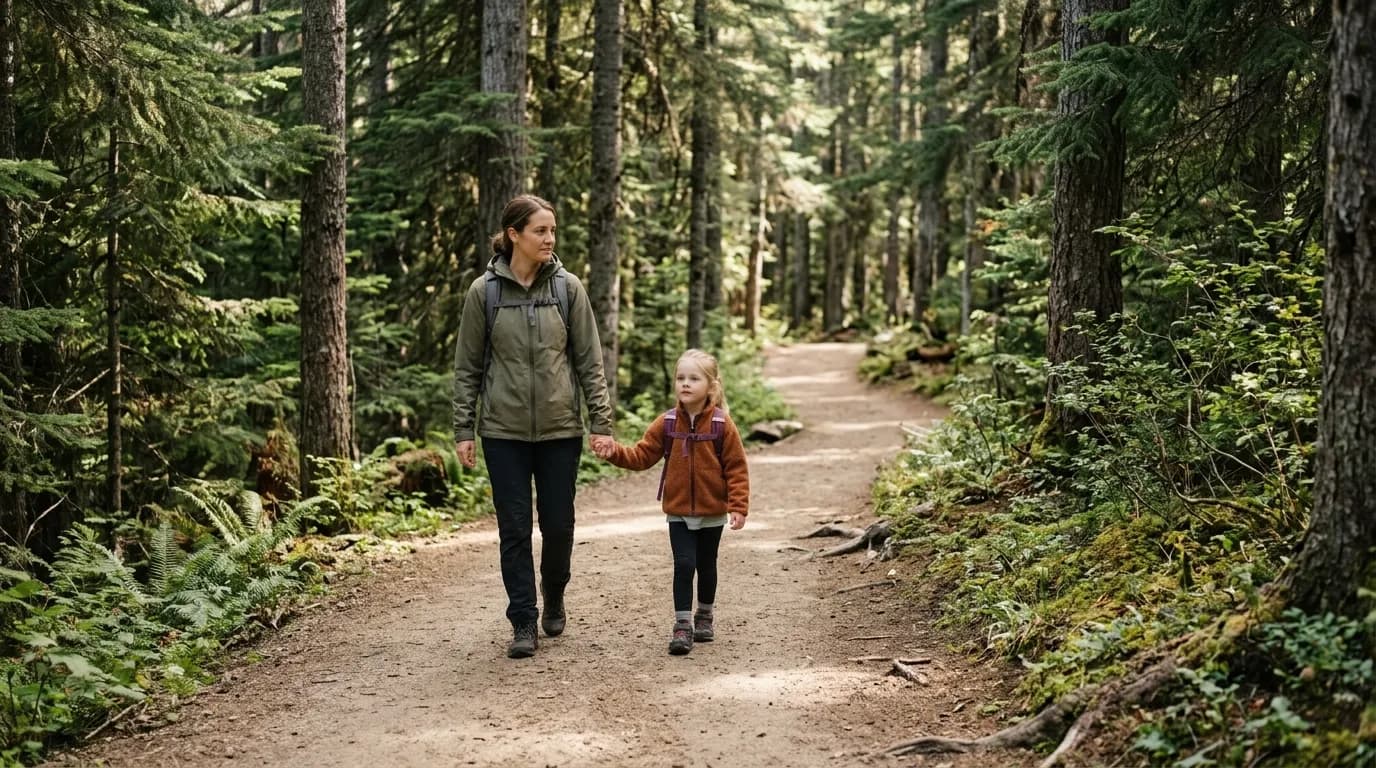
Make it a game: who packs the tidiest lunch, who spots litter to pack out safely (adults handle sharp items), who picks the best durable lunch rock. Kids often embrace stewardship when it feels like team mission, not scolding.
Social Media, Geotags, and Loving a Place to Death
Day hikers discover spots through Instagram reels, AllTrails lists, and friend tags. Sharing beauty is natural; unintentionally sending a flood of visitors to fragile meadows is also real. Consider generalizing location tags on sensitive or overcrowded trails, emphasizing LNT in captions, and avoiding step-by-step instructions that encourage off-trail “secret angle” photography. A viewpoint can handle admiration; it may not handle fifty new social trails per season carved by people chasing the same frame.
If you volunteer or join trail maintenance days, you see the downstream cost of small choices aggregated: fire scars, wrapper lines at rest stops, compacted soil widening paths. Day hikers who never overnight still benefit enormously from maintained tread—giving time or donations to trail orgs is Leave No Trace at community scale.
When Rules and LNT Diverge
Posted regulations sometimes exceed generic LNT guidance. Dogs banned? That rule wins over your friendly lab’s usual welcome on other trails. Campfire prohibited in a picnic zone? Do not interpret Principle 5 as permission because you are cold. Permits, group size limits, seasonal closures, and tribal land boundaries are legal and cultural boundaries too. When in doubt, ask rangers or read the kiosk board slowly before stepping past it.
International visitors and urban new hikers may not grow up with the same outdoor vocabulary. Modeling calm compliance teaches more than correcting strangers on switchbacks—though a gentle “heads up, muddy section ahead—easier through the middle” helps community more than silent judgment. If you bring speakers, remember that sound carries uphill; headphones keep your playlist from becoming everyone’s soundscape.
On out-and-back day hikes, what you do on the way in repeats for every group behind you on the way out—leave each viewpoint slightly cleaner than you found it when safe to pick up litter with gloves or sanitizer afterward. Teach newer hikers by example: pause to let others pass safely, crouch when tying shoes so you do not block narrow tread, and close gate fixtures on ranch crossings where posted.
Related Reading
- Solo Day Hike Safety Checklist — plan ahead as Principle 1 recommends
- Day Hike Packing List for Beginners — include toilet paper, trash bag, and navigation
- Best Trail Snacks for Day Hikes — pack out every wrapper
- Hiking With Kids: First Day Hike Plan — teach LNT early on easy trails
Regulations differ by jurisdiction. Always follow posted rules from land managers—they may be stricter than general LNT guidance. This article is educational, not legal advice.
Leave No Trace on a day hike is mostly small decisions made quickly: peel in the bag, boots in the mud, dog on the leash, voice lowered at the overlook. Stack enough of those decisions across a season and the trail you love stays recognizable for the hike after yours.
Day-Hiker LNT Field Card
Before you leave the car, run a thirty-second card: know the rules for dogs and drones, pack a spare bag for trash you did not create, confirm you will stay on durable surfaces, and agree that music stays in headphones if used at all. On trail, walk through the center of mud when safe, give wildlife space, and keep snack stops on rock or packed dirt. At the car, check pockets for wrappers and shake out seeds before you drive to another trail system.
Teach the same card to new partners without shame. Modeling beats scolding. When someone drops a peel, pick it up together and keep walking. Day hikers are the majority of visitors on many paths—your defaults matter more than rare alpine epics. One calm habit repeated across a season keeps busy trails looking like trails.