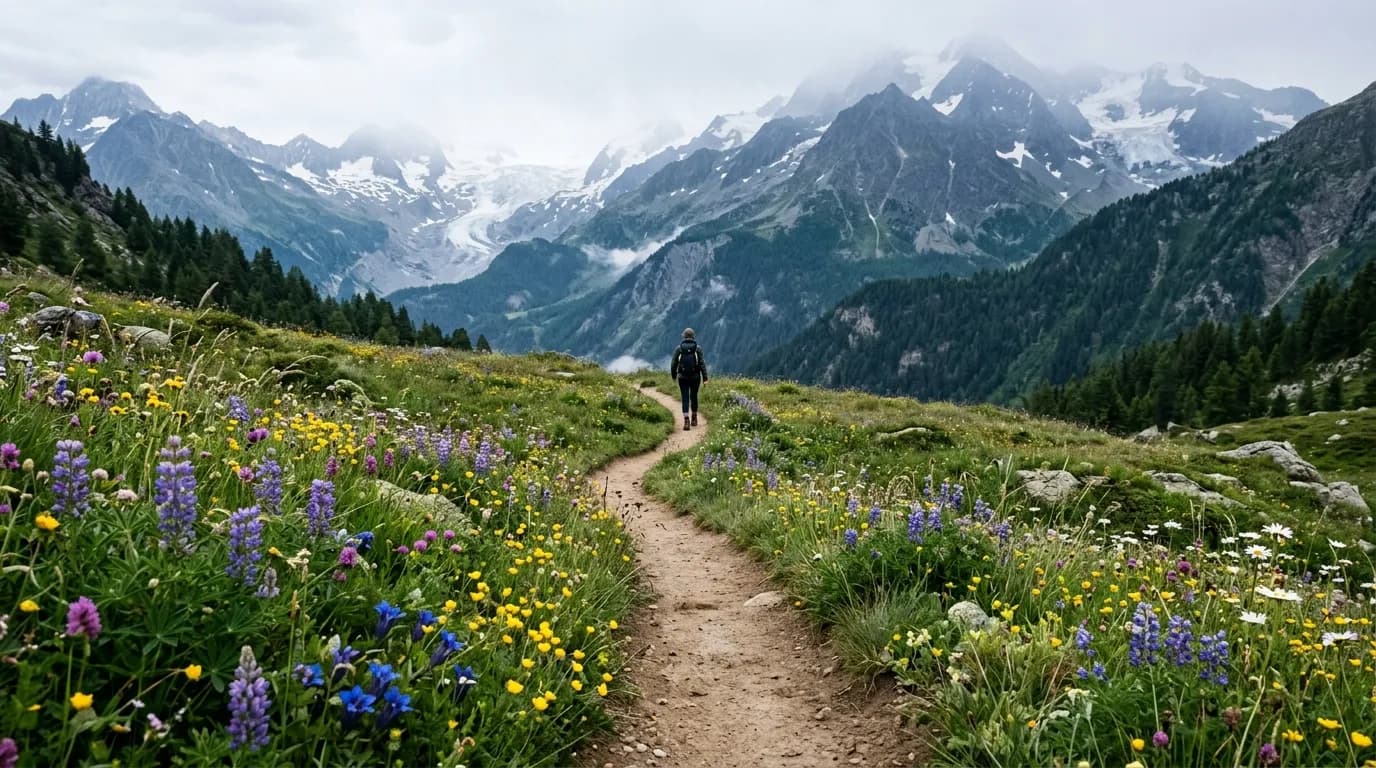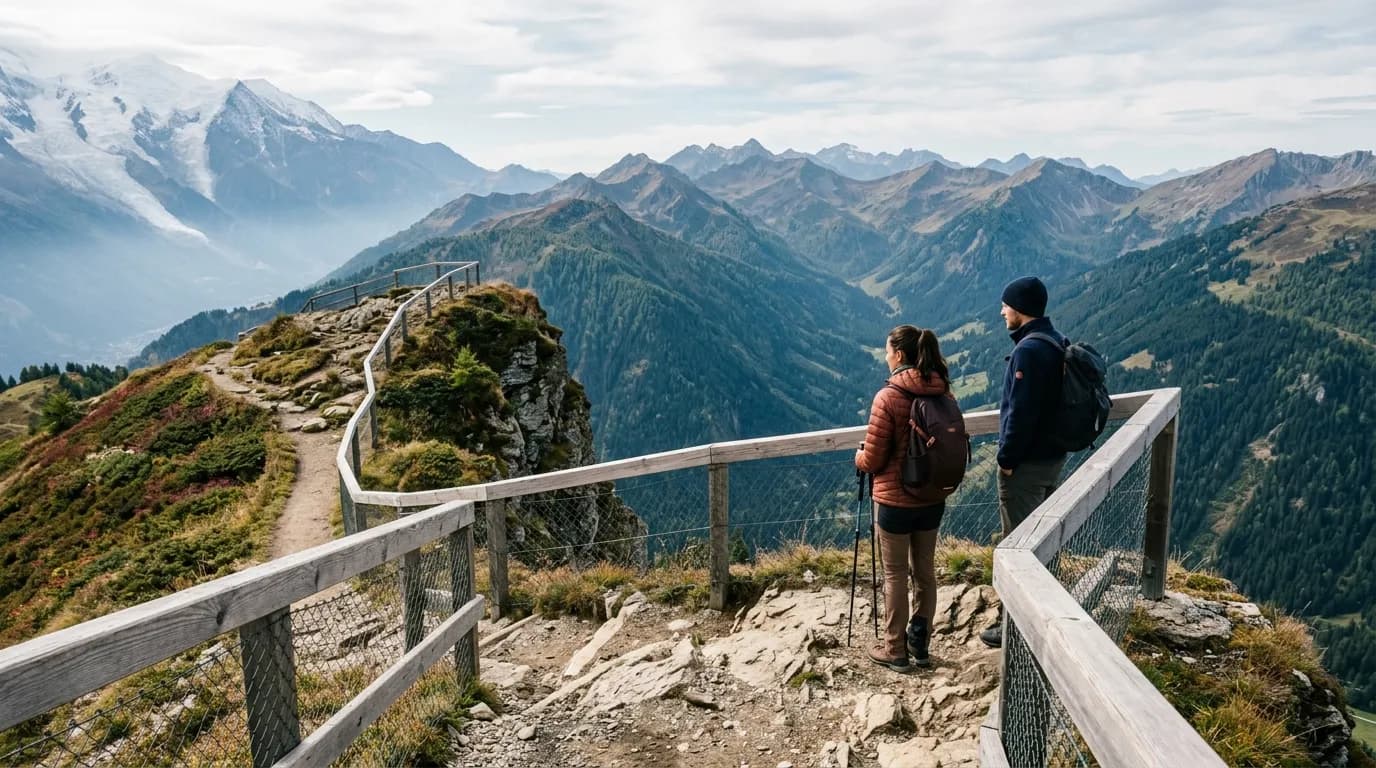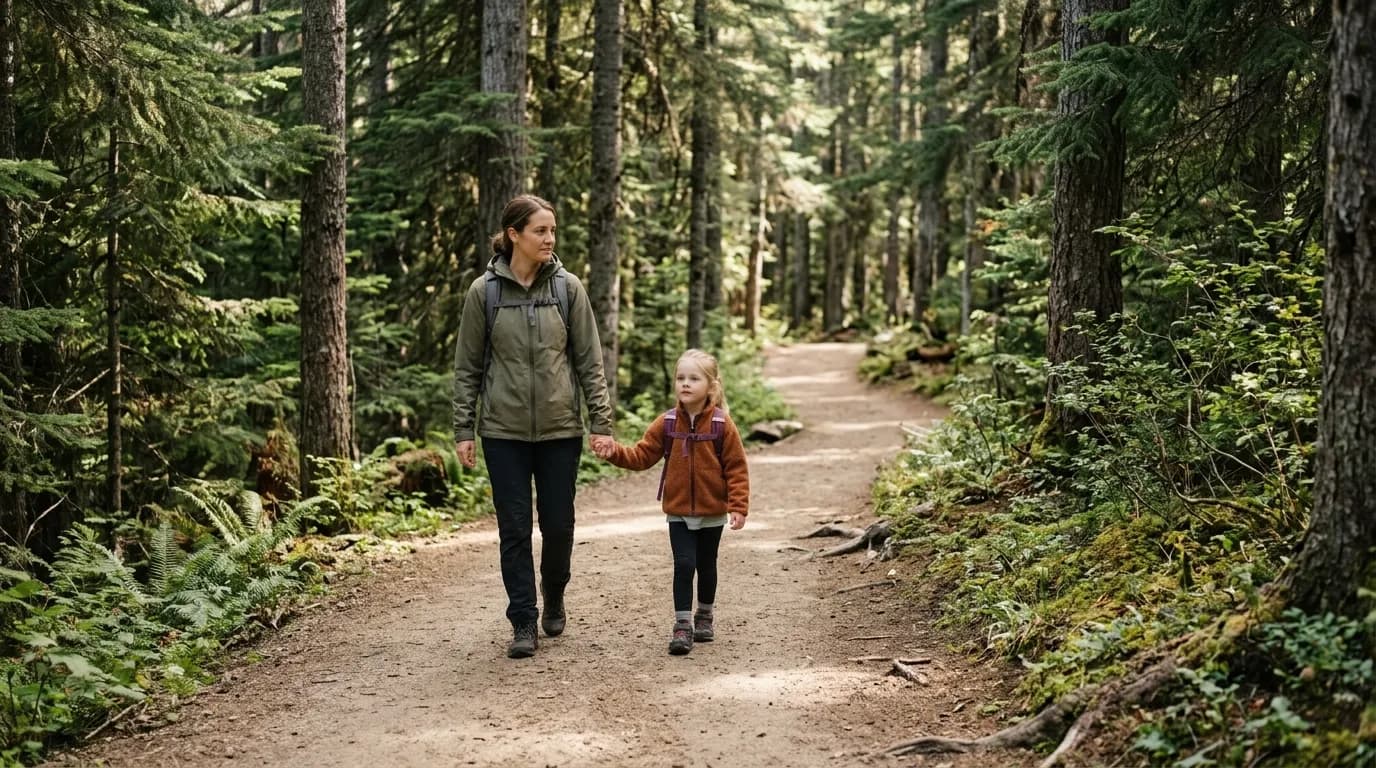
The first hike I took with my niece was supposed to be three miles. We turned around at one because she discovered that every flat rock was also a throne, every creek a laboratory, and every switchback a reasonable place to ask about snacks. I arrived at the trailhead with a mileage goal. She arrived with curiosity. We both learned something: a kid's first day hike succeeds when the trail fits their legs and attention, not when it fits an adult's idea of a "real" hike. The win was not distance. The win was that she asked to go again next month.
Hiking with kids is day hiking with different math. Distance shrinks, breaks multiply, water and snacks become morale tools, and the best viewpoints are often at kid height—a mushroom cluster, a beetle crossing the path, a bridge over a stream. This guide offers a calm first-day plan: choosing a trail, packing smart, pacing without power struggles, and building habits that respect both safety and wonder. Pair it with choosing a first peak or viewpoint hike for route ideas and with foot-care basics in blister prevention because small feet blister too.
What Makes a First Kids' Hike Different
Adult-first hikes optimize for elevation gain, miles, and summit photos. Kid-first hikes optimize for:
- Manageable distance and gain — Short loops beat point-to-point marches.
- Features along the way — Water, bridges, interpretive signs, shade, boulders—not just a payoff at the end.
- Predictable surfaces — Avoid sheer exposure, loose scree, and long unbroken climbs on hike one.
- Exit options — Loops or out-and-backs where you can shorten if mood or weather shifts.
- Adult expectations set low — Success is positive association, not a number on a fitness app.
Kids who enjoy hike one become teenagers who tolerate longer routes. Kids pushed too far too early remember the misery, not the view.
Choosing the Right Trail
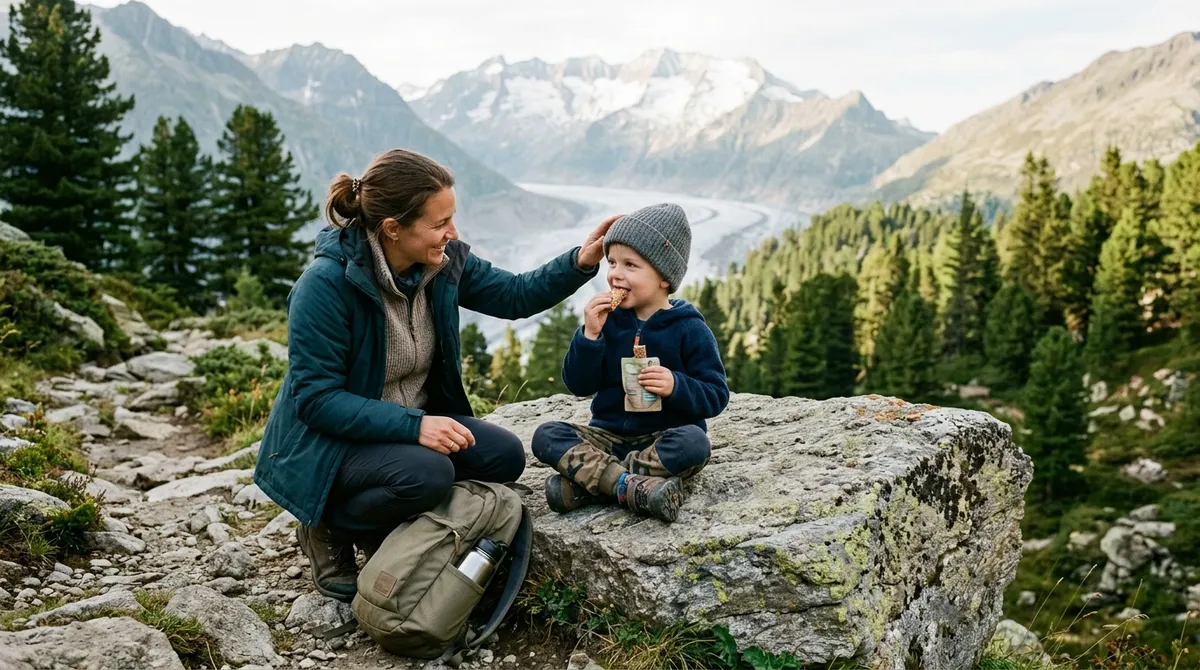
Aim for roughly one to three miles total for many first hikes with school-age kids, less for preschoolers who still nap. Flat or gently rolling terrain beats steep staircases carved into mountainsides. Shade helps in warm months; wind-protected routes help in cold.
Look for:
- Official family-friendly or nature trail designations
- Restrooms or pit toilets at trailhead (game-changer with newly potty-trained hikers)
- Clear marking and moderate popularity—empty wilderness sounds romantic until you are alone with a tired five-year-old and a twisted map
- Legal access for strollers or carriers if you use them—wide gravel paths exist in many parks
Our guide to picking a first peak or viewpoint helps filter scenic goals by difficulty. For hike one, favor the viewpoint you reach in forty minutes over the summit that demands a half-day grind.
When to Go and How Long to Stay
Start early in summer to beat heat and crowds. Start mid-morning in winter so fingers and toes warm with the sun. Avoid pushing through hungry hours—schedule around snack times kids already expect at home.
Plan elapsed time at roughly double what adults alone would take for the same distance. A two-mile loop might be two hours door-to-door with a car, not forty-five minutes of marching.
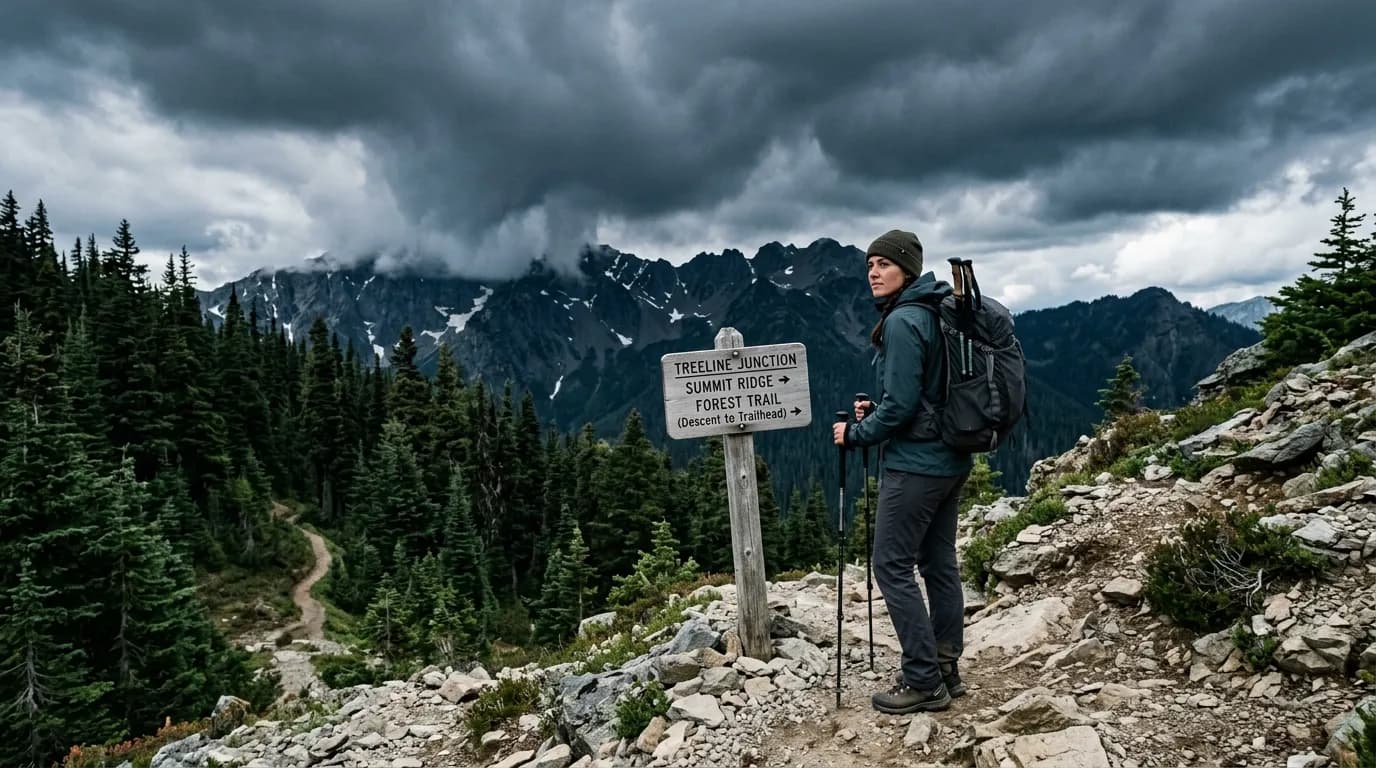
Set a turnaround trigger before you leave: time ("turn at 11:30") or location ("turn at the big bridge") rather than only mileage kids cannot measure. Flexibility beats forcing "just one more switchback" when tears are brewing.
What to Pack for Kids (and Adults Carrying It)
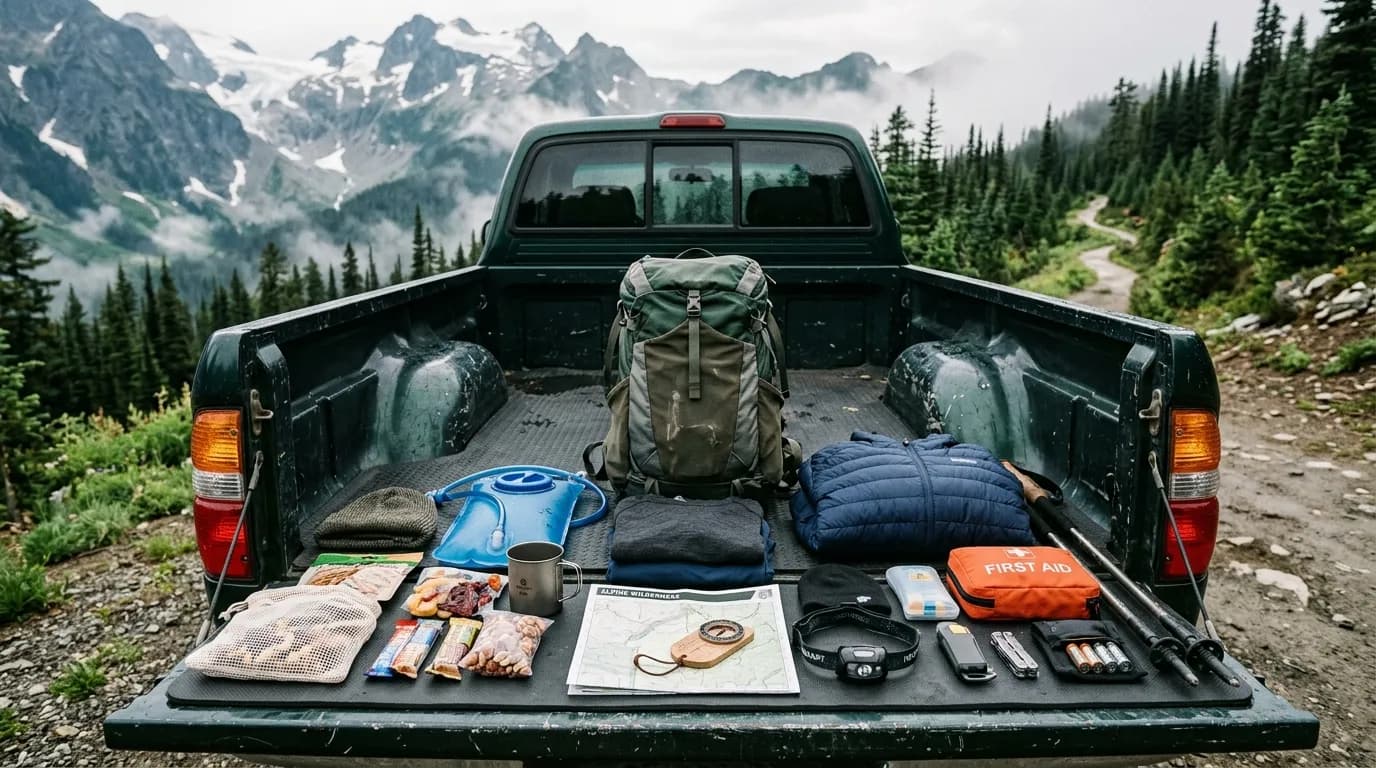
Parents carry most gear early on. Pack layers, water, food, first aid, and comfort items without turning into a mobile nursery.
Essentials
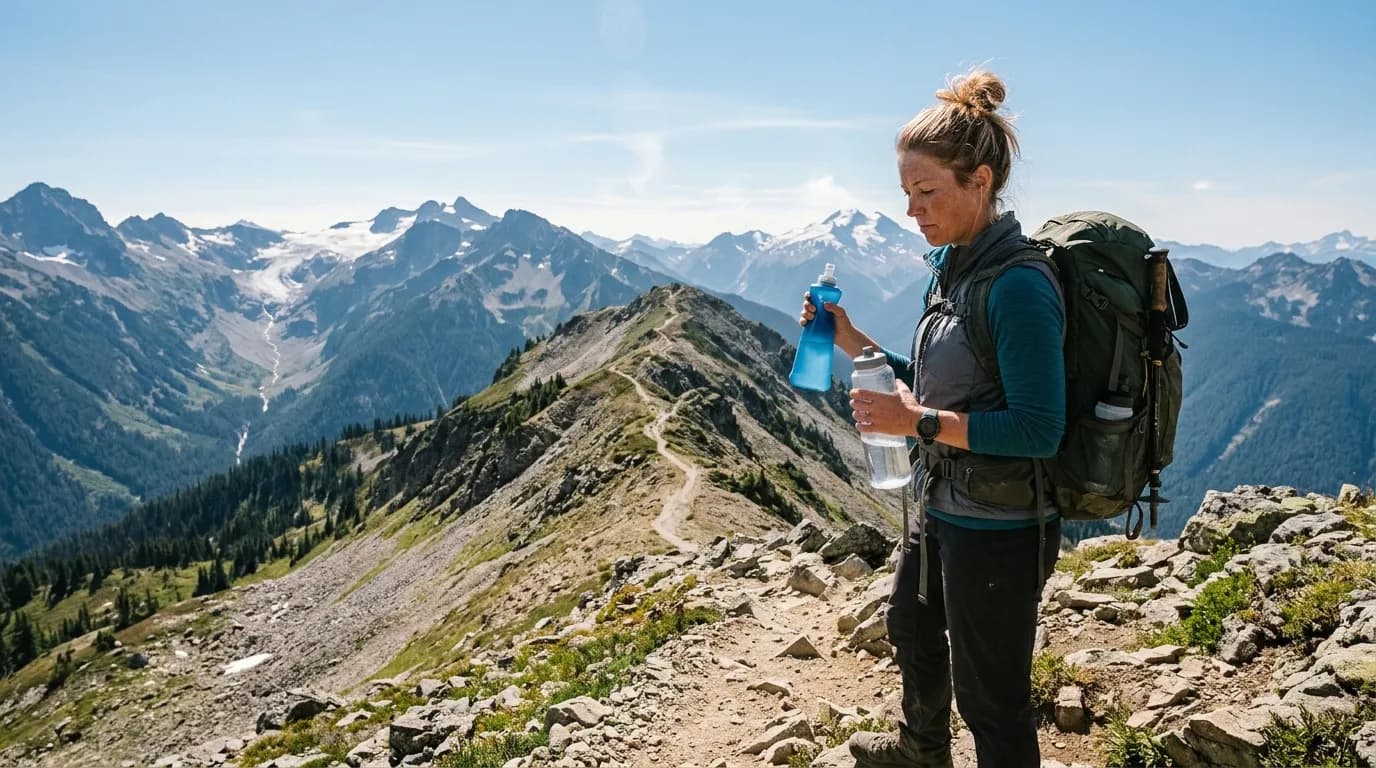
- Water — More than you think; kids forget to drink until offered. Small bottles or hydration tubes they can use independently help.
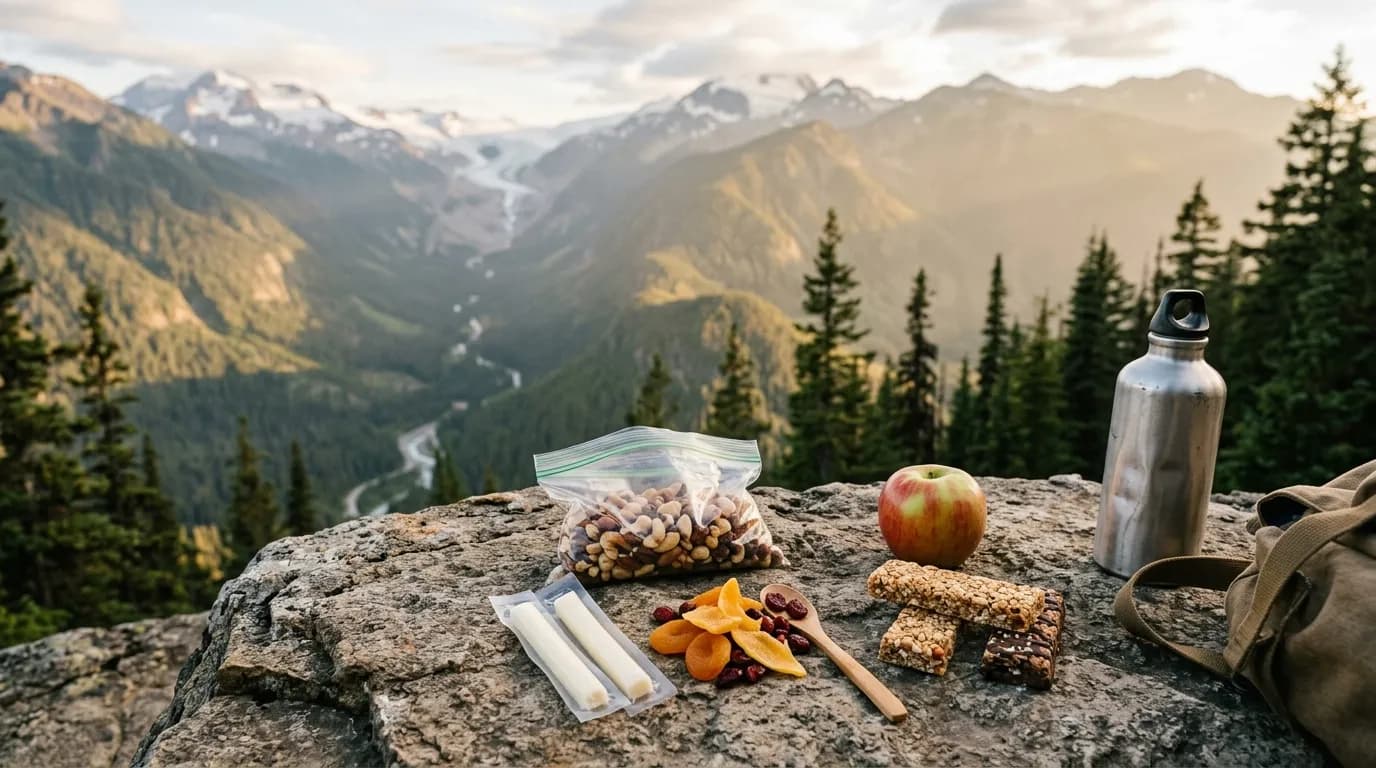
- Snacks — Familiar favorites, not experimental health bars. Small frequent bites beat one big lunch battle.
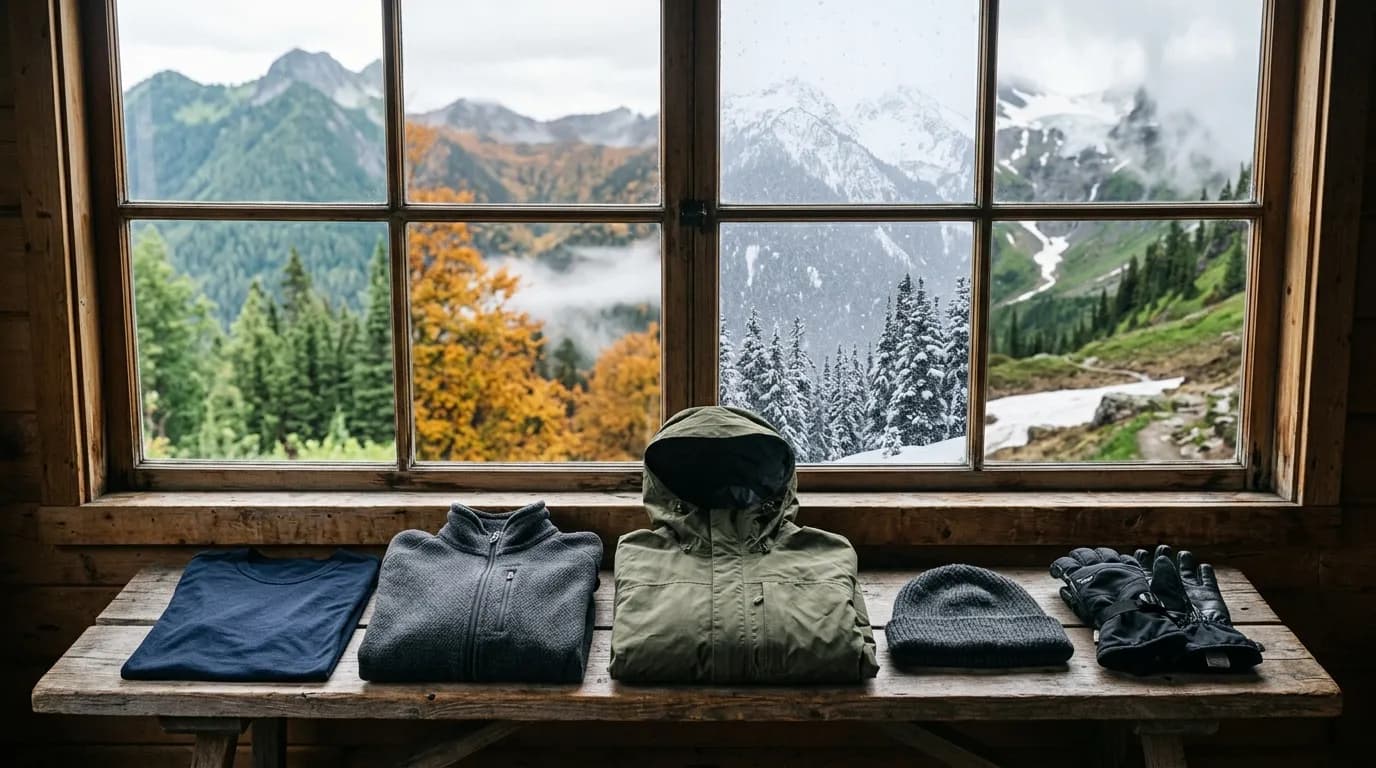
- Extra layer and hat — Kids cool and heat faster than adults.
- Sunscreen and bug spray — Reapply on long days; kid-formula products if you prefer them.
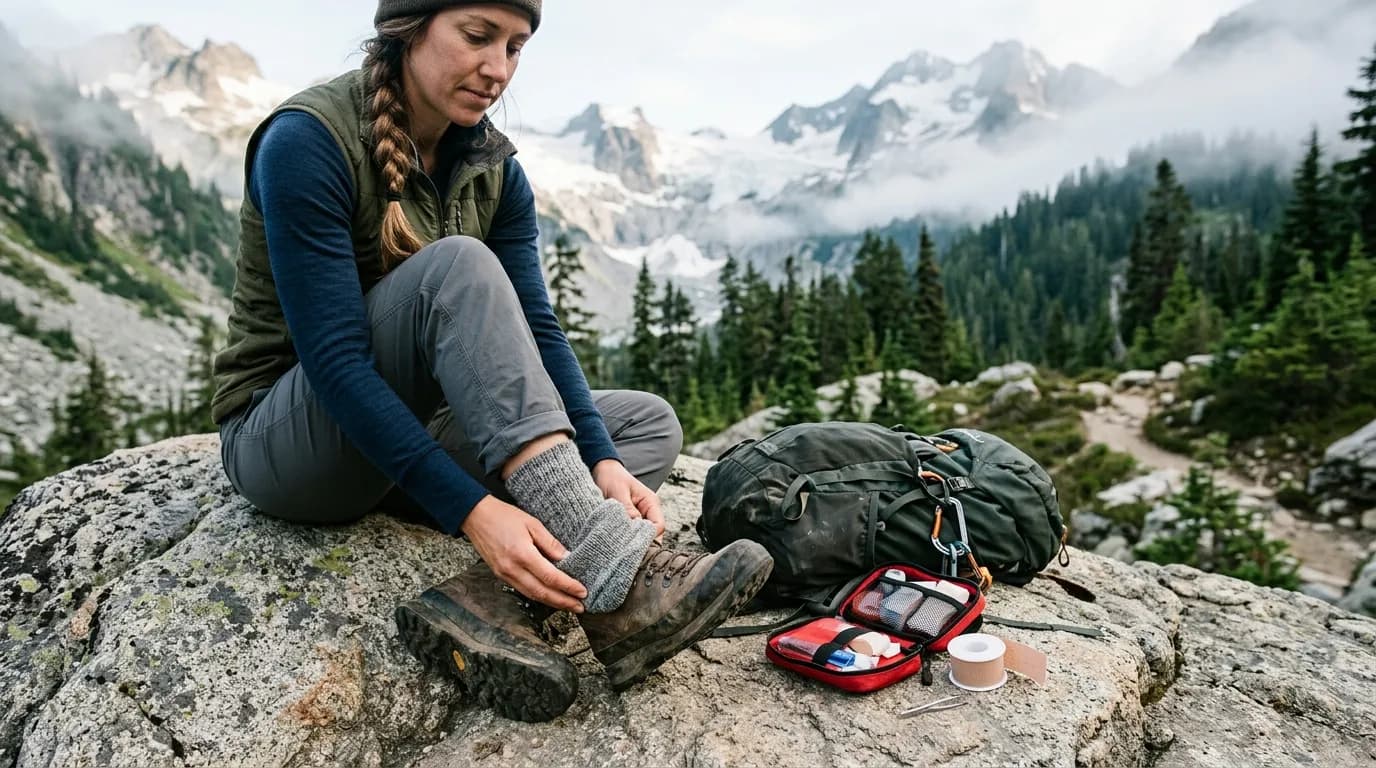
- First aid — Bandages, wipes, tweezers, any medications, blister care—see blister prevention guide for tape and hot-spot checks on heels.
- Trash bag — Model Leave No Trace; kids pack their own wrapper in a pocket if old enough.
Comfort and Morale
- Lightweight sit pad or small towel for breaks
- Change of socks if puddles are likely
- Small binoculars or magnifying glass for "missions"
- One light toy or nature journal—not a heavy bag of entertainment
- Wet wipes and hand sanitizer
What to Skip on Hike One
- Brand-new boots on child or parent—break footwear in at the playground first
- Overly ambitious cameras or drones that distract from pacing
- Rewards tied only to summit arrival—reward effort and observation too
Adults should carry a solid day hike packing list for themselves; kids' needs layer on top, not instead of navigation and weather gear.
Clothing and Footwear for Small Hikers
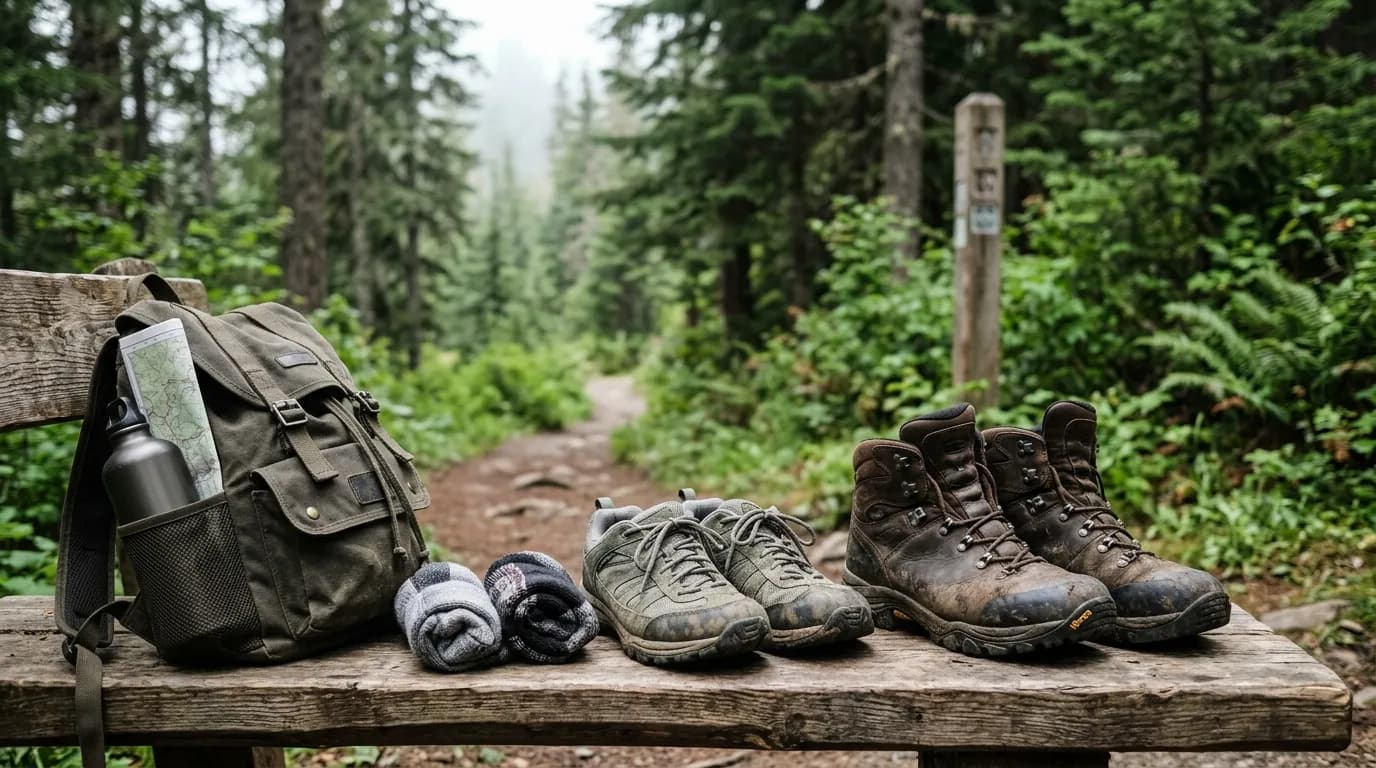
Ill-fitting boots cause meltdowns. Sneakers with decent tread work on easy trails if dry. Prefer closed toes over sandals on rocky paths. Wool or synthetic socks without bulky seams reduce hot spots. Dress kids in bright colors for visibility in shared woods. Avoid cotton-only outfits on long wet days—synthetic or wool layers dry faster.
Check shoelaces and velcro before starting. A minute at the car prevents ten stops in the first half mile.
Pacing and Motivation Without Bribery Wars
Power hikes fail with kids. Tools that work:
- Micro-goals — "To that bend with the yellow flowers," not "two miles left."
- Discovery games — Count bird calls, find three leaf shapes, spot trail markers.
- Leader rotation — Kids with safe trail sections take turns up front with an adult shadowing.
- Scheduled breaks — Sit every twenty to thirty minutes even if nobody asked yet.
- Snack map — "At the bench we eat apples" gives structure.
- Storytelling — Serialized tales last entire hikes better than one long lecture on trees.
Avoid tying treats only to distance extortion ("no cookie until summit"). Pair snacks with time and effort, not cliff-edge coercion. Praise noticing and persistence, not speed.
Safety Basics for Family Day Hikes
Calm trails still need adult responsibility:
- Tell someone your route and return window
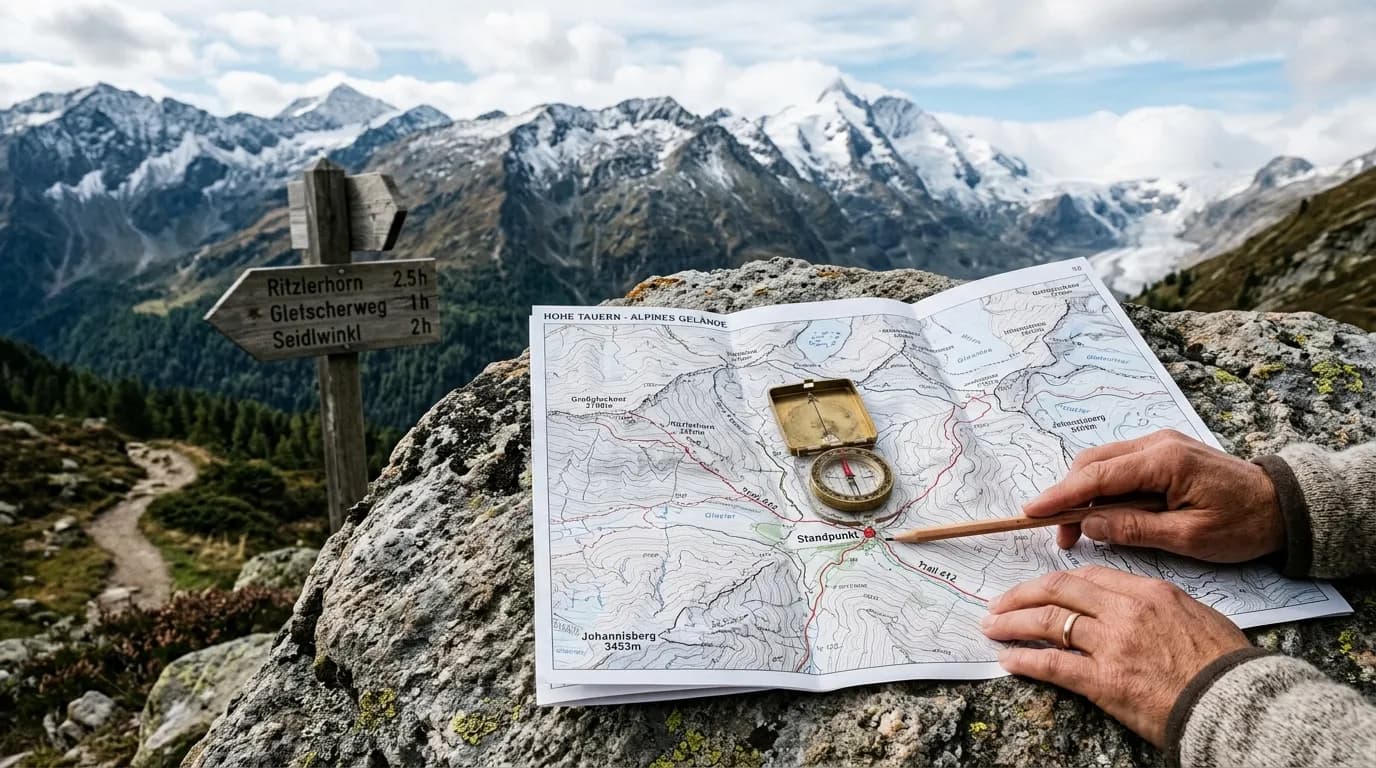
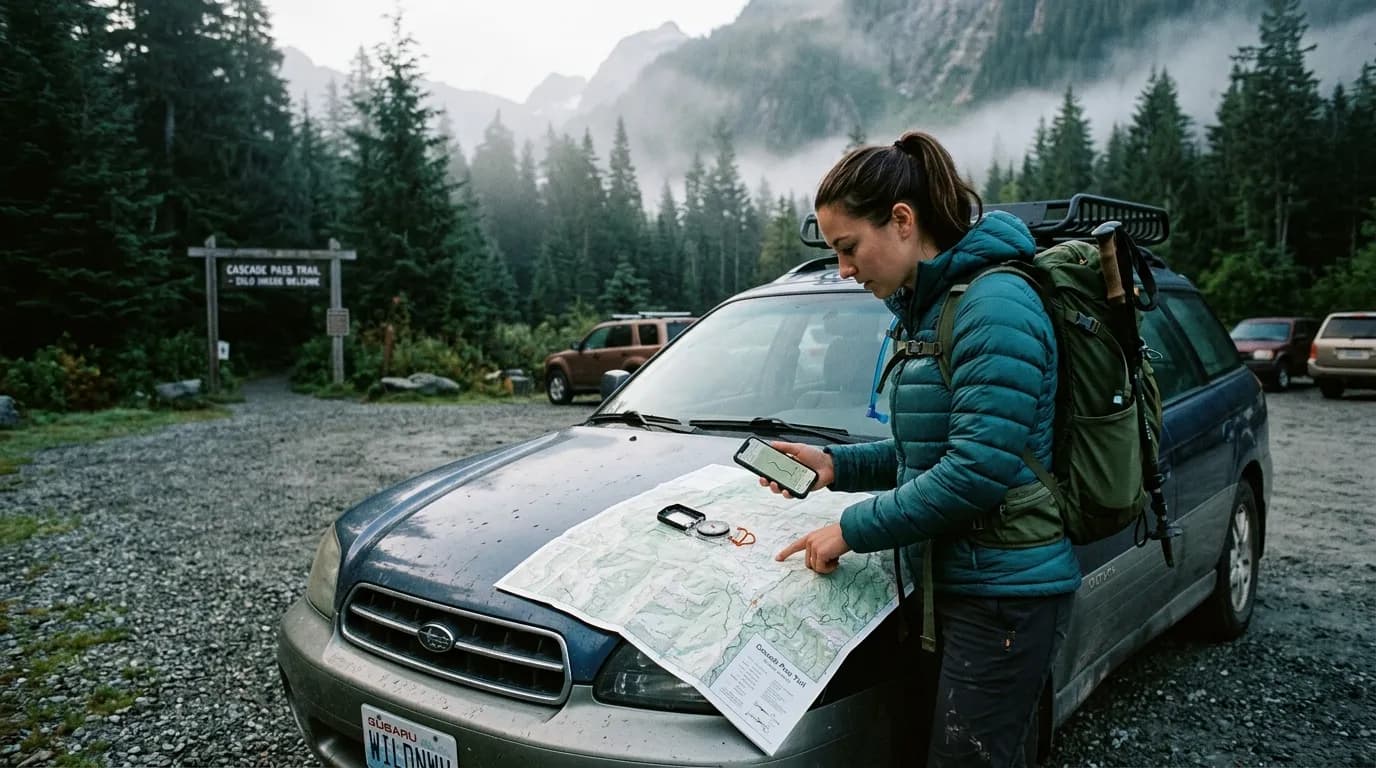
- Carry phone with offline maps; phones die—paper backup on longer family routes helps
- Stay together on junctions; adult behind the slowest child on descents
- Teach stop-and-wait at forks without scaring—"We stick together like a team"
- Set clear edge rules before cliffs or water: hold hands, no running on drops
- Know nearest help and whether cell signal exists
This is general outdoor education, not professional safety instruction. Choose trails within your family's skill and adjust for weather. Lightning, heat, and cold affect children quickly—turn back early when conditions shift.
Teaching Trail Etiquette Gently
Kids learn by watching:
- Step aside together for others on narrow trail
- Quiet voices near wildlife and other hikers
- Pack out all trash; pick up nothing that belongs to the forest floor except litter
- Leash dogs where required; teach ask-before-petting if you meet trail dogs
Connect etiquette to empathy: "We leave it nice for the next kid."
Age-Specific Notes
Preschool (Roughly 3–5)
Very short loops, carrier or stroller if path allows, naps respected. Focus on sensory play. Turnaround at first serious fatigue—not negotiation.
Early Elementary (6–8)
One to three miles often works with breaks. Assign simple jobs: snack monitor, map holder (paper), wildlife spotter.
Tweens (9–12)
Can handle modest gain if fitness is building. Involve them in route research and packing. Peer company on group hikes boosts enthusiasm.
Teens are still "hiking with kids"—they need food, sleep, and reasons beyond "because exercise."
Starter Plan: First Family Day Hike
Three days before: Pick a short loop with features and toilets. Check weather. Let kids help pack snacks they chose from two healthy options you approve.
Night before: Lay out clothes and water bottles. Adults prep pack with first aid and layers. Explain tomorrow in one sentence: "We walk in the woods, look for cool things, picnic on a log, home for lunch."
Morning: Eat breakfast. Sunscreen at car. Bathroom stop even if "I do not need to." Start hike within an hour of arrival—parking lot dawdling burns best energy.
On trail (first 30 minutes): Slow pace, first micro-goal reached, first sip and nibble offered before asked.
Mid-hike: Sit-down snack on a durable surface. Adjust layers. Turn back if mood or weather declines—even if the viewpoint is "only ten minutes."
After: Celebrate with a ritual (hot chocolate, pool, favorite show). Ask one question: "What should we look for next time?" Not "how many miles."
Common Mistakes Parents Make
- Choosing the trail they did pre-kids — Your old favorite peak may be too much for small legs.
- No food until halfway — Hungry kids do not care about your mileage plan.
- Ignoring wet or cold fingers — Discomfort escalates fast; fix early.
- Forcing summit completion — Turnaround without shame builds trust for future hikes.
- New shoes on hike day — Break in during everyday play.
- Over-scheduling the afternoon — Tired kids remember the rush, not the ridge.
- Adult-only pacing — If you never stop, kids never attach joy to the trail.
FAQ
What age can kids start hiking?
Many families start with carrier hikes in infancy on smooth paths. Independent walking hikes often begin around ages three to five on very short routes. Readiness varies more than age numbers.
How far can kids hike?
Rule-of-thumb ranges are unreliable. Your child on a cool day after good sleep may double their rainy-day distance. Track what they comfortably finish happy, not what forums claim for "average" kids.
Should kids carry their own packs?
Light small packs with water and a snack build ownership for older kids. Keep weight minimal—under ten percent of body weight as a loose guide—and adults carry safety gear and extra layers.
What if my child refuses to walk?
Rest, snack, water, layer fix first. Shorten the route without punishment narrative. Sometimes today is not the day; preserving goodwill matters.
Are hiking poles good for kids?
Optional for older kids on steep terrain. Trekking poles for toddlers usually tangle legs; save them until coordination and trail difficulty justify.
How do I handle bugs and fears?
Acknowledge fear without mocking. Bug spray and long sleeves help. Teach look-don't-touch for stinging insects. Choose less buggy seasons or times for early hikes if anxiety is high.
After the Hike: Locking In the Good Memory
What happens in the parking lot shapes whether kids associate hiking with joy or exhaustion. Build a short post-hike ritual: remove packs together, change socks if feet are damp, drink water before the car snack, and name one favorite moment each—adults too, not only children. Avoid immediately rushing into errands that erase the experience.
Later in the week, pull up a map or photo and ask whether they remember the bridge or the beetle. Memory reinforcement turns one successful outing into identity: “We are hikers” instead of “We once tried that thing.” Keep a simple log on the fridge—trail name, date, one line—so kids see progress without mileage obsession.
When to Add Distance or Difficulty
Increase challenge only after two or three happy finishes on similar terrain. Add a half mile, not three. Add modest gain before chasing summits. Invite older kids into planning: let them pick between two vetted trails or choose lunch items from approved options. Ownership reduces resistance more than speeches about character building.
Weather windows matter doubly with kids. A familiar trail in light rain can feel adventurous with good rain gear; a new steep trail in cold downpour often ends the season. Match stretch goals to blue-sky days and keep rainy-day hikes close to the car. If a child sleeps poorly the night before, shorten the plan without debate—fatigue amplifies every small friction on trail.
Grandparents and multi-generational groups succeed when the slowest walker sets pace and turnaround time. Pride that pushes “just a little farther” past clear limits teaches kids that outdoor time equals negotiation battles—a lesson nobody wants repeated at the next trailhead. A calm first hike is the seed; distance grows when the seed actually sprouts.
Related Reading
- Choose a First Peak or Viewpoint Hike — scenic goals sized to beginners
- Blister Prevention for Day Hikes — foot care for every age
- Day Hike Packing List for Beginners — adult baseline gear
- Leave No Trace Basics — teach stewardship on easy trails
Every child differs in health, development, and comfort outdoors. This guide is general family hiking education, not medical or safety advice. Consult pediatric professionals for health-specific questions and choose trails appropriate to your supervision skills.
The first day hike is an invitation, not an audition. Pick a trail generous with small wonders, pack snacks like diplomacy, and leave room for the rock that is definitely a throne. Miles come later. Enthusiasm comes first.