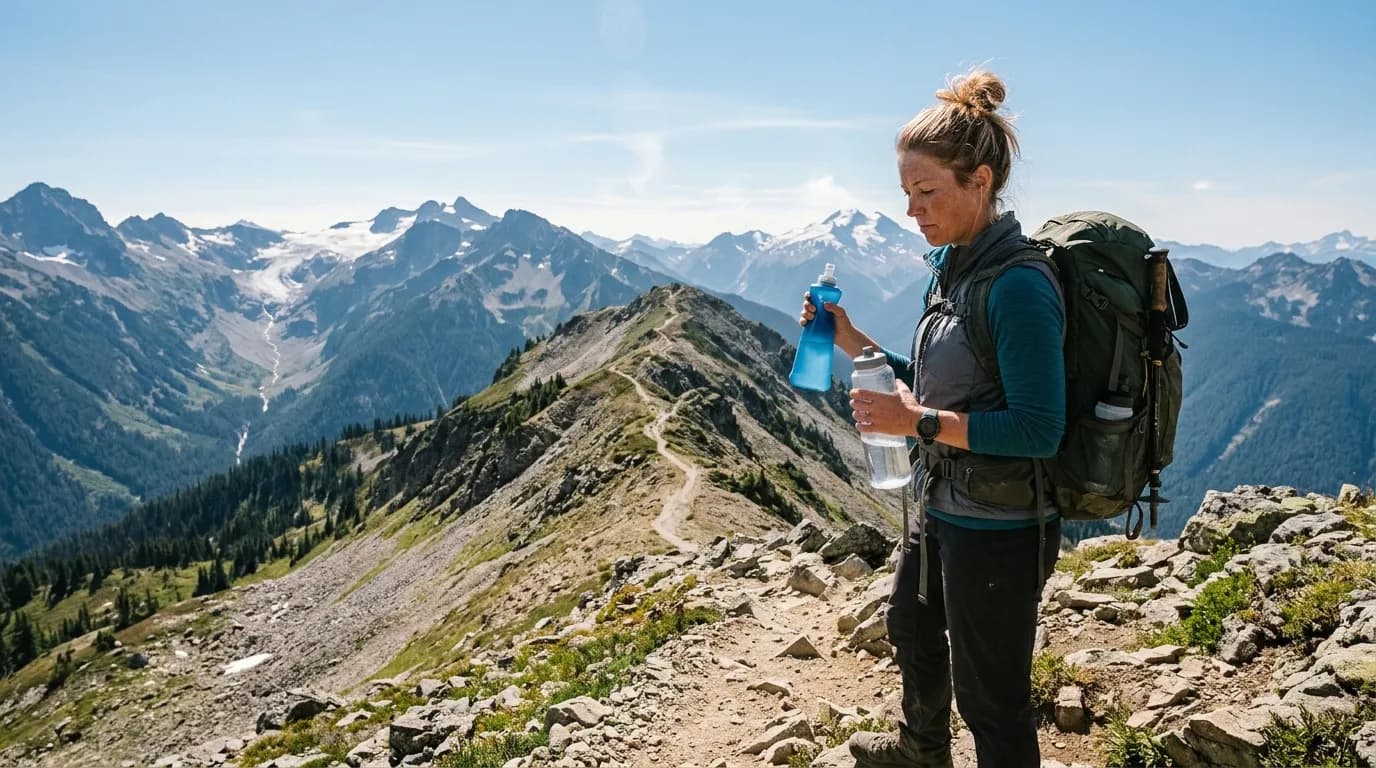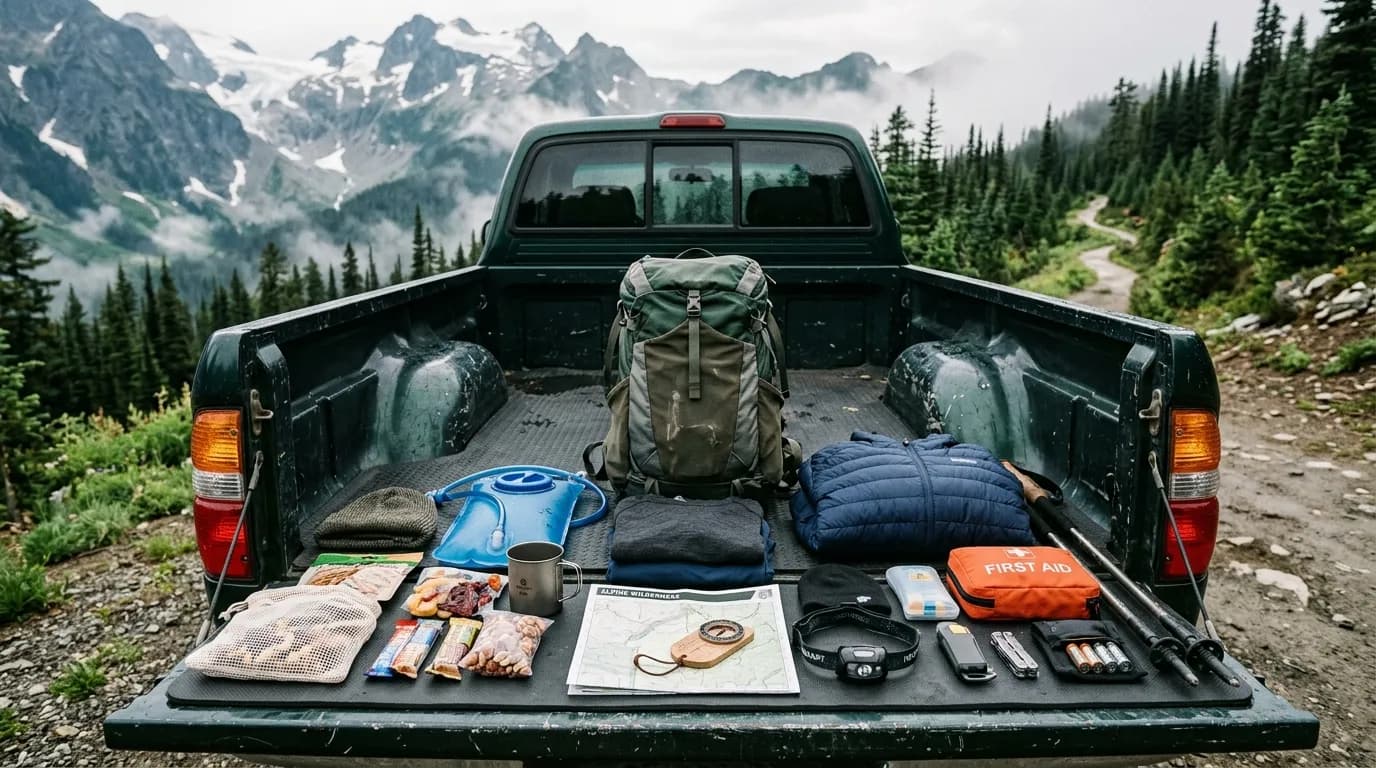
Halfway up a forested switchback, my legs did not exactly quit—they negotiated. Each step came with a quiet internal memo suggesting a nap would be reasonable. I had water. I had views. I had forgotten that hiking burns fuel the way a small furnace burns split wood: steadily, without announcing each log. The granola bar at the bottom of my pack might as well have been at the bottom of a lake. Since then, snacks live where my hand finds them without stopping, and I treat food on trail the same way I treat water: small amounts often, not a feast only when misery arrives.
The best trail snacks for day hikes hit a narrow target. They pack dense calories into light weight, survive warm pack temperatures, open without a kitchen, and do not leave you with sticky hands or crumb trails that attract every chipmunk in the county. This guide covers what to bring, how much for typical distances, timing your bites, and combinations that keep energy smooth instead of spiky. Your hydration plan matters just as much—pair snacks with the guidance in how much water to carry on a day hike so fuel and fluids move together.
What Makes a Good Day-Hike Snack
Not every healthy desk snack earns a place in your daypack. Trail food earns its grams when it meets most of these criteria:
- Calorie density — More energy per ounce means less pack weight for the same fuel
- Stability — Holds up in heat, jostling, and squashed pack conditions
- Simple eating — No stove, minimal utensils, easy one-handed bites on switchbacks
- Balanced macros — Mix of carbohydrates, fat, and protein smooths energy rather than one sugar spike
- Pack-out friendly — Wrappers and cores go back in your bag, not on the ground
- Personal tolerance — Foods you know sit well when your heart rate is elevated
Flavor matters too. If you hate the bar you packed, you will not eat it until you are desperate. Pack foods you actually want at mile five.
How Much Food to Bring
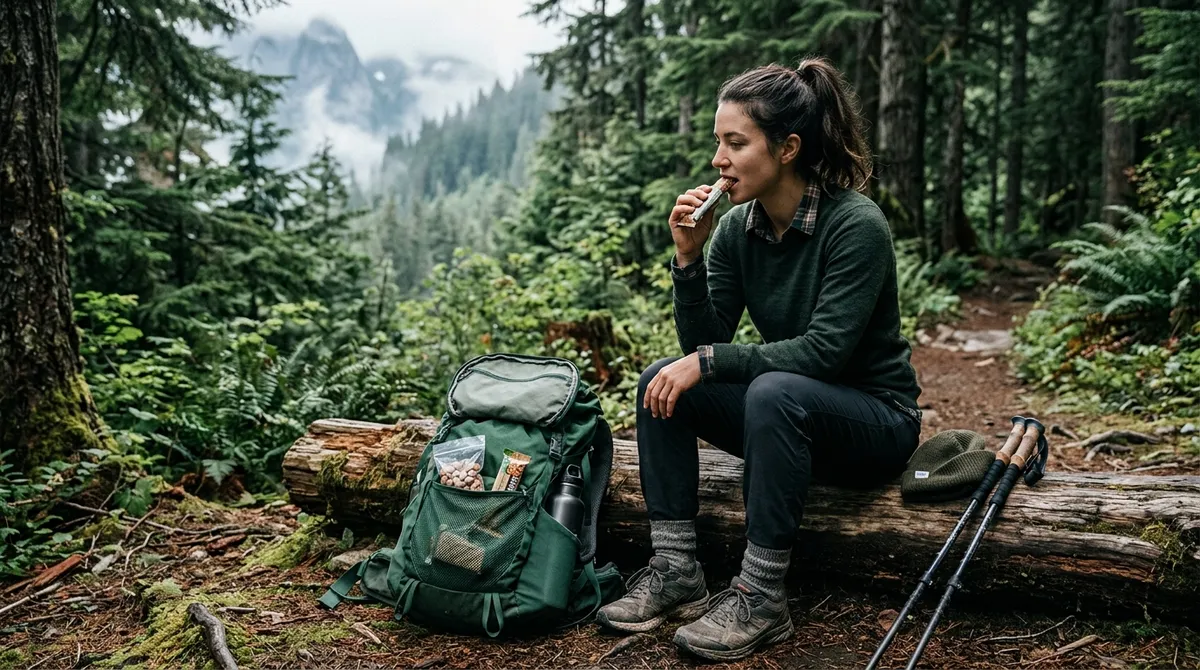
A rough starting point for moderate day hiking is 200 to 300 calories per hour of moving time, plus a little buffer. A three-hour moving hike might mean 600 to 900 calories of trail food, not counting a full lunch if you carry one separately.
Adjust upward for:
- Cold weather (your body burns more staying warm)
- Heavy packs or steep gain
- Longer routes above eight miles—see packing for a 10-mile day hike for scaling food with distance
- Teenagers, hungry partners, or anyone who runs hot metabolically
Underestimating food turns a beautiful overlook into a grumpy trudge. An extra bar weighs ounces; regret weighs more.
Top Trail Snack Categories
1. Bars (Energy, Protein, Granola)
Energy bars are the default for good reason: compact, labeled calories, variety. Look for bars that do not melt into soup in summer—test one in a warm car before trusting it on an August ridge. Protein-heavy bars digest slower; simple carb-forward bars give quick lift. Pack both types on long days: quick sugar early, protein and fat later.
2. Nuts, Seeds, and Trail Mix
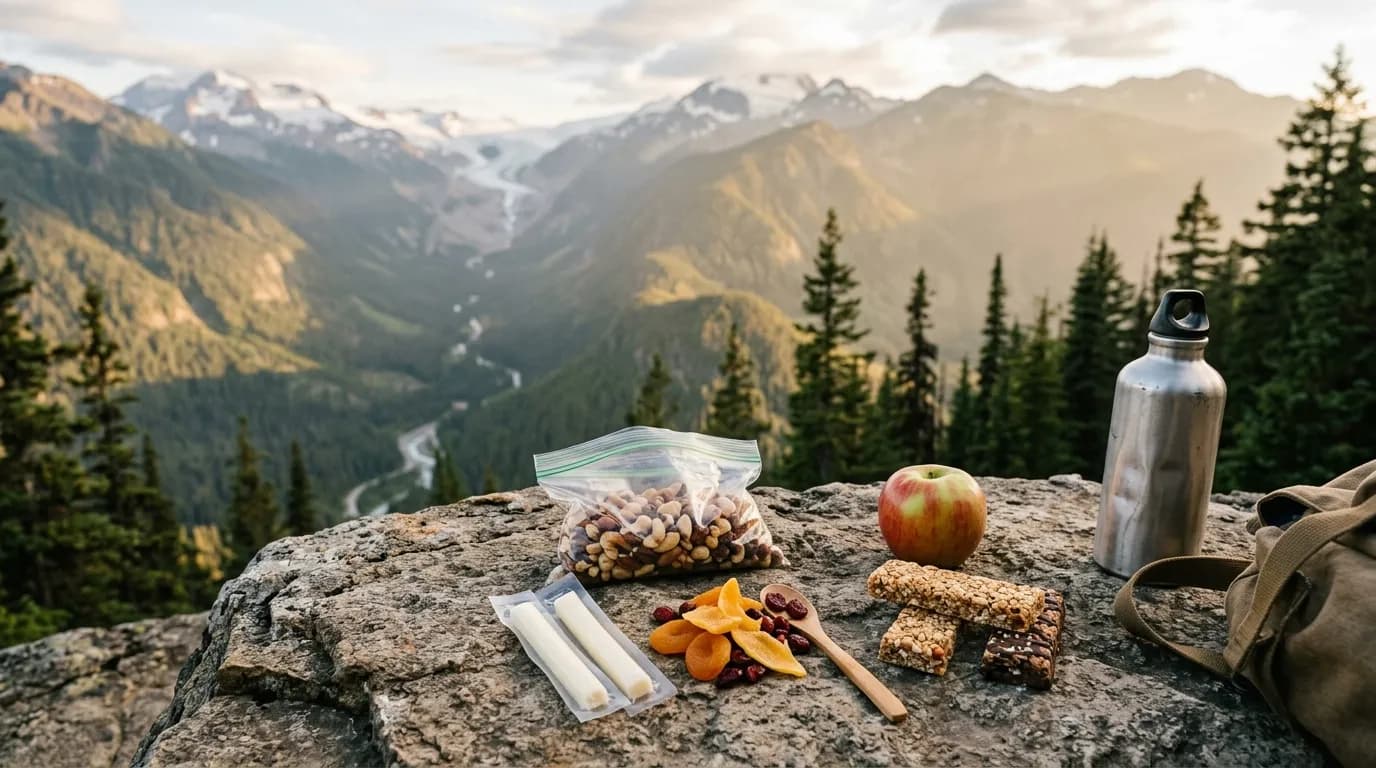
Almonds, cashews, peanuts, pumpkin seeds, and mixes with dried fruit deliver fat and calories efficiently. Portion into zip bags so you do not over-pour at the trailhead. Salty mixes help when you sweat heavily—another reason to drink steadily per your water plan.
3. Dried Fruit and Fruit Leather
Dried mango, apricots, raisins, and apples add quick carbohydrates and pleasant texture variety. They can be sticky; bag them separately from electronics. Natural sugars work well mid-climb when you want fast energy without bakery crumbs.
4. Crackers, Tortillas, and Dense Breads
Whole-grain crackers or small tortillas pair with nut butter packets or hard cheese for a mini meal without a sandwich sagging apart. Bagels travel better than soft bread. Look for intact packaging that survives crushing.
5. Nut Butter and Cheese
Single-serve nut butter packets spread on crackers or eat straight. Hard cheeses like cheddar or gouda handle warm packs better than soft brie. Combine with carb bases for staying power past mid-afternoon.
6. Jerky and Savory Proteins
Beef, turkey, or plant-based jerky adds salt and protein when sweet bars lose appeal—the common "sweet fatigue" of long days. Chew slowly and drink water; jerky thirst is real.
7. Fresh Fruit (With Limits)
Apples, oranges, and firm bananas work on cool or short hikes. They weigh more per calorie than dried options but refresh palates. Soft peaches explode; save them for picnics.
8. Sandwiches and Wraps (Half-Day to Full-Day)
Peanut butter and honey, turkey and cheese, or hummus wraps make proper lunch anchors on longer hikes. Pack flat, wrap tight, and eat within the first half of the day if heat is high. Mustard and mayo spoil faster than peanut butter—choose fillings wisely.
9. Electrolyte Chews, Gels, and Drink Mix
Gels and chews suit fast-moving hikers who want quick carbs without chewing much. Electrolyte drink mix complements salty snacks on sweaty days. Not everyone needs them on a two-hour loop, but eight hot miles change the calculus.
Sample Snack Kits by Hike Length
Short Hike (2–3 Hours Moving)
- One energy bar
- Small handful bag of trail mix
- One piece of fruit or fruit leather
Moderate Hike (4–5 Hours Moving)
- Two bars (one carb-forward, one protein)
- Trail mix portion
- Jerky stick or cheese portion
- Sandwich or wrap if spanning lunch time
Long Day Hike (6+ Hours Moving)
- Three to four bars or equivalent calorie mix
- Substantial lunch (wrap, nut butter sandwich, leftovers in a container)
- Trail mix plus dried fruit
- Savory item for late-day morale (jerky, crackers and cheese)
- Electrolyte option if hot
Timing: When to Eat on Trail
Before you start: A normal breakfast an hour or more ahead beats hiking stuffed. Oatmeal, eggs, toast, or yogurt—foods you know work before exercise.
First hour: Often no food needed if breakfast was solid. On cold mornings, a small bite early helps.
On climbs: Bite every thirty to forty-five minutes on sustained ascents. A quarter bar or handful of mix prevents the mid-climb wall.
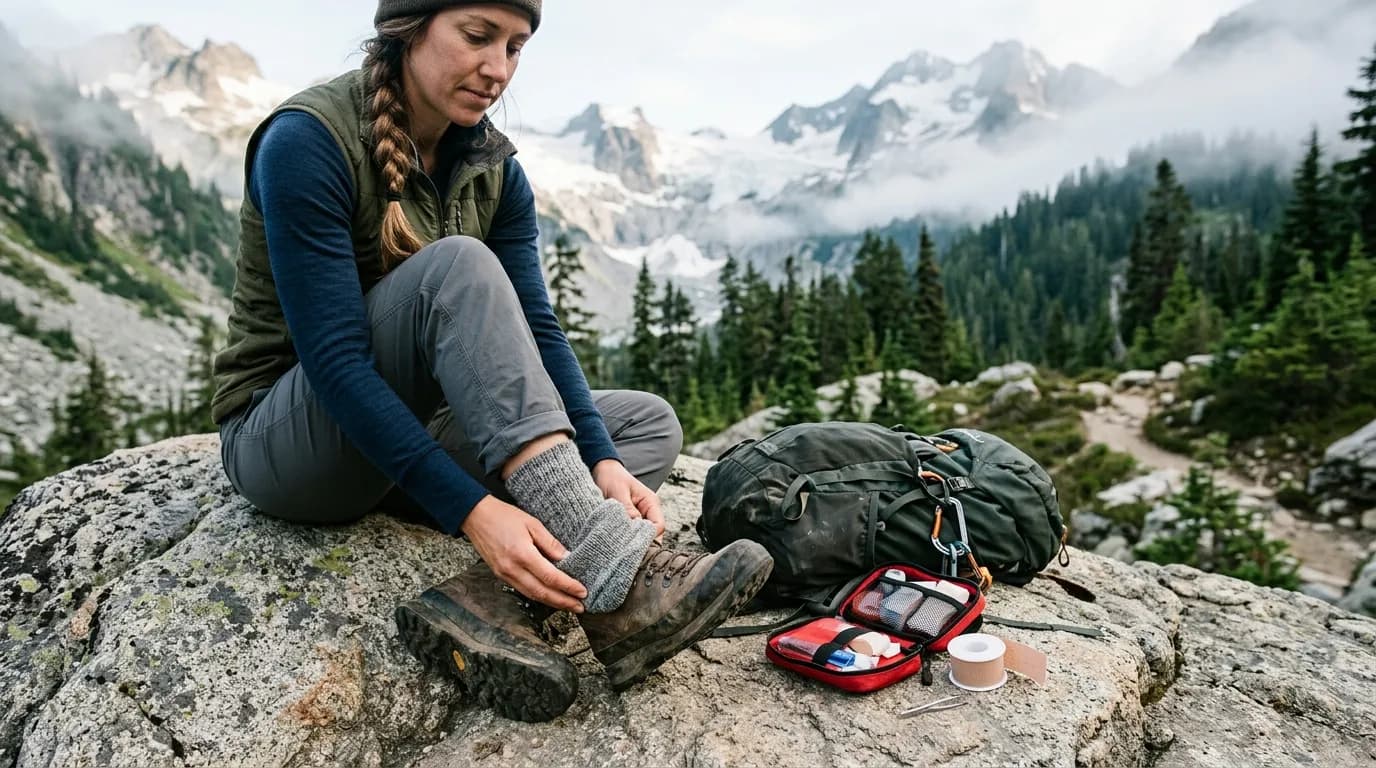
Lunch stop: Twenty to thirty minutes seated, real food, water, socks adjusted if needed. Do not skip lunch on eight-mile days to "save time."
Afternoon: Savory snacks combat sweet fatigue. Slow digesting fat and protein carry you to the car.
Last hour: Save one small bar for morale—not because you need a feast, but because knowing it exists prevents rationing panic too early.
Weight-Saving Tips Without Skimping on Fuel
- Repack bulk bags into zip bags sized to the day—do not haul a pound of almonds for a three-mile loop
- Choose dense foods: nuts and bars beat airy crackers alone for calories per ounce
- Remove outer cardboard boxes before leaving home
- Combine lunch ingredients (tortilla + packet nut butter) instead of pre-made heavy meals in clamshell containers
- Carry one robust wrapper bag for all trash so loose plastic does not scatter
Food is one of the few pack weights you intentionally consume away. The goal is not minimum food—it is appropriate food without duplicate bags of the same bar "just because."
Snacks to Be Cautious With
- Messy chocolate — Melts, smears, attracts wildlife smells in bear country
- Heavy canned goods — Rarely worth it for day hikes
- Untested "race day" gels — Stomach rebellion at mile six ruins more than hunger
- Excessive caffeine products — Jitters and bathroom urgency on narrow trails
- Strong-smelling fish or greasy meats — Odor, spoilage, wildlife awareness
In bear-active areas, follow local food storage rules even for day hikes. Odorous snacks belong in canisters or lockers where required, not loose in outside mesh pockets.
Starter Plan: Build Your Snack System
Week 1 — Pantry test: Lay out five candidate snacks. Note calories per serving on each. Eat them after a neighborhood walk with elevated heart rate—does anything sit poorly?
Week 2 — Short hike kit: Pack two items in a hip belt pocket or top lid: bar plus trail mix. Eat on schedule, not mood. Note energy at the end.
Week 3 — Longer hike: Add lunch and a savory item. Compare pack weight to calorie total. Adjust duplicates.
Ongoing: Rotate flavors monthly so bars do not become chores. Seasonal tweaks: more salt in summer sweat, more fat in cold.
Common Mistakes
- Packing snacks at the bottom of the pack — If it is hard to reach, it does not exist until you stop.
- All sugar, no fat or protein — Spikes and crashes feel like "bonking" even with water.
- One giant lunch, no grazing — Big midday meals without climb snacks leave morning holes.
- Trying new foods only on trail — Test gels and bars at home first.
- Forgetting salt — Especially on hot days paired with plain water only.
- Leaving wrappers behind — Pack it out, including micro-trash like tear tabs.
FAQ
Are expensive "hiking-specific" snacks necessary?
No. Grocery store nuts, bananas, peanut butter crackers, and many granola bars work fine. Specialty trail food buys convenience and packaging, not magic calories.
What if I am vegetarian or vegan?
Nuts, dried fruit, hummus wraps, plant jerky, energy bars without animal ingredients, and nut butter packets all travel well. Read labels for hidden dairy or honey if you avoid them.
Should I pack lunch or just snacks?
Hikes over four or five hours spanning midday deserve a real lunch plus snacks. Shorter morning loops often need only snacks if you ate breakfast.
How do I store food in hot weather?
Keep perishables shaded inside the pack, eat cheese and meat earlier, use insulated sleeves if needed, and when in doubt choose shelf-stable options.
Can kids eat the same trail snacks as adults?
Generally yes, with attention to choking hazards for young children and smaller portions. Familiar foods reduce trail-day drama.
Do I need to worry about bears on a day hike?
In bear country, yes—follow local guidance on food storage and odors even for short trips. In areas without large predators, still pack out trash completely to protect smaller wildlife and trail cleanliness.
Allergy, Diet, and Inclusive Snack Planning
Trail food gets personal quickly when allergies or dietary choices enter the mix. Pack sealed foods you trust if cross-contact matters. Nut-heavy trail mix on a trip with someone allergic to peanuts is a packing mistake, not a trail surprise to solve mid-hike. Label home-packed zip bags so partners know what is inside.
Gluten-free hikers often rely on corn tortillas, rice cakes, dedicated bars, and whole foods like cheese and fruit. Vegan hikers lean on nuts, dried fruit, hummus wraps, and plant-based bars—checking labels for hidden dairy. Kosher or halal requirements may rule out certain jerky or gelatin-based chews. The trail does not simplify any of this; it just moves the pantry onto your shoulders with less refrigeration.
When hiking with a mixed group, share plans before departure. One person’s “surprise snack” can be another person’s allergen exposure. Inclusive planning sounds administrative; on trail it reads as care.
Building a Personal Snack Rotation
Flavor fatigue ruins good intentions. If you eat the same clif-style bar twelve weekends in a row, week thirteen becomes a chore. Rotate three to four “favorites” and one “experiment” per month so your palate stays willing. Seasonal rotation helps too: citrusy bars in summer, dense nut mixes in winter, thermos soup on cold short days when weight is less critical than warmth.
Keep a tiny note on your phone or in the pack lid: what you packed, what you ate, what you brought home untouched. After five hikes, patterns appear. Maybe you always skip sweet items after hour four—pack more jerky and fewer cookies. Maybe you always wish for salt at mile two—front-load savory mix. The note takes thirty seconds post-hike and saves pounds of guesswork over a season.
On hot days, stash chocolate or soft bars inside the pack away from your back panel so they do not melt into foil-wrapped puddles. On cold days, keep one bar in an inner jacket pocket so it is not tooth-shattering at the break. Small temperature habits make the same snacks feel easier to eat when you need them most.
Related Reading
- How Much Water to Carry on a Day Hike — pair fuel with fluids
- Packing for a 10-Mile Day Hike — scale food for longer routes
- Day Hike Packing List for Beginners — full kit context
- Leave No Trace Basics for Day Hikers — pack out every wrapper
Nutrition needs vary by health conditions, allergies, and activity intensity. This article offers general outdoor education, not dietary or medical advice. Pack foods safe for you and those hiking with you.
The right snack is the one you eat before your legs file their complaint. Keep it reachable, mix sweet and savory, and let the trail teach you how many calories your happy pace actually burns.