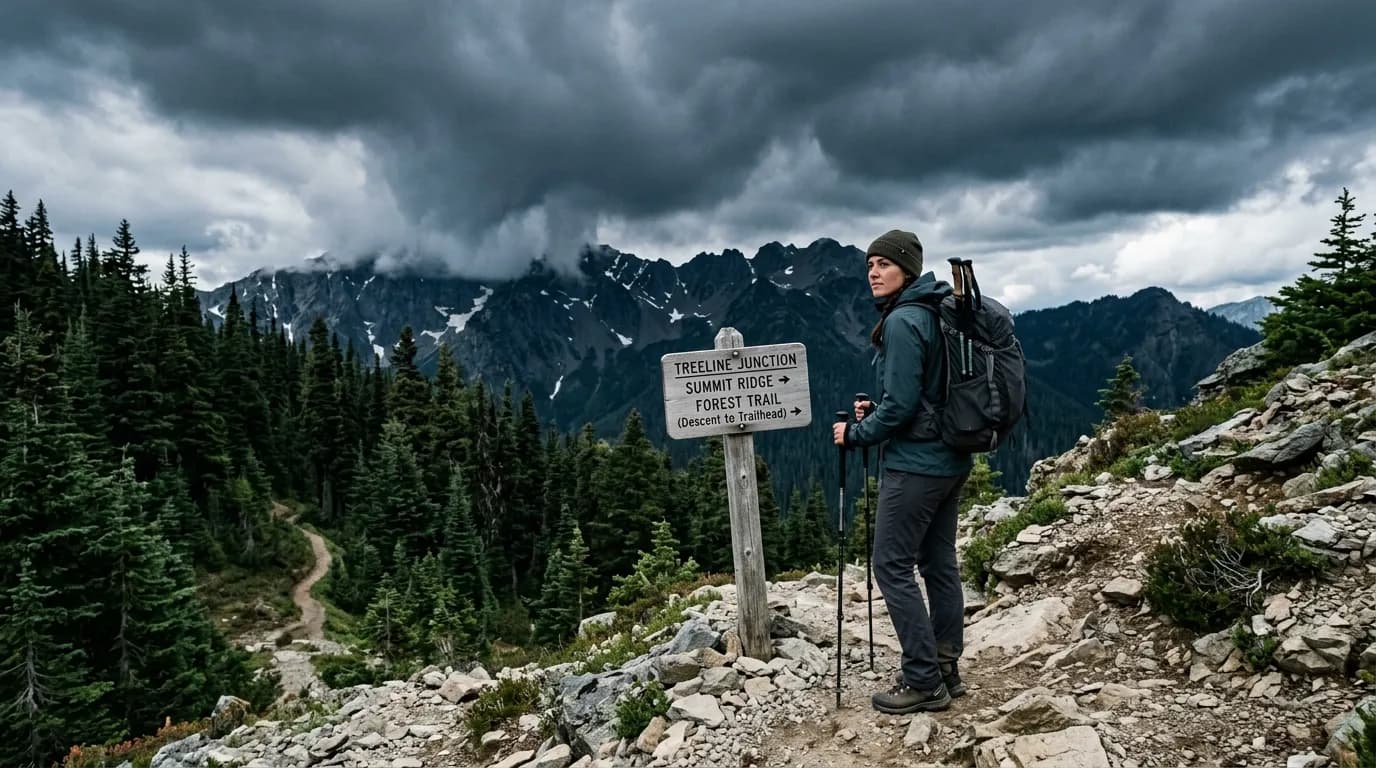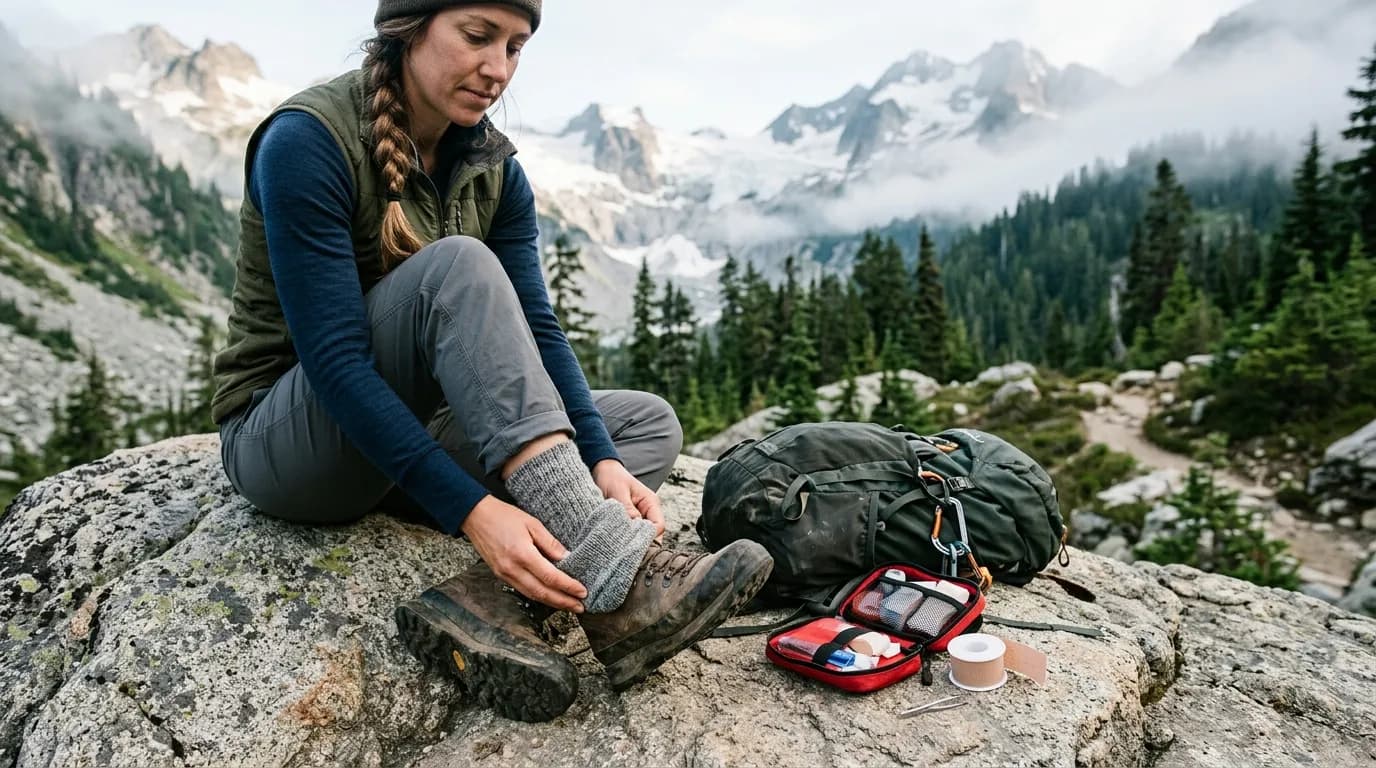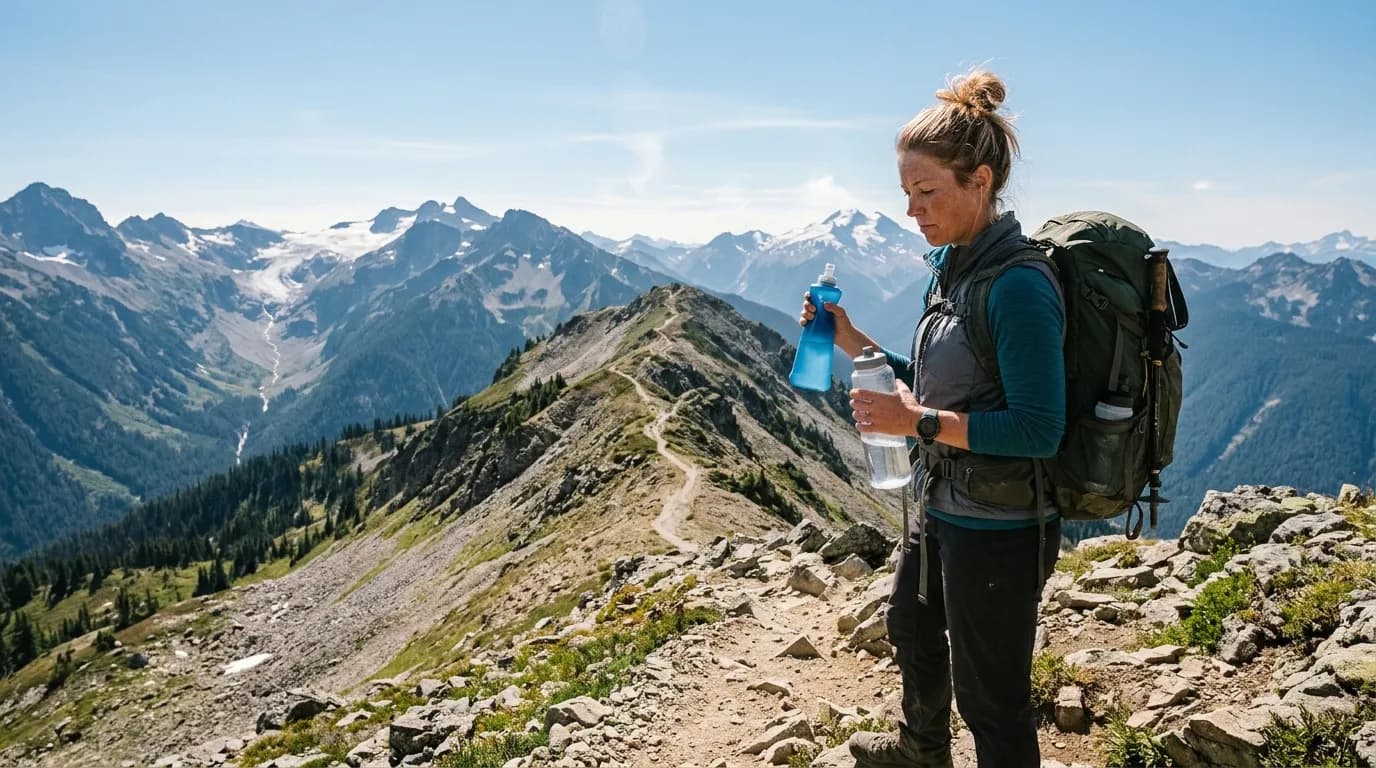
On a September ridge trail above the tree line, I met a hiker sitting on a flat rock with an empty plastic bottle turned upside down like a prop in a cautionary tale. He still had four miles to the trailhead. The day was not freakishly hot—maybe seventy-eight degrees with a dry wind—but the climb had been steady and he had started with one liter because "it did not feel that far on the map." Maps measure horizontal distance. Your body measures sweat, sun angle, and elevation gain. Water math is one of the few packing equations worth getting wrong in the safe direction.
How much water you carry on a day hike sits at the intersection of physiology, weather, and trail design. Carry too little and every step narrows to thirst. Carry too much and your shoulders pay for safety you might not need. This guide offers starting formulas, adjustment rules, and drinking habits that keep beginners hydrated without turning the pack into a water jug with straps. Pair it with your food plan—hydration and calories move together—and with our notes on bottles versus bladders in hydration packs vs water bottles when you choose how to carry it.
Why Water Needs Vary More Than Mileage Suggests
Two hikes of the same length can demand different water loads:
- Temperature and sun exposure — Open ridges and south-facing slopes increase sweat loss even when air feels merely "warm."
- Humidity — Dry air evaporates sweat quickly so you do not feel soaked, but you still lose fluid.
- Elevation gain — Climbing raises breathing rate and effort; high altitude can increase fluid needs for some people.
- Pace and fitness — Faster hikers and heavier packs burn more energy and often sweat more.
- Individual biology — Body size, sweat rate, and medications affect thirst and hydration.
- Water availability on trail — Reliable streams let you carry less if you filter; dry trails demand full carriage.
Thirst is a lagging indicator. By the time you feel very thirsty on a hot climb, you may already be behind. Drinking on a schedule—small, regular sips—works better than heroic chugging at rest stops.
A Simple Starting Formula
For moderate day hikes in temperate conditions (roughly fifty to seventy-five degrees Fahrenheit, shaded or mixed sun, established trails), a practical starting point is:
About 0.5 to 1 liter (17 to 34 ounces) of water per hour of moving time.
Moving time means time on your feet hiking, not total elapsed time including long breaks. A four-hour moving day might mean two to four liters before any safety buffer.
Example Calculations
- 3-mile easy loop, 1.5 hours moving, cool morning — 1 to 1.5 liters minimum; 2 liters if you like margin
- 6-mile moderate hike, 3 hours moving, warm afternoon — 2 to 3 liters; lean toward 3 if little shade
- 10-mile strenuous day, 5 hours moving, hot and dry — 3.5 to 5+ liters; plan refills or cache water if possible
These are starting estimates, not medical prescriptions. When uncertain, round up slightly—especially if you are new and still learning your sweat rate.
Adjusting for Heat, Cold, and Altitude
Hot Weather
Above the mid-seventies with direct sun, move toward the upper end of the range (closer to one liter per hour) and consider electrolytes. Salt and potassium help when you sweat heavily for hours. Salty snacks plus water beat plain water alone for many people on long, hot days. Start hydrated at the trailhead; do not chug a gallon at once—steady intake wins.
Cold Weather
Cold suppresses thirst, but you still lose water through respiration and layered sweating on climbs. Aim for regular sips even when you do not feel thirsty. Insulated bottles or sleeves keep water from freezing in winter; soft bladders can ice in tubes if exposed.
High Elevation
Many hikers increase fluid intake gradually when hiking above eight thousand feet, especially if arriving from low elevation. Altitude affects people differently. Watch for headache and fatigue that improve with consistent drinking and rest—not only with more miles.
When You Can Carry Less
You may reduce carried water if:
- Reliable water sources exist on your route and you carry a filter, purifier, or chemical treatment you know how to use
- Weather is cool and overcast with short moving time under two hours
- Trail reports confirm recent flow in seasonal streams (always have a backup plan if sources fail)
- You have tested your personal needs on similar hikes and consistently finish with reserve
Never assume untreated backcountry water is safe because it "looks clear." Giardia and other contaminants do not announce themselves. If you lack treatment, carry what you need from the start.
When to Carry More
- Desert or exposed trails with zero water and high heat
- First time on a trail—you do not yet know your pace or exposure
- Group hikes with children or slower partners—elapsed time stretches even if mileage is modest
- Post-illness or poor sleep—fatigue can mask dehydration signals
- Routes with uncertain maintenance or closed visitor centers where refills disappear
An extra half liter weighs about a pound. That pound is cheap insurance on a blazing ridge where turning back is the only other option.
How to Carry Water: Bottles, Bladders, and Hybrid Systems
Volume is half the question; delivery is the other half.
Hard Bottles
Plastic or stainless bottles are easy to clean, durable, and let you see how much remains. Wide-mouth bottles fit ice on hot days. They ride in side pockets for quick access without removing your pack.
Hydration Bladders
Reservoirs with drink tubes encourage sipping while moving—excellent for steady intake on climbs. Downsides: harder to see remaining volume, cleaning takes more effort, tubes can freeze or fail if bitten through. Practice refilling from a stream before you depend on one mid-hike.
Soft Flasks and Hybrid
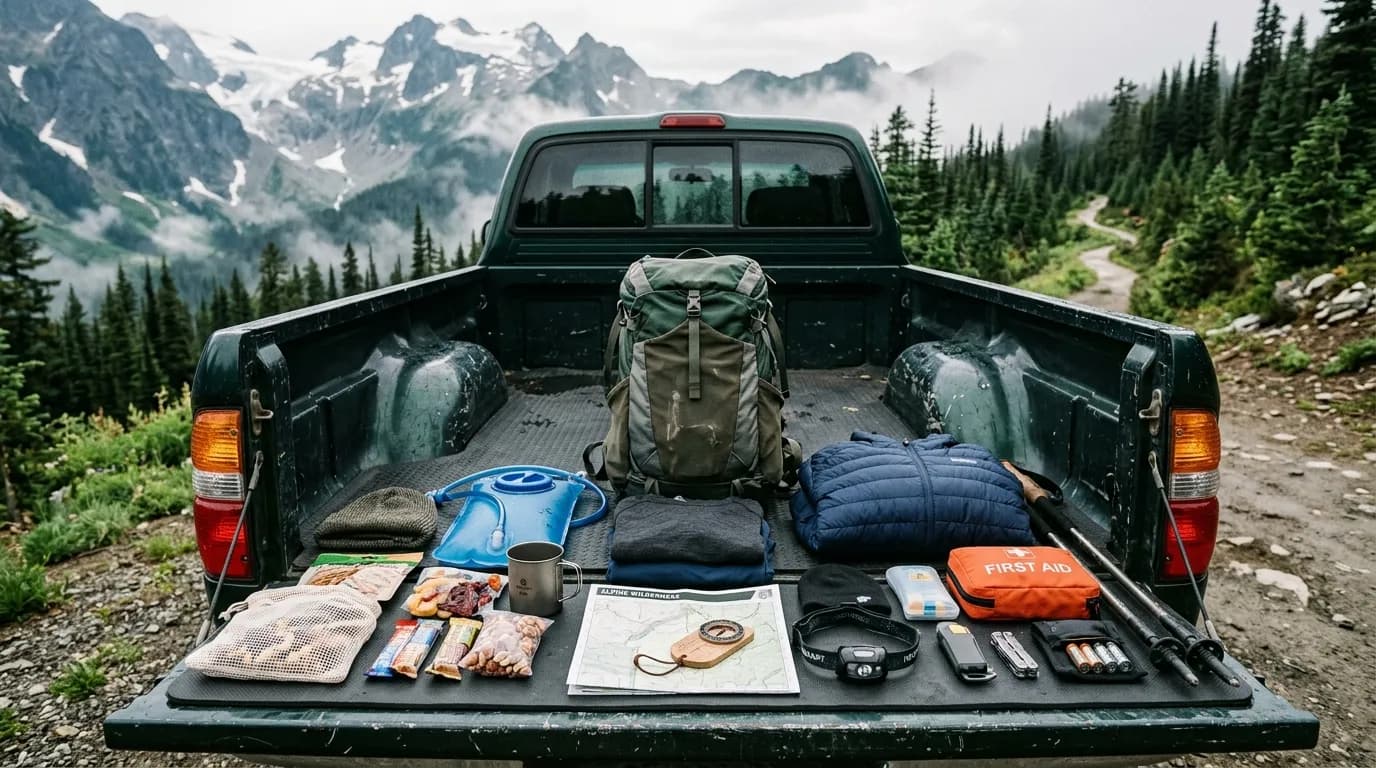
Some hikers carry a bladder plus a spare bottle for camp-style stops, or two smaller bottles distributed for balance. Match layout to your day hike packing list so water weight sits high and close to your spine.
Drinking Strategy on Trail
Before the hike: Drink normally in the hours leading up; do not arrive parched or overfull.
First hour: Sip every fifteen to twenty minutes once you warm up. Set a phone timer if you forget when views distract you.
On climbs: Short, frequent sips beat rare guzzles. Pair with a bite of food on long ascents.
At the top: Check remaining volume against distance left. Adjust at the next source or ration consciously if you are low.
Last third: Maintain sips—descents still sweat and fatigue judgment.
After: Rehydrate with water and a meal over the next few hours. Clear urine is a rough sign of recovery, not a contest to chug endlessly.
Electrolytes and Other Fluids
Plain water suits most half-day hikes in mild weather. Longer, hotter days benefit from electrolyte tablets, powder mixes, or salty foods. Avoid relying on sugary sodas or alcohol the night before. Caffeine in moderation is fine for many hikers but can contribute to bathroom stops—plan accordingly on trails with limited privacy.
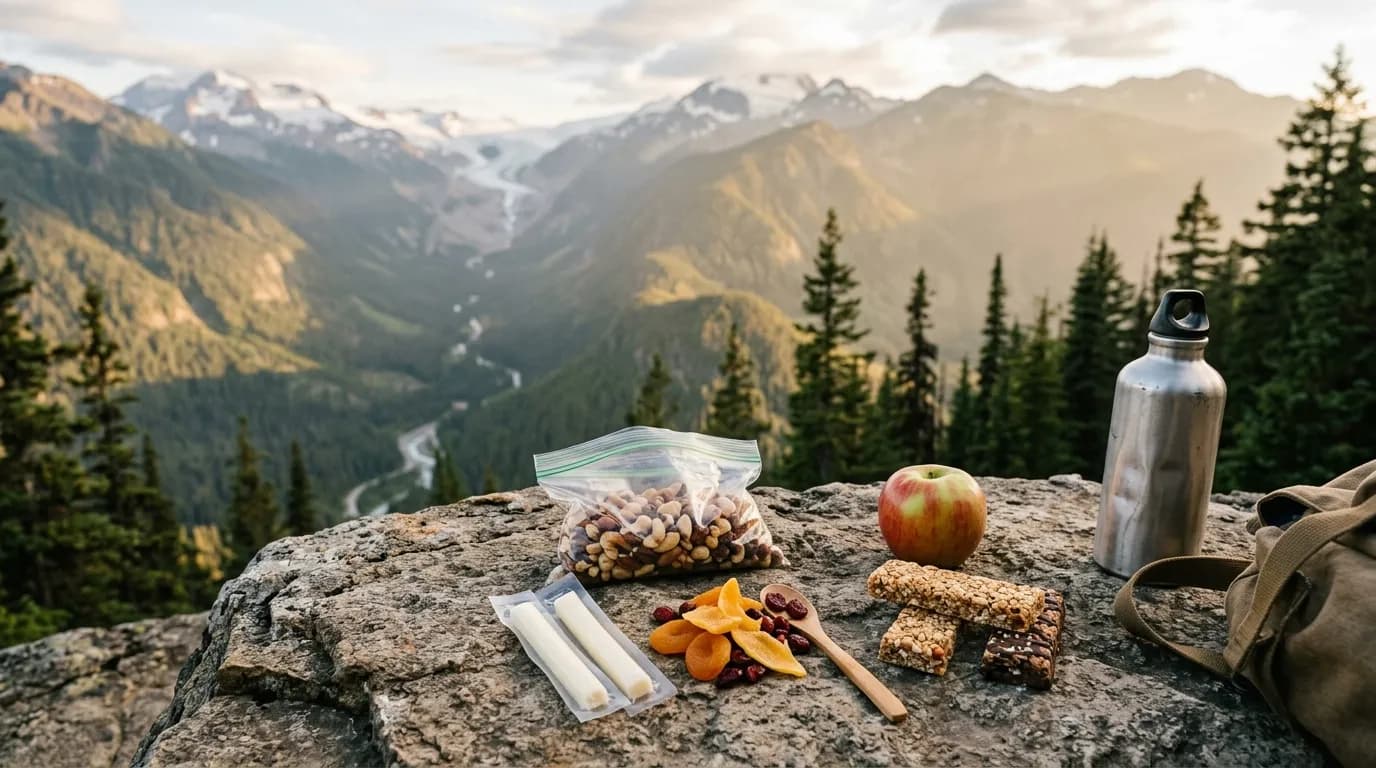
Food supports hydration too. Fruits, soups in thermoses on cold days, and balanced snacks help fluid retention. See best trail snacks for day hikes for lightweight fuel that pairs with steady drinking.
Signs You Are Falling Behind
Learn to notice early signals:
- Darker urine than usual or infrequent bathroom breaks
- Headache, irritability, or unusual fatigue disproportionate to effort
- Dizziness when standing after a rest
- Dry mouth combined with slowing pace you cannot explain
Stop in shade, sip steadily, eat a little salt and carbohydrate, and reassess. Turning back early is a skill, not a failure. This article offers general outdoor education, not medical diagnosis—seek help for severe or worsening symptoms.
Starter Plan: Dial In Your Water for Three Hikes
Hike A — Known short loop (2–3 hours moving): Carry 2 liters regardless of weather if temperature exceeds seventy degrees; 1.5 liters if cool. Do not filter yet—keep variables simple. Note remaining water at the car.
Hike B — Same distance, warmer day or more gain: Increase by 0.5 liter. Set sip reminders. Compare fatigue levels to Hike A.
Hike C — Longer or with planned filter stop: Carry two-thirds of estimated need, refill at a marked stream with treatment you practiced at home. If refill fails, turn back before half your dry reserve is gone.
After three hikes, you will have a personal baseline tighter than any internet formula.
Common Mistakes
- One bottle because the trail "looks short" — Vertical gain and sun multiply need.
- Drinking only at lunch — By noon on a hot climb, you may already be behind.
- Assuming winter means no water — Cold air still dehydrates; bottles freeze when ignored.
- No treatment on "maybe" streams — Maybe is not a hydration plan.
- Ignoring electrolytes on all-day sweat fests — Water alone does not fix every cramp scenario.
- Carrying all water in one fragile bladder — A split hose or leak emptying your only supply ends the day.
FAQ
Is there such a thing as drinking too much water on a hike?
Hyponatremia—overhydration diluting sodium—is rare but possible during long, slow events with excessive plain water intake and little food. Balance steady drinking with snacks and electrolytes on very long hot days. For typical day hikes, under-drinking is the more common beginner issue.
How do I know my bottle size in liters?
Check manufacturer markings. A standard "Nalgene-style" bottle is often about one liter (32 ounces). Two of those equal roughly two liters. Know your containers before you pack.
Should kids carry the same amount as adults?
Children generally need less total volume but more frequent reminders to drink. Adults carrying extra for young hikers on hot days is wise. Watch for crankiness and flushed faces as early cues.
Can I drink from trail spigots or park fountains?
Only if marked potable and maintained. Seasonal closures happen. Always have enough carried water to finish if a fountain is dry.
Do I need sports drinks?
Not for every hike. Half-day trips in mild weather work fine with water and normal food. Long, sweaty days benefit from electrolyte replacement via tablets, mix, or salty foods.
What about coffee before hiking?
Moderate caffeine is acceptable for most healthy adults if you are accustomed to it. Pair with normal water intake; do not let coffee replace trail hydration.
Planning Water for Groups and Shared Hikes
When you hike with friends or family, water planning gets social fast. The fastest hiker finishes with extra; the slowest may run dry if everyone packed for their own pace alone. Agree at the trailhead whether you will share reserves or stay self-sufficient. Self-sufficiency is the safer default on day hikes—you may split up at a junction or take different break lengths.
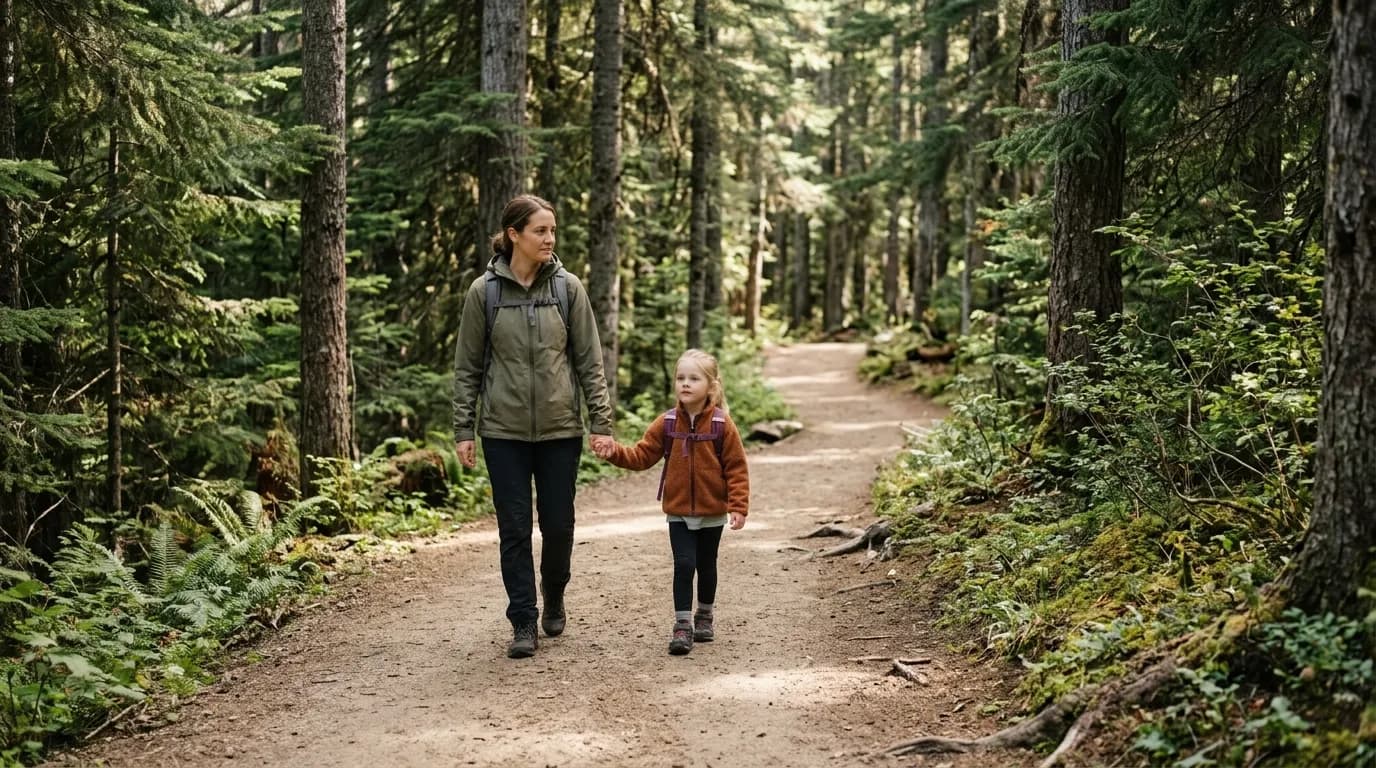
With children, adults should carry most of the volume and offer drinks on a schedule rather than waiting for a request. Kids hyperfocus on rocks and bugs and forget fluids until cranky. For group leaders, carrying one extra liter beyond personal need on hot group outings is a quiet kindness that prevents a miserable last mile for someone who under-packed.
On pet-friendly trails, remember dogs need water too if you bring them—but do not plan to share your bottle mouth-to-mouth with a dog and then wonder why you feel gross. A collapsible bowl and separate carried volume for pets keeps everyone hydrated without cross-contamination drama.
Refill Skills Worth Practicing at Home
If your route includes natural water, practice your filter or purification method in the backyard or kitchen sink before trusting it on trail. Screw-top filters, squeeze bags, UV pens, and chemical tablets each have failure modes: cross-threaded bottles, air locks, dead batteries, wrong contact time. A dry run means mid-hike refills feel boring instead of stressful.
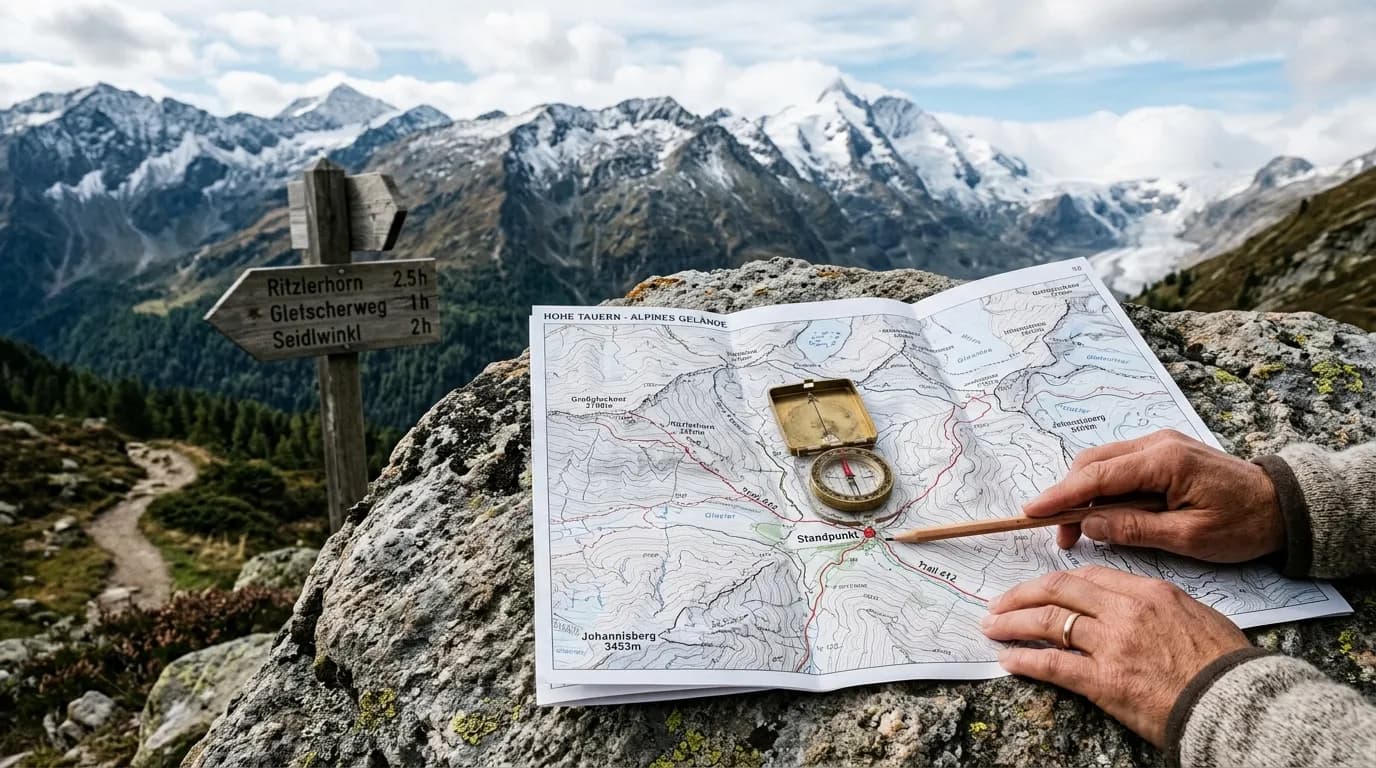
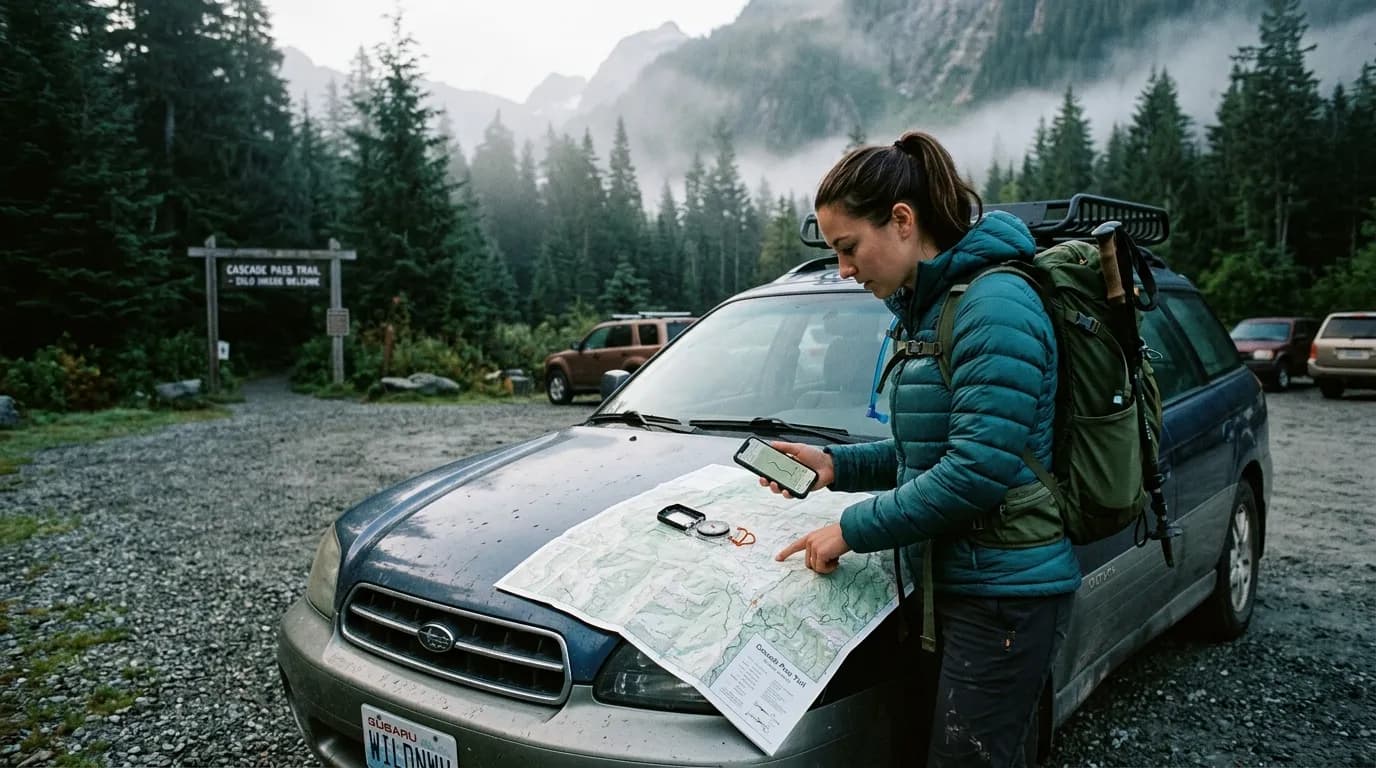
Mark on your map or app where sources usually appear and read recent trail comments when available. Seasonal streams vanish. A spring that flowed in May may be mud in August. Your carried water should stand alone if the source fails.
Related Reading
- Hydration Pack vs Water Bottles — choose a carry system that helps you drink
- Best Trail Snacks for Day Hikes — fuel that supports steady hydration
- Day Hike Packing List for Beginners — where water fits in the full kit
- Packing for a 10-Mile Day Hike — longer days scale water and food together
Hydration needs vary by individual health, medications, and conditions. This guide is general outdoor information, not medical advice. When in doubt on trail, err toward rest, shade, and steady fluids—and seek professional care for concerning symptoms.
Water weight is the honest part of your pack—it scales with the day you actually got, not the day you hoped for. Learn your hourly sip rhythm, pad the estimate when heat and ridge sun join the hike, and the empty bottle at the car will mean satisfaction instead of relief.