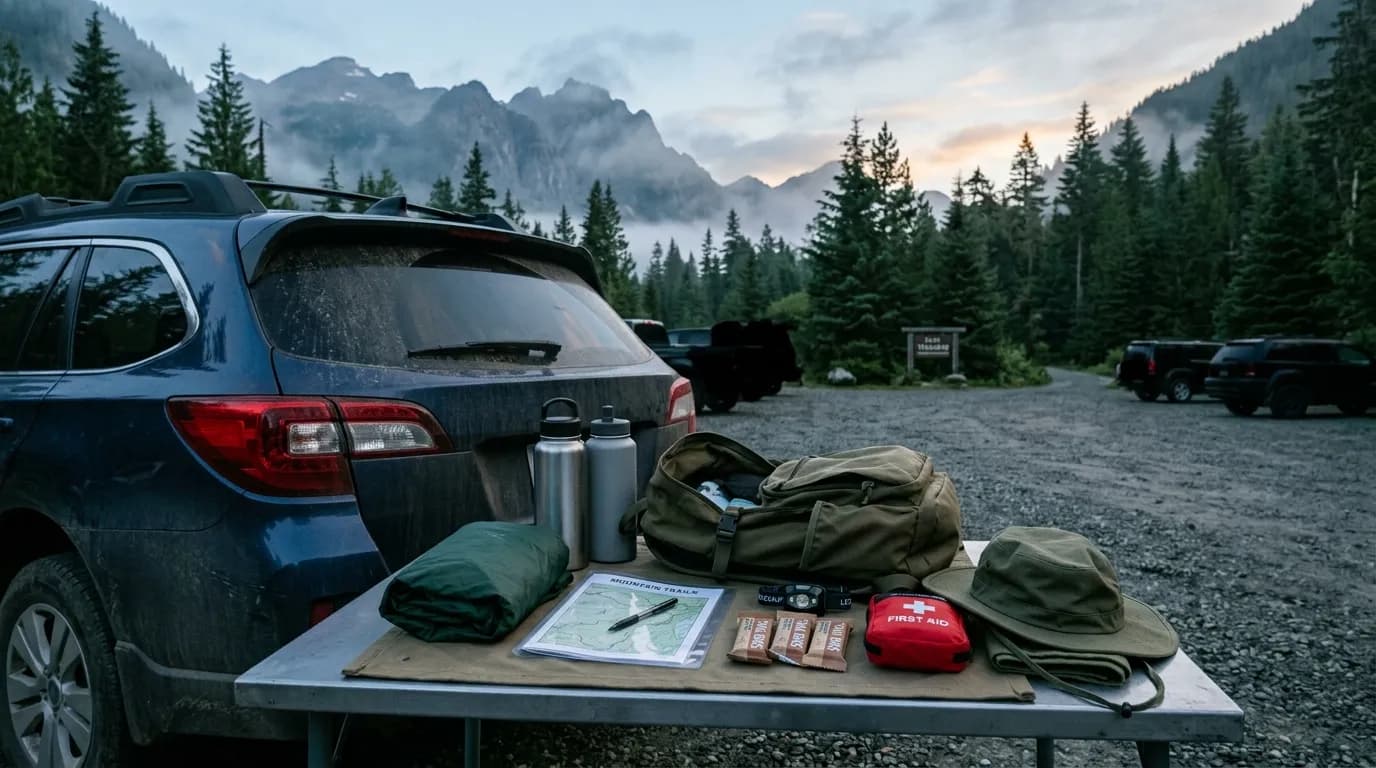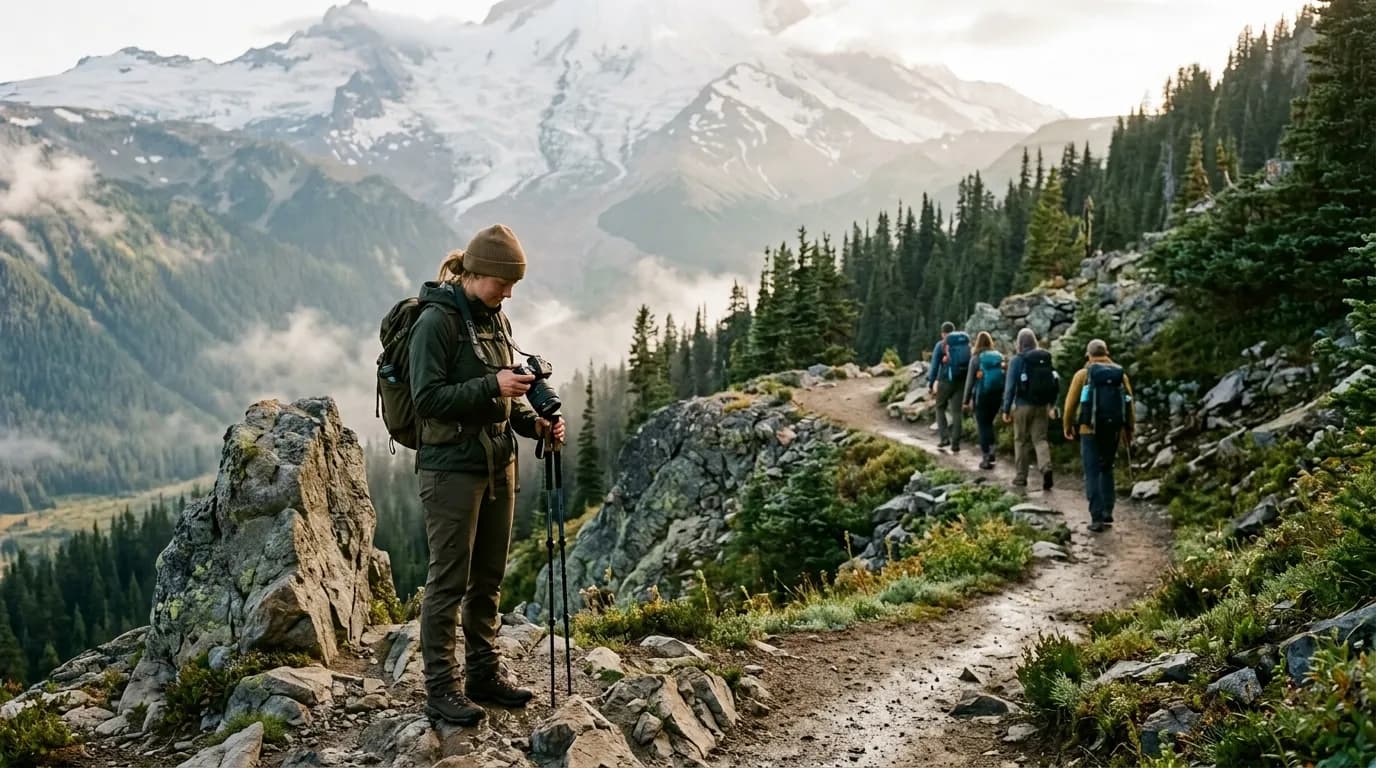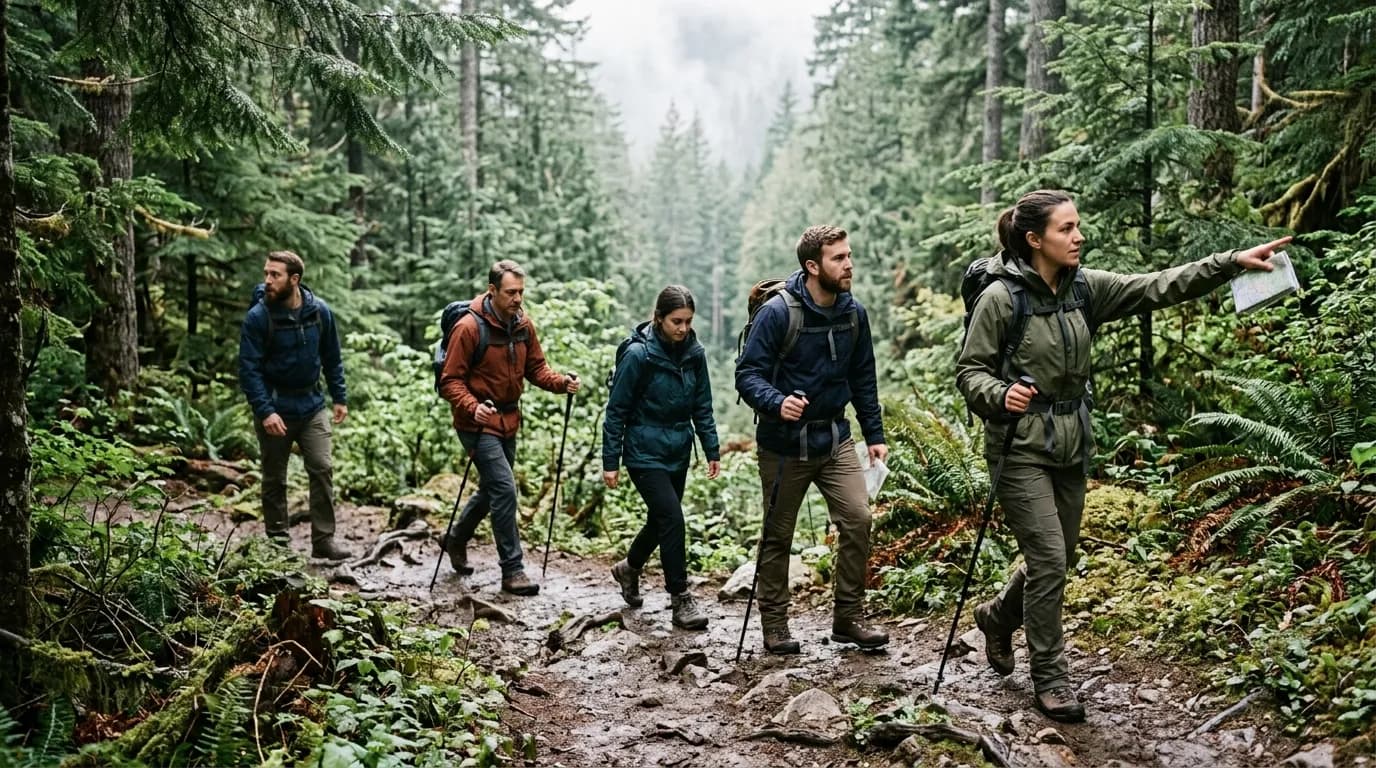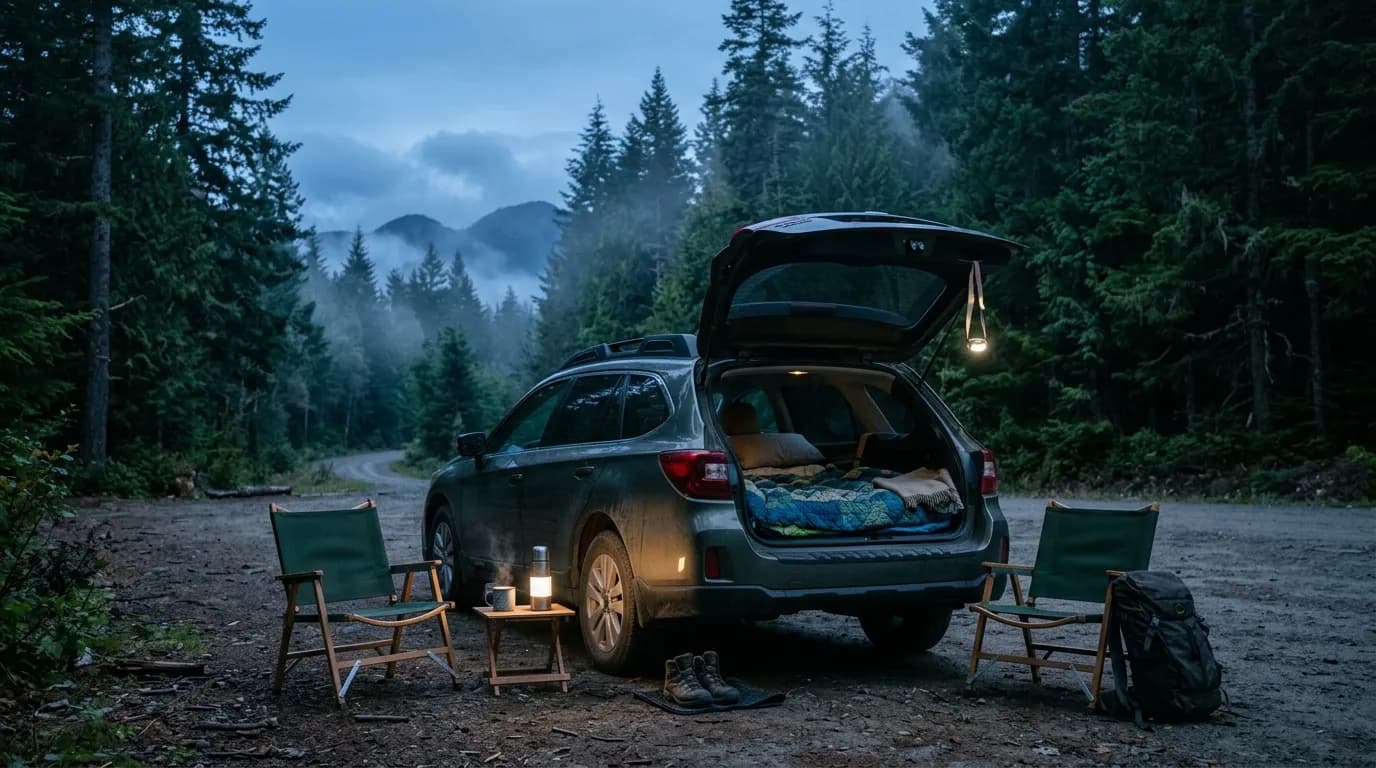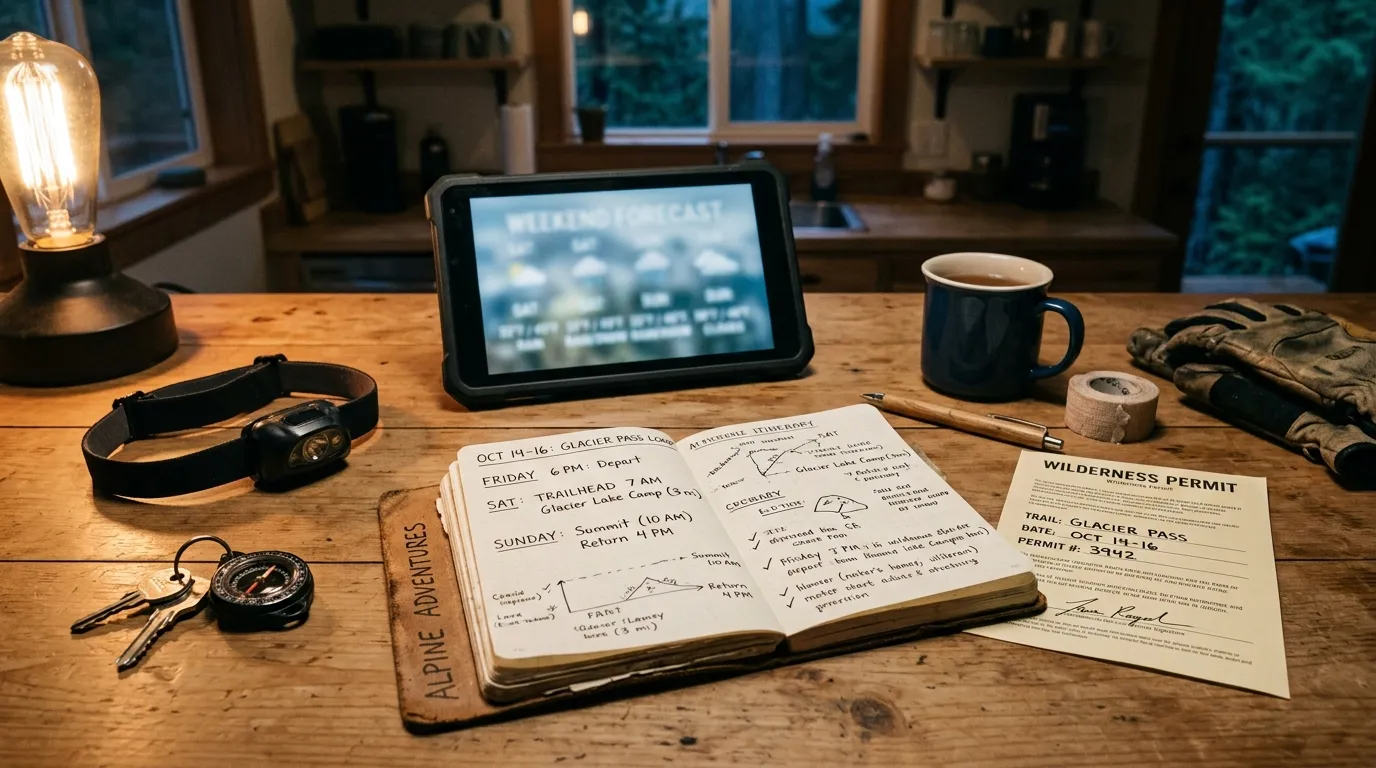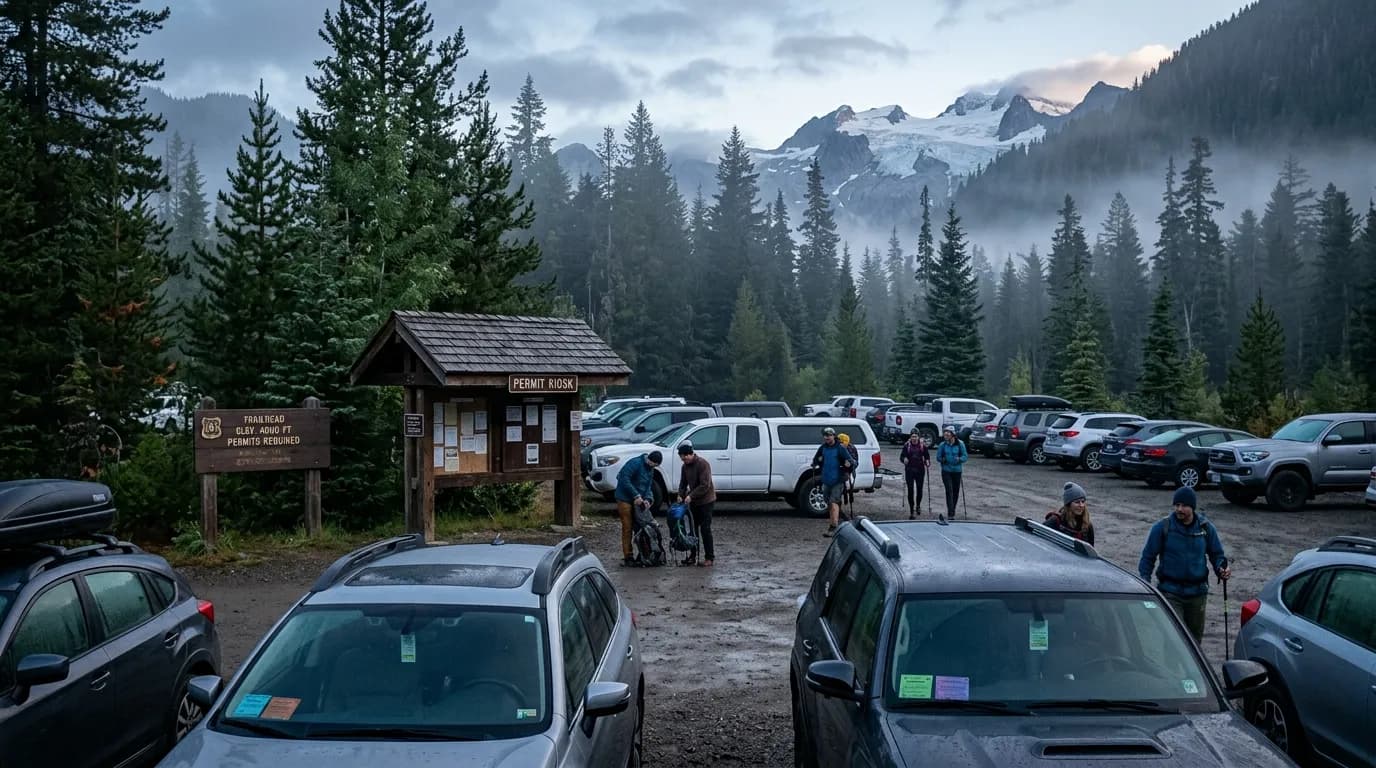
Parking and permits are the unglamorous gatekeepers of a good hiking day. You can pack perfect layers and still lose the morning staring at a full lot, realizing your reservation window closed twenty minutes ago, or discovering that the permit you bought applies to a different entrance ten miles away. Land agencies are not trying to ruin weekends—they are managing crowds, rescue load, and habitat—but the rules only feel fair when you know them before you leave home.
This checklist walks through what to verify for a typical weekend trail trip: parking reservations, timed entry, self-issue wilderness permits, vehicle registration on dashboards, alternate trailheads, and the screenshots worth saving offline. Use it alongside how to plan a weekend trail trip for timing and route fit. If you are still choosing where to go, our guide to choosing a first peak viewpoint hike helps match ambition to access reality.
Start with the correct land manager page
Search the official agency site for the trail name, not random blog posts from 2019. National parks, national forests, state parks, county open space, and tribal lands all run different systems. A permit valid in one national forest may not cover a trail that crosses into wilderness administered with separate quotas. Open the map layer that shows trailheads, parking lots, and wilderness boundaries together.
Confirm which trailhead your route actually uses. GPS apps sometimes send hikers to scenic pullouts or winter closures. Cross-check a official PDF map or reputable guide. Write down lot name, road name, and GPS coordinates you will verbally confirm on drive day.
Parking: reservation, first-come, or hybrid
Three parking worlds exist now. Fully first-come lots reward very early arrival on weekends and punish late sleepers. Reservation-only lots punish procrastination but reward planning; missed windows often forfeit the slot. Hybrid systems reserve a block of spaces and leave some first-come—know which category your lot uses.
Read fine print on grace periods. Some systems allow arrival up to an hour late; others mark no-shows exactly at slot start. Check cancellation policies in case weather forces a change. Note whether you must display a printout, a dashboard pass, or a license plate tied to an online account.
Parking checklist items
- Official lot name matches your route trailhead.
- Reservation date, entry window, and confirmation number saved offline.
- Vehicle plate registered correctly if required.
- Payment method understood: app, card kiosk, exact cash.
- Alternate lot identified if primary fills.
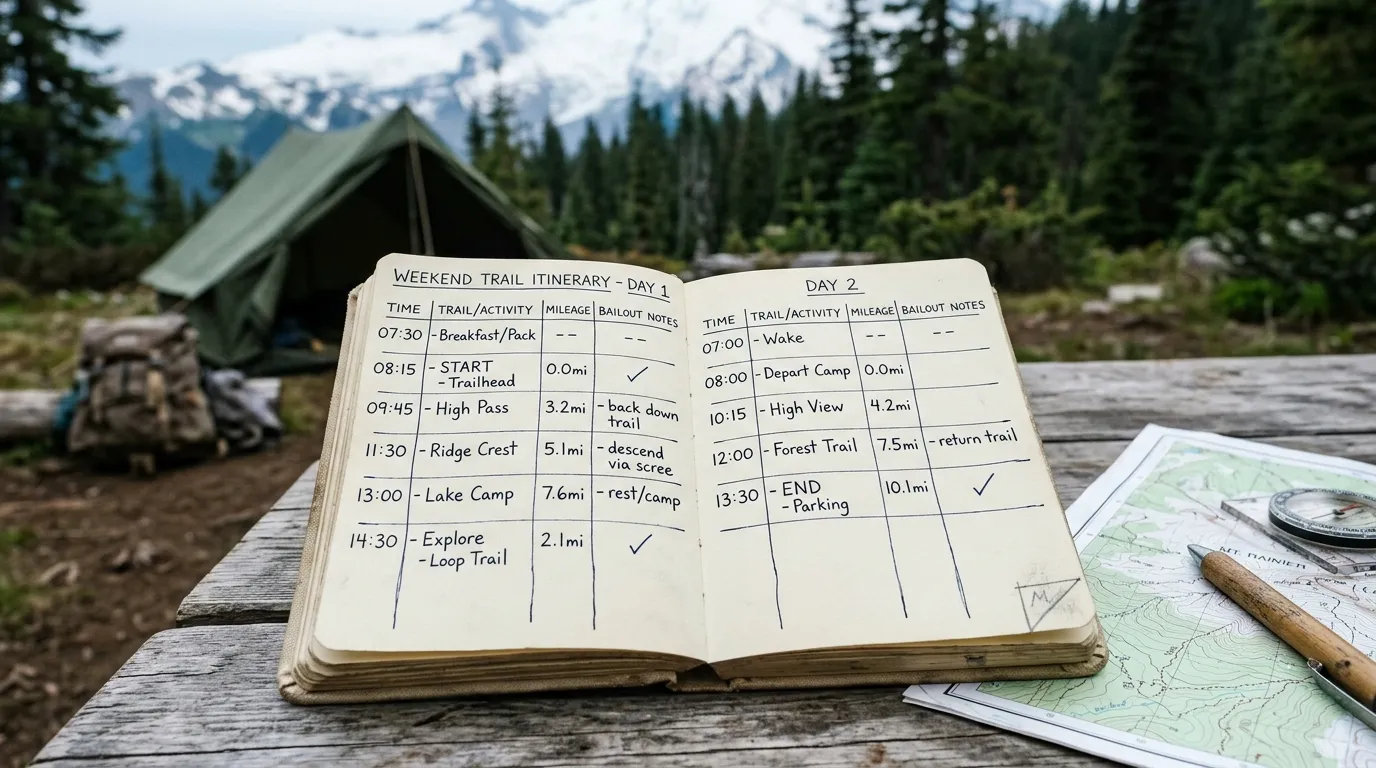
- Gate hours and lock times for exit after sunset hikes.
Permits beyond parking: wilderness and daily quotas
Some trails require free self-issue permits at a kiosk. Others require online wilderness permits with daily caps. Peak bagging routes in popular wilderness areas may release slots months ahead. Day-hike quotas still mean you need a paper or PDF permit even if you sleep in your own bed.
Understand group size limits and whether dogs count toward rules differently. Check if permits are per person or per party, and whether you must list a trip leader contact. For cross-jurisdiction hikes, you may need two permits— annoying, but cheaper than a citation.
Print or screenshot QR codes when cell service at the trailhead is unreliable. Ranger checks happen at odd hours on popular routes. A dead phone is not an excuse land managers accept often.
Fees, passes, and what goes on the dashboard
America's public lands mash together entrance fees, parking fees, and recreation passes. An annual pass might cover entrance but not parking. A parking reservation might not include wilderness permit fees. Read totals before checkout.
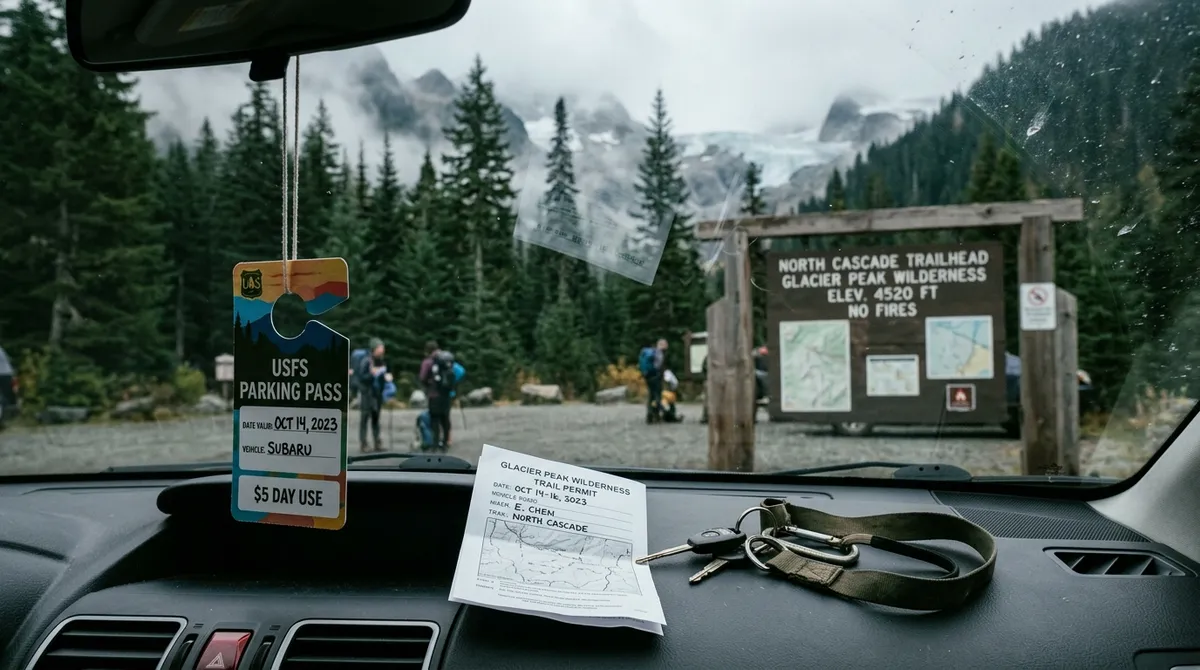
Common display rules: hang pass tag on mirror, place receipt on dashboard face-up, write expiration time on slip, or show digital barcode at a checkpoint before parking. If you carpool, ensure the pass is valid for the vehicle you take. Some passes are tied to pass holder presence—another person cannot borrow your annual tag without you there.
Timed entry and seasonal closures
Timed entry systems spread crowds by assigning arrival windows. They differ from parking reservations; you might need both. Seasonal road closures change which trailheads are reachable—snow gates, fire closures, and flood damage persist on maps longer than you expect. Verify road status within a week of travel, then again morning-of if storms hit.
Construction and shuttle-only periods happen in national parks. You may park remotely and bus in, adding an hour each way. That hour belongs in your weekend plan, not treated as surprise padding on trail.
Alternate trailheads and plan B access
Identify a second legal trailhead that reaches similar terrain or a shorter variant. If the primary lot is full or your reservation fails, plan B saves the weekend. Verify plan B permits separately—assumptions kill days. Sometimes plan B is better scenery with less bureaucracy; first-time peak seekers benefit from comparing options in choosing a first peak viewpoint hike.
Avoid illegal roadside parking when lots fill. Towing is expensive; walking on highway shoulders is dangerous. If both plans fail, have plan C: a nearby lower-elevation trail you know is unrestricted, or a coffee shop and reschedule while motivation is still warm.
Weekend-specific timing tactics
Saturday slots vanish first. Book midweek when releases drop if your system uses rolling windows. Some apps notify when cancellations appear—enable alerts. For Sunday, slightly later slots may still work if your route fits daylight.
Carpool when rules allow—it reduces parking pressure and sometimes qualifies for carpool lanes at gates. Align who drives with whose pass is valid. Split costs transparently so nobody silently resents being default driver every week.
At the trailhead: final five-minute audit
Before you shoulder packs, walk through: permit displayed or packed, parking tag visible, correct lot (sign names match plan), group size matches permit, bear canister if required, dogs leashed if required. Photo your dashboard setup so you remember orientation if rangers leave a note.
Pick up self-issue permits even when lines are long—skipping because "everyone else did" is how fines happen. Fill forms completely; illegible writing slows everyone. Keep a pen in the car door.
International visitors and new hikers
If your group includes visitors unfamiliar with US pass systems, assign one person to explain fees before arrival to avoid gate confusion. New hikers often underestimate that popular Instagram trails have real infrastructure constraints—use this checklist as onboarding, not shame.
When things go wrong anyway
Full lot with valid reservation: find ranger or call number on sign; document confirmation on phone. Wrong pass: buy day pass if available before hiking—do not assume forgiveness. Closed road: execute plan B without improvising illegal access roads.
Learn once, update your template. Save PDFs in a folder named by trail system. The second visit to the same area should take five minutes of admin, not forty.
Quick reference: before you go
- Official trailhead confirmed on agency map.
- Parking reserved or early-arrival plan documented.
- Wilderness or day-use permit obtained if required.
- Pass/fees paid; display method understood.
- Alternate trailhead researched with its own permit rules.
- Road and gate status checked within 72 hours.
- Screenshots and printouts stored offline.
- Group aligned on late-arrival and no-show policies.
National park versus national forest: different admin worlds
National parks often combine entrance fees, timed entry, parking reservations, and backcountry permits in layered systems. National forests may look casual until you hit a wilderness quota trail with daily limits enforced at a remote trailhead. State parks vary wildly—some use simple day-use fees, others use dynamic pricing on peak weekends.
Never assume a federal pass covers everything. America the Beautiful passes cover many entrance fees but not all parking surcharges or wilderness lottery wins. Read the checkout page total line by line.
Shuttle systems and drop-off logistics
Popular valleys sometimes require parking remotely and riding shuttles. Factor shuttle frequency into your timeline—missing the last shuttle turns a day hike into an unplanned overnight. Know where drop-off points differ from parking lots. Some shuttles allow bikes or dogs; others do not.
Two-car shuttle hikes need both vehicles permitted at respective lots. Meet-up logistics fail when one car lacks a reservation at the far end. Coordinate keys, drivers, and recovery times before split starts.
Digital tools and failure modes
Apps for reservations can crash on release day. Create accounts early, store payment methods, and screenshot confirmations immediately. PDF readers offline matter. Paper backup still wins when batteries die at the gate.
License plate typos invalidate online parking—double-check characters. RV length and oversize vehicle rules exclude some lots; do not discover that at a narrow entrance.
Permit ethics and quota respect
Quota systems exist because search-and-rescue and ecological impact scale with headcount. Borrowing permits, inflating party size, or camping without required wilderness passes erodes access for everyone. If you cannot get a permit, choose another trail instead of hoping for lax enforcement.
Accessibility and special accommodation
Some agencies offer ADA parking closer to trailheads or alternate access with valid passes. Medical placards interact differently with fee systems—call ahead. New parents with strollers need different trailheads than summit chasers; matching access to group capability is part of planning covered in weekend trip planning.
Building a personal access library
After each trip, save the agency URL, fee page, and reservation system name in a spreadsheet or notes folder tagged by region. Next season you skip rediscovering the same PDF maze. Share the folder with regular hiking partners so anyone can book when release days hit midweek while you are at work.
Peak release-day strategy
Popular permits release on fixed schedules—often 7:00 a.m. local time months ahead. Set calendar reminders. Have two route options ranked so if your first choice sells out in minutes, you still book something good instead of panic-scrolling. Weekday releases see less competition than weekend slots.
Common parking mistakes to avoid
Arriving without knowing whether lots fill by 6:00 a.m. or 9:00 a.m. wastes reservations. Unofficial pullouts block fire access and invite tickets. Expired passes on the dashboard end days early. Splitting a wilderness party across two trailheads when permits require one entry fails at the register.
Fix with one shared doc per trip: lot name, window, pass type, plate, alternate lot, ranger phone. Five minutes typing beats forty minutes circling a full lot while light burns.
Walk-through: booking a typical timed weekend
Tuesday: confirm trailhead on agency map. Wednesday: create account on reservation site if needed. Thursday: book slot when releases open; screenshot QR. Friday: verify road status, print backup, message group with meet time. Saturday: dashboard display check before locking car. Each step is small; skipped steps compound into morning chaos.
Linking permits to your first peak choice
Beginners often pick peaks before checking access complexity. Reverse the order when learning: shortlist peaks with simple parking, then choose scenery. Our first peak viewpoint guide pairs well with this checklist so ambition and bureaucracy stay aligned.
Group coordination templates
Send one message midweek with: trail name, trailhead lot, reservation holder name, arrival window, pass type, and plan B lot. Ask for vehicle plate numbers if the system requires them. Confirm who cancels if weather no-goes so slots return to the pool for others. Good citizenship keeps systems working for hikers who plan after you.
For mixed-experience groups, assign one "access lead" who owns permits and parking while others own food or navigation. Splitting admin prevents duplicated reservations and missed fees. New hikers learn faster when one person models the checklist aloud once per season.
After the hike: close the loop
Screenshot any new signs you saw, note if lots filled earlier than expected, and update your personal access library. Report broken pay stations or confusing signage to the agency contact page—many improvements come from specific hiker reports, not vague complaints on social media.
Reservation systems compared at a glance
Most frustration comes from treating different systems like one generic "ticket." Timed entry controls when you may enter a park zone. Parking reservations hold a space in a specific lot. Wilderness permits authorize travel on a trail segment regardless of where you parked. Day-use passes prove fee payment at a kiosk. You may need three of four on one trip. Read checkout screens for each label rather than assuming one confirmation covers everything.
Write confirmations in a shared group chat with screenshots the night before. Include reservation name, plate number, entry window in local time, and a link to the agency FAQ. When someone asks "did we park or did we enter?" at 5:30 a.m., the chat answers without waking the planner.
FAQ
What if I arrive late to my parking reservation window?
Policies vary: some systems forfeit the slot at the end of the window; others allow grace periods of thirty to sixty minutes. Read the fine print when booking and screenshot it. If you are stuck in traffic, call the number on the confirmation email before the window closes—occasionally staff can note your plate or rebook a later slot if capacity exists.
Do I need a permit for a short day hike?
Sometimes yes. Popular wilderness trailheads enforce daily quotas even for out-and-back day trips. Distance does not exempt you—location and land designation do. Always check the official trail page. Self-issue kiosks take two minutes; citations take longer and cost more.
Can I park at one trailhead and start from another?
Only if both lots are legal for your route and your permits cover the trail you actually hike. Crossing from an unrestricted lot onto a quota trail without a permit fails at wilderness boundaries. Plan B trailheads need their own permit research, not assumptions copied from plan A.
Are annual passes worth it for weekend hikers?
If you visit fee areas more than three or four times a year in the same network, annual or interagency passes often pay back quickly. They rarely replace parking reservations or wilderness lotteries—budget for both pass and slot fees where systems stack. Track receipts for one season before buying premium passes on optimism alone.
What should I do if the lot is full despite my reservation?
Stay calm, find the ranger station or call the number on the sign, and show your confirmation on your phone. Document the time and your plate. Do not block fire lanes or park on highway shoulders. If staff cannot resolve it, execute plan B from your checklist rather than improvising illegal parking that risks tow fees and endangers others.
Related Reading
- How to Plan a Weekend Trail Trip — fit parking admin into the full weekend arc
- How to Choose Your First Peak or Viewpoint Hike — match ambition to access complexity
- Trail Itinerary Template for a Two-Day Weekend — document times including shuttle and gate hours
- Hiking Weather Go / No-Go Checklist — when to cancel a reserved slot safely
Permit rules change by agency and season. Verify on official sites before travel—this guide is educational, not legal advice.
Parking and permits are part of the hike, not paperwork you tolerate. Treat them with the same seriousness as water and layers, and your weekends stop bleeding hours to preventable friction. Lock access early, keep backups honest, and save your brain for the trail—not the lot attendant's explanatory sigh.