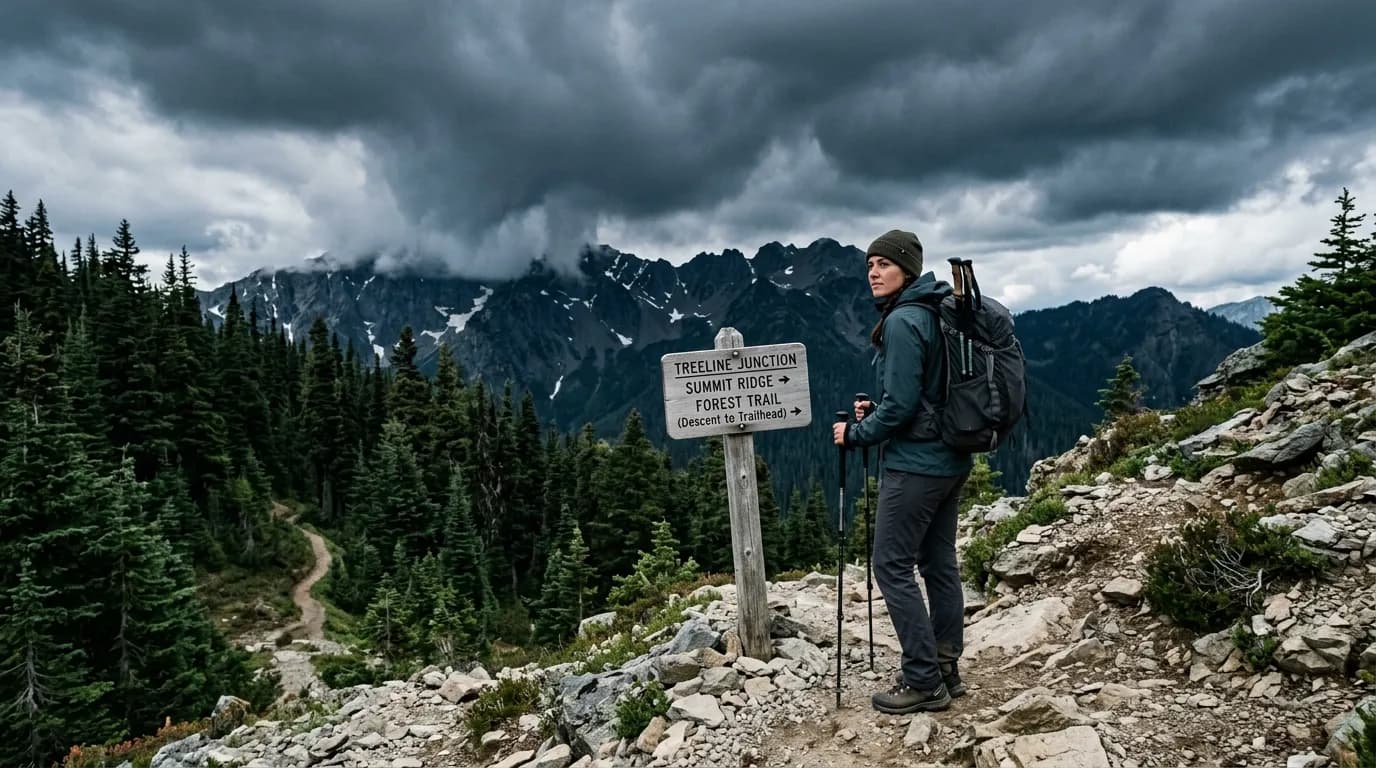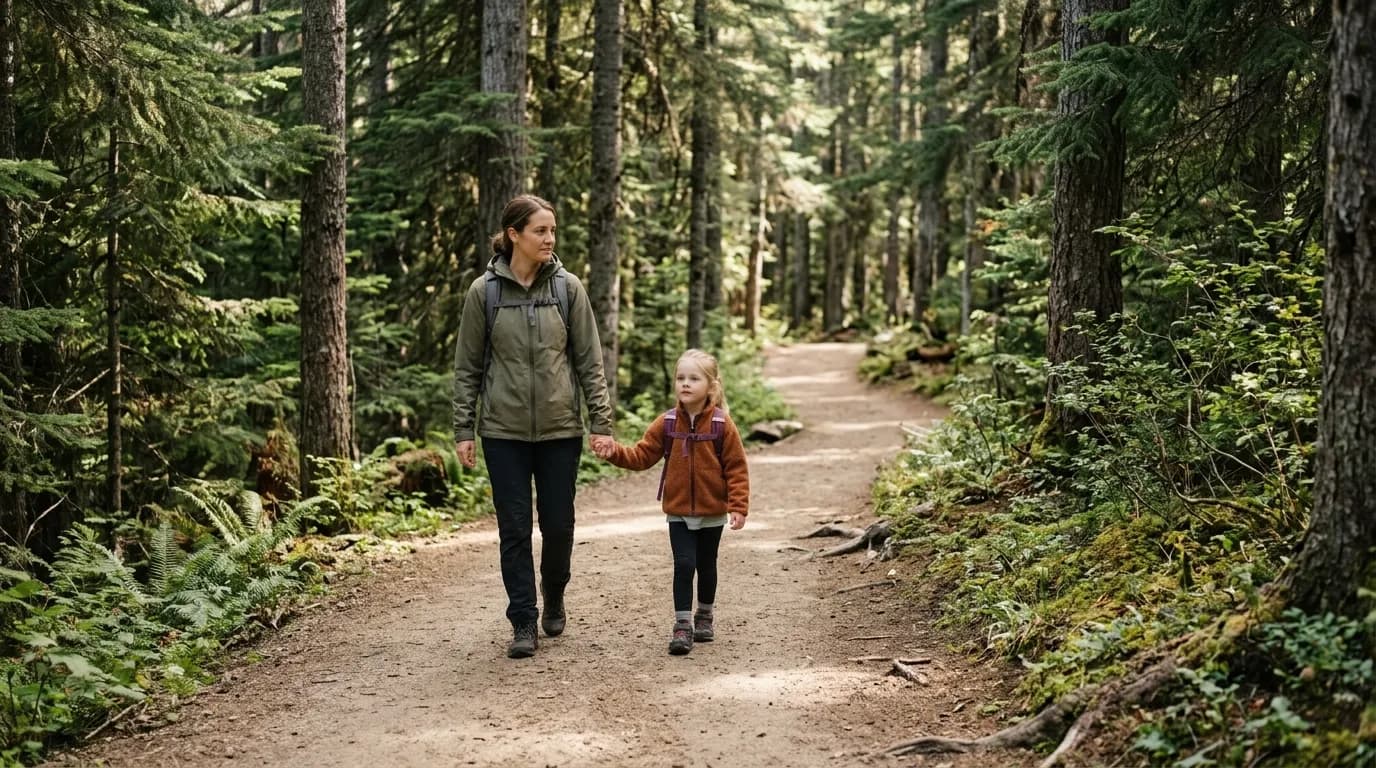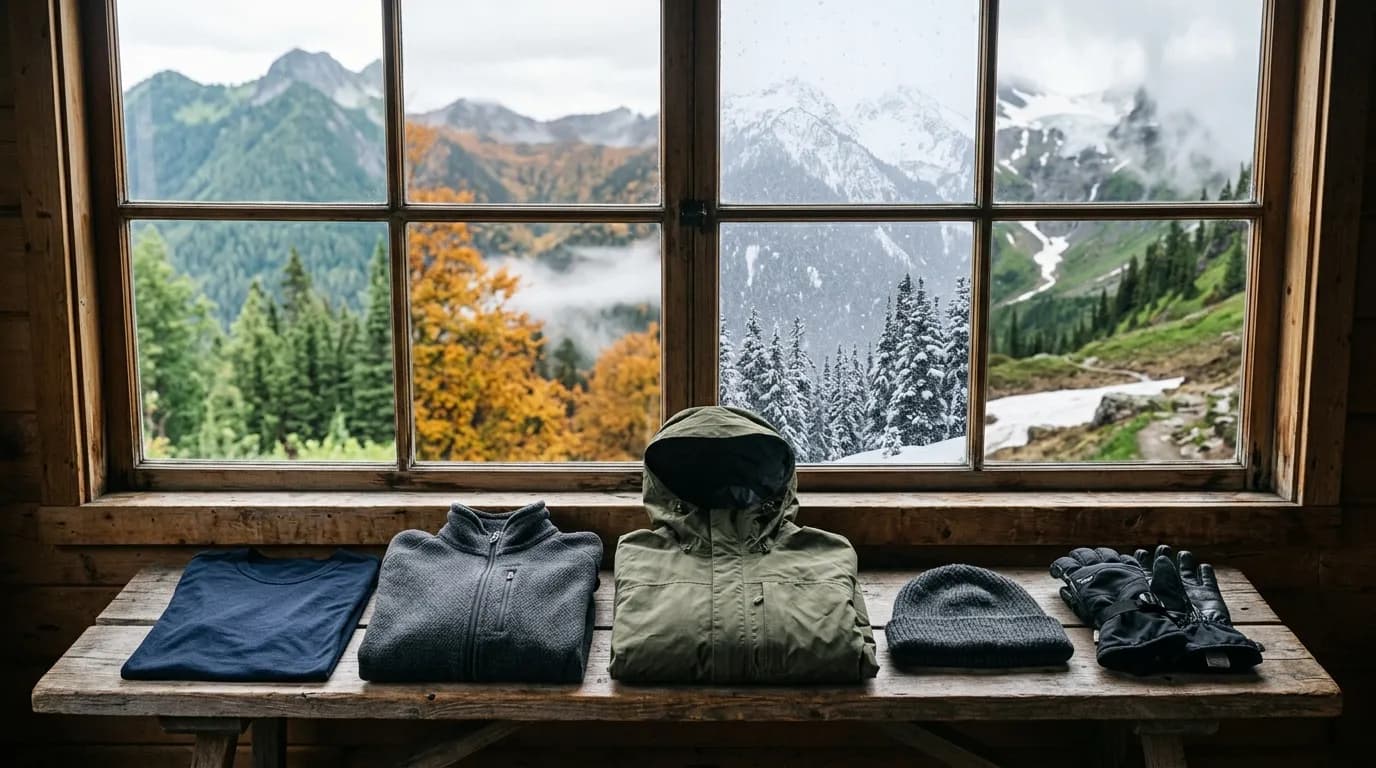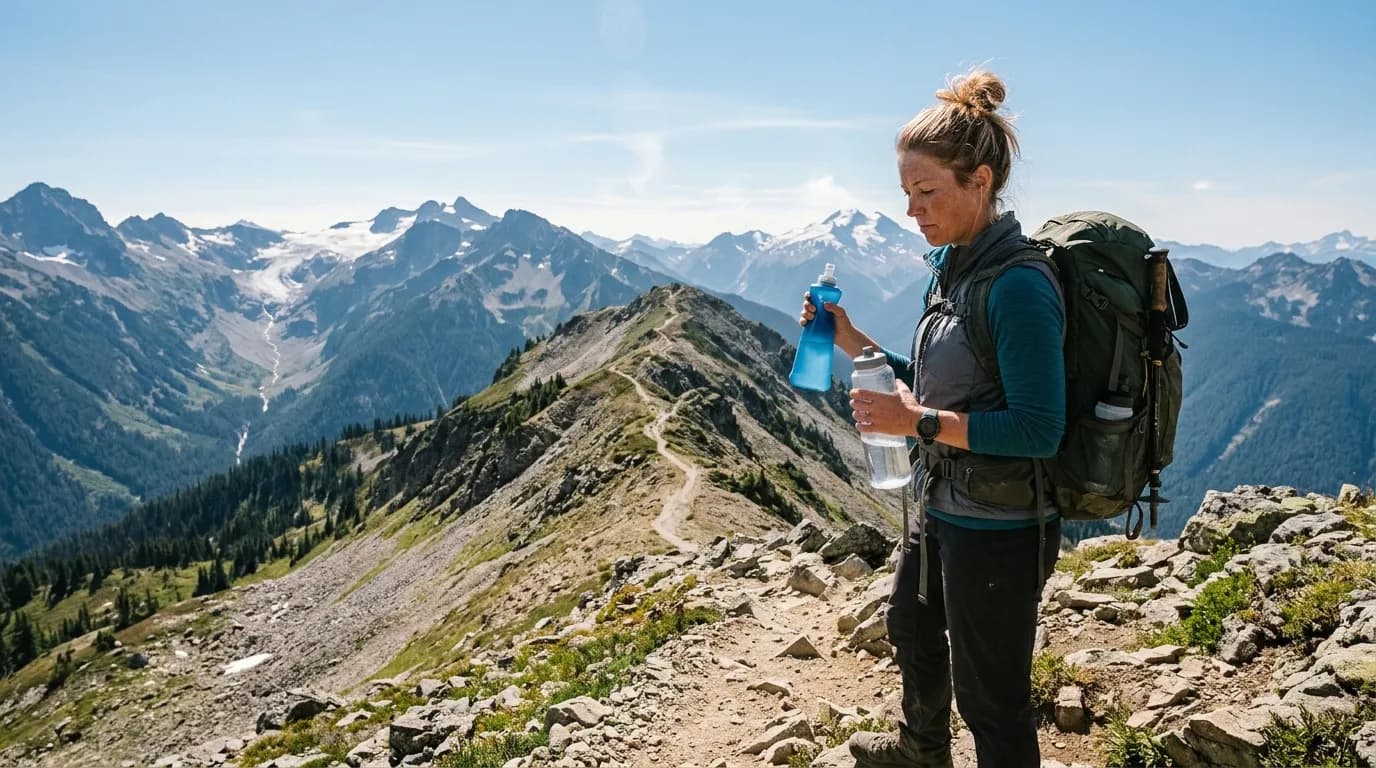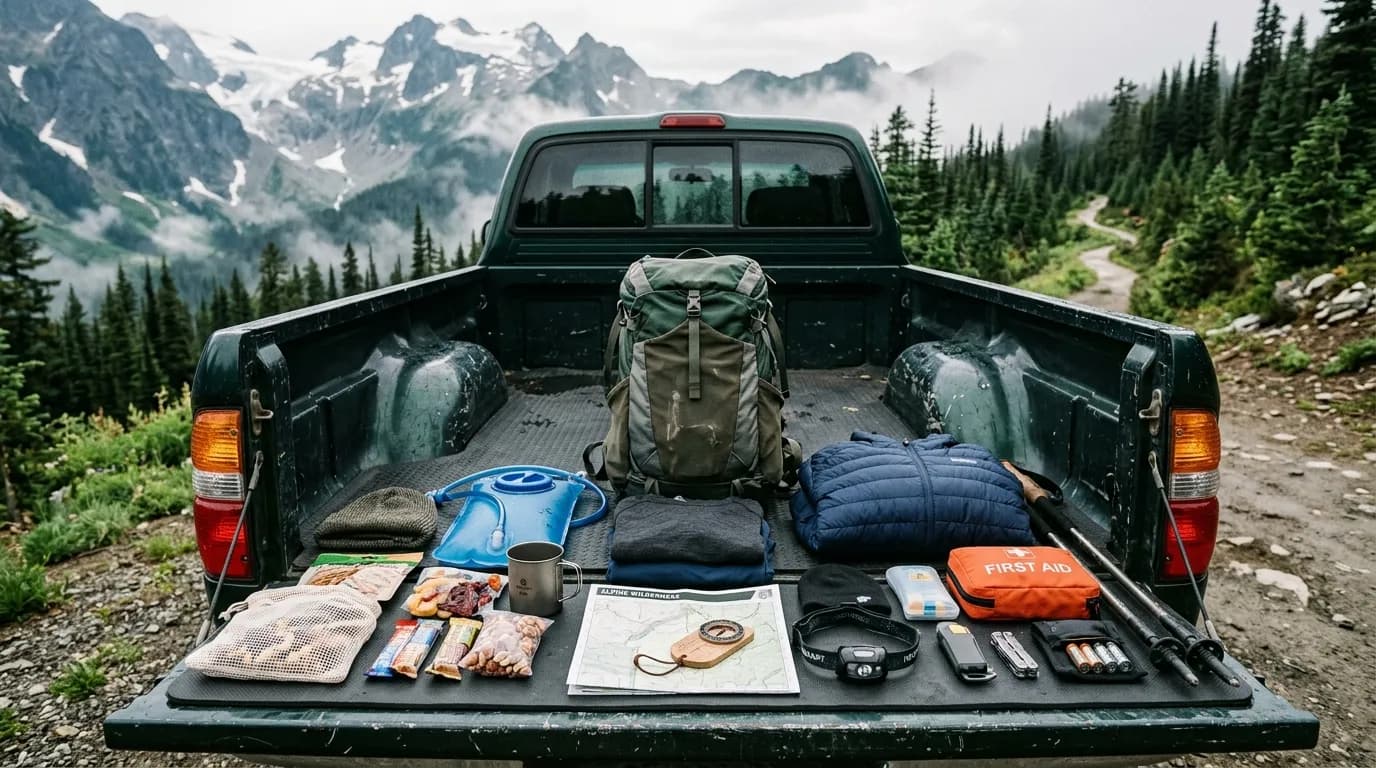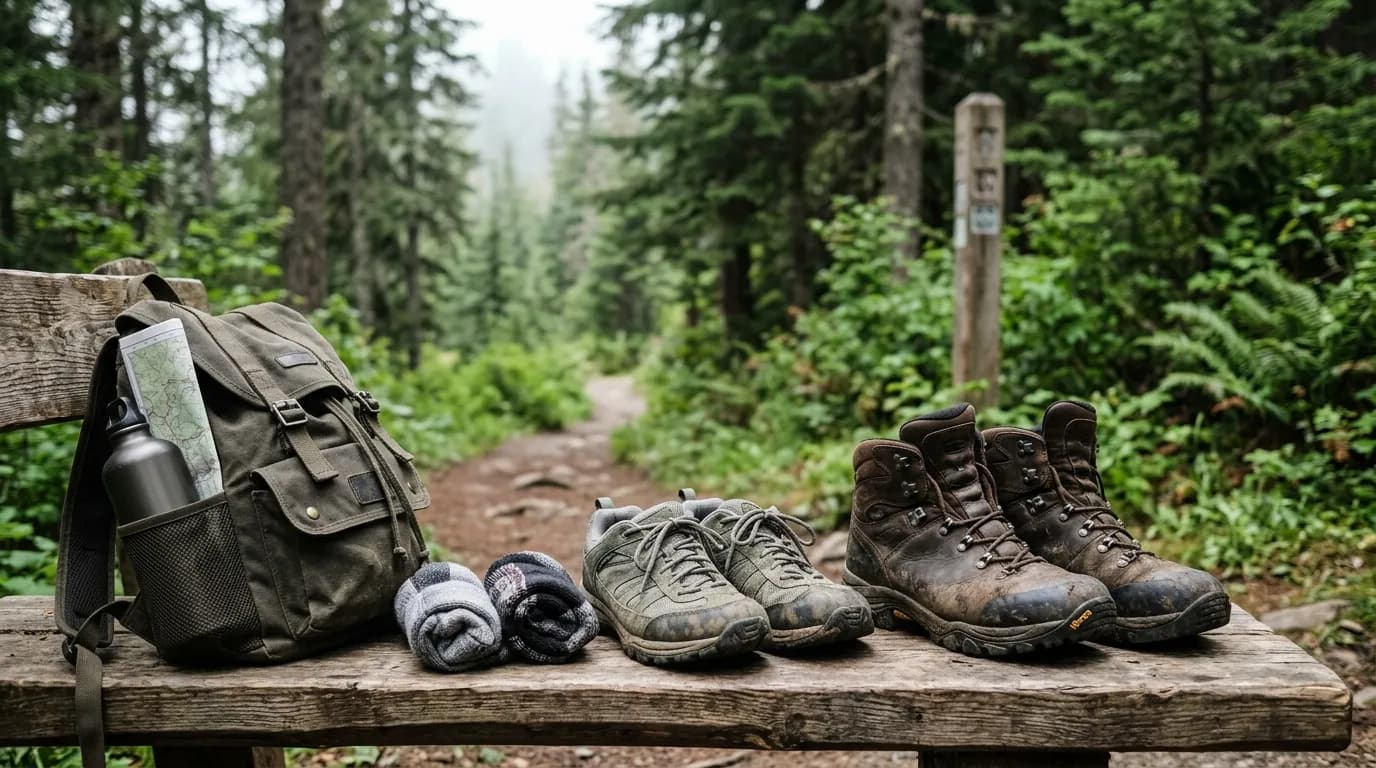
I used to think boots were the uniform of serious hikers and shoes were what you wore when you were not sure you belonged on the trail yet. Then I wore heavy boots on a hot, dusty ridge trail in late June and watched a runner in trail shoes float past me while I stopped every mile to adjust laces that would not quite find a comfortable spot. The boots were fine. They were also the wrong tool for that day, that terrain, and my feet. Footwear is not a loyalty test. It is a match between your body, the ground under you, and how long you plan to be out there.
Day trails—marked paths you complete between breakfast and dinner—ask a different question than multi-day backpacking routes through scree and snow. You do not need to solve every wilderness scenario with your ankles. You need stable footing, reasonable protection from rocks and roots, and a shoe that still feels good when you are tired on the way down. This guide compares hiking shoes and boots for day hiking specifically: what each does well, where each falls short, and how to decide without standing in an outdoor store paralyzed by wall displays.
What We Mean by Shoes and Boots
Language gets muddy here because brands use overlapping terms. For this article:
- Trail running shoes / trail runners — Low-cut, flexible, grippy outsoles, often lighter and softer underfoot. Built for speed and feel on varied terrain, with less structure around the ankle.
- Hiking shoes / approach shoes / light hikers — Low-cut or mid-cut shoes with firmer midsoles, protective toe caps, and tread designed for dirt and rock rather than pavement. A middle ground between runners and boots.
- Day hiking boots — Mid-cut or high-cut footwear with stiffer soles, more ankle coverage, and often waterproof liners. Heavier, more supportive, slower to break in.
Within each category, models range from featherweight to burly. Two "hiking shoes" can feel nothing alike. Still, the cut height and sole stiffness usually tell you which camp you are in.
How Day Trails Differ From Other Hiking
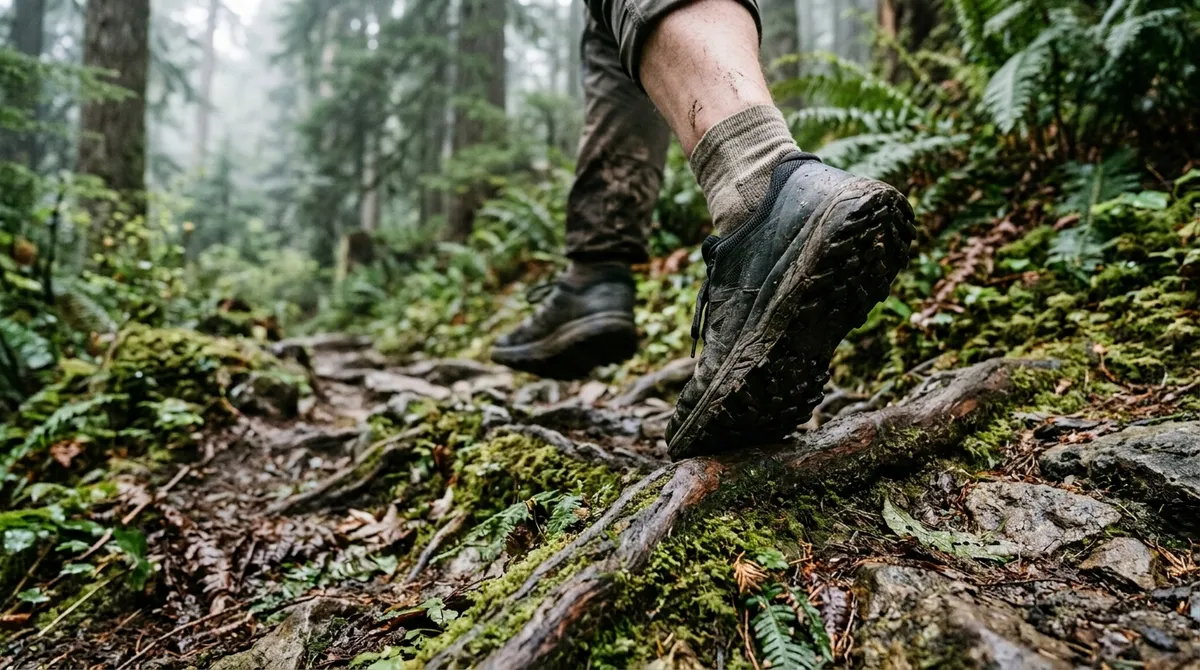
Day hikes on established trails share a few traits that shape footwear choice:
- You carry a lighter pack than on overnight trips—often ten to twenty pounds, sometimes less.
- Distance is fixed; you are not walking on sore feet for three days straight unless something went wrong.
- Many beginner and intermediate day trails are maintained, with graded switchbacks and clear tread.
- You may encounter mud, stream crossings, loose gravel, and rocky sections, but rarely need mountaineering-level stiffness.
That profile pushes many day hikers toward shoes or light hikers. Boots still earn their place when loads, terrain, or ankle history demand more structure. The trick is knowing which side of the line your typical hike falls on.
Hiking Shoes: Strengths on Day Trails
Light Weight and Less Fatigue
Every ounce on your feet costs more energy than the same ounce on your back. Over eight miles and two thousand feet of gain, lighter shoes can mean legs that still agree to the descent. Shoes also dry faster after shallow stream hops or dew-soaked grass—nice when you are back at the car by afternoon.
Natural Movement and Faster Break-In
Most trail shoes and light hikers flex where your foot flexes. Break-in might take a few neighborhood walks rather than a month of short hikes. For someone planning their first season on trail, that matters. You can test fit and hotspots before committing to a long day. Our guide on breaking in hiking footwear walks through a sane schedule so new shoes do not ruin a summit plan.
Breathability in Warm Weather
Low-cut, non-waterproof shoes vent heat well. On summer day hikes in dry climates, sweaty waterproof boots can feel like saunas. Mesh uppers and thinner materials keep morale higher when the trail is exposed and the sun is direct.
Where Shoes Struggle
Shoes offer less ankle coverage and usually less torsional stiffness. On steep side slopes with heavy packs, loose scree, or sharp talus, you may want more bite and protection. Deep mud can overwhelm low collars. And if you have a history of rolling ankles, the minimal support of a flexible runner may not feel reassuring—even if many people hike injury-free in shoes for years.
Hiking Boots: Strengths on Day Trails
Ankle Coverage and Stability
Mid-cut boots wrap the ankle bone and limit extreme roll angles. They do not prevent sprains by magic—weak muscles and tired steps still matter—but they add a sense of stability when carrying weight or crossing uneven rock fields. Some hikers simply feel more confident in boots on rugged descents.
Protection Underfoot and Around the Foot
Stiffer soles reduce stone bruises when you step on hidden rocks. Higher collars keep debris out and protect against scrapes on narrow trails cut into hillside. Waterproof boots (when the membrane still breathes adequately) handle slush and cold rain better than mesh shoes.
Load Carrying
If your day hike is really a "day hike plus"—photography gear, extra water for kids, winter layers—a slightly heavier boot can pair better with a heavier pack. The footwear supports the load; the load does not twist the shoe as easily.
Where Boots Struggle
Weight and break-in top the list. Stiff boots that fit poorly cause blisters in predictable places: heels, insteps, toes on downhills. Waterproof models trap heat. On flat, dry, well-groomed trails, boots can feel like overkill—like wearing winter coats to a picnic.
Side-by-Side Comparison for Day Hikers
- Weight — Shoes win. Boots add ounces that multiply over miles.
- Break-in time — Shoes win for most models. Boots demand patience.
- Ankle support — Boots win on paper; shoes win for mobility. Real-world injury rates depend on fitness, terrain, and fit more than category alone.
- Water protection — Waterproof boots beat non-waterproof shoes in wet brush and cold rain. Shoes win for drying speed after they get wet.
- Traction — Depends on outsole rubber and lug pattern, not cut height. Compare individual models.
- Pack weight — Light daypack favors shoes; heavier load nudges toward boots or stiff hikers.
- Season — Hot dry summer leans shoes; muddy shoulder season leans boots or shoes plus gaiters.
How to Choose for Your Trails
Start with honest answers to four questions:
1. What is the tread like? Smooth dirt and crushed gravel reward flexible shoes. Rooty, rocky, or loose trails reward firmer soles and toe protection—boot or stiff hiker.
2. How heavy is your pack? Under fifteen pounds, shoes handle most day hikes. Above that, or if you carry another person’s gear, try mid-cut boots.
3. What do your feet and ankles need? Previous sprains, weak stabilizers, or orthotics may push you toward structure. Strong, mobile ankles often thrive in low cuts.
4. What is the weather window? Cold, wet, or snow-dusted trails suggest boots or insulated hikers. Hot and dry favors breathable shoes and careful water planning elsewhere in your kit.
When in doubt, visit a shop late in the day when your feet are slightly swollen—similar to hiking—and try both categories with the socks you will wear on trail. Walk an incline ramp if the store has one. Toes should not slam the front on downhills when laces are snug.
Fit Matters More Than Category
The best boot in the wrong size is worse than a mediocre shoe that fits. Prioritize:
- Heel hold — Minimal lift when you lace up and flex
- Toe room — Space to wiggle, especially for long descents
- Width — Match your foot; "breaking in" does not fix a too-narrow toe box
- Arch contact — Support where you need it, without pressure points
- Socks — Hike in the same sock thickness you use at home tests
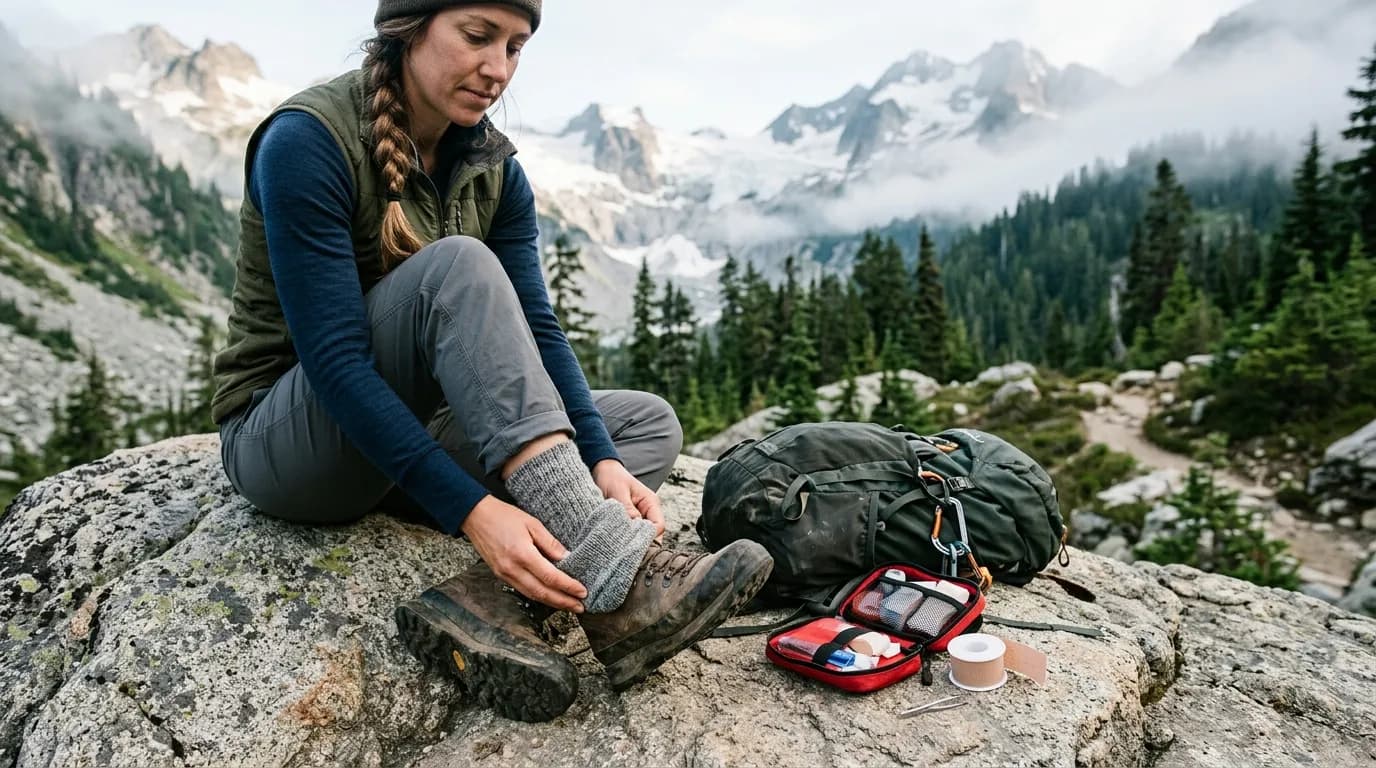
Blisters are often a fit and friction problem before they are a shoes-versus-boots problem. Read blister prevention for day hikes alongside footwear choice—tape, lubricant, and early hot-spot care save more miles than any logo on a tongue.
Waterproof or Not?
Waterproof membranes (often labeled GTX or similar) block rain and shallow puddles but can feel clammy in heat. Non-waterproof shoes with good drainage suit dry regions and summer streams. A third path: non-waterproof shoes plus lightweight rain pants and careful sock choice when wet grass is the main hazard—not submerged trails.
For day hikes, many experienced hikers in warm climates prefer non-waterproof shoes and accept wet feet briefly rather than marinating all day. In cold, wet mountains, waterproof boots or shoes plus spare socks in the pack balance comfort and safety.
Can You Switch Between Shoes and Boots?
Absolutely. Plenty of hikers own both and choose by trail. A flat lakeside loop might be trail runners; a rocky peak trail might be mid boots. Your feet adapt to different flex patterns over time. Rotating footwear also spreads wear and lets shoes dry completely between trips.
Starter Plan: Picking Footwear for Your Next Three Hikes
Hike 1 — Local short loop (3–4 miles, easy): Wear whatever you already own that has grip—old running shoes if tread remains. Notice hot spots, toe bang on downhills, and whether ankles feel stable. Do not buy new gear yet unless safety is clearly lacking.
Before Hike 2 — Shop or borrow: Based on Hike 1, try on one shoe-style option and one boot or stiff hiker. Walk at home and on pavement for three to five outings. Follow a break-in plan; no brand-new footwear on the longest day yet.
Hike 2 — Moderate trail (5–6 miles): Test your leading candidate with a light daypack. Re-lace at the trailhead after feet warm up. Note mud performance and toe protection.
Hike 3 — Target trail for the season: Commit to the pair that felt invisible—footwear should disappear when it works. Adjust lacing technique before blaming the model. Keep the other style on your list for different seasons.
Common Mistakes
- Buying boots because they look "serious" — Serious is what keeps you comfortable at mile seven, not what looks best in photos.
- Choosing solely by waterproof label — Dry feet in hot weather can still blister from heat and friction.
- Ignoring sock system — Cotton athletic socks in stiff boots is a classic pain recipe.
- Skipping break-in — New footwear on a ten-mile first hike teaches harsh lessons.
- Wearing worn-out tread — Smooth soles slip on wet rock regardless of boot height.
- Assuming ankle support replaces conditioning — Hiking-specific strength and balance still help.
FAQ
Are hiking boots better for beginners?
Not automatically. Beginners benefit from footwear that fits well, breaks in quickly, and matches easy trails—often a light hiker or trail shoe. Boots make sense if trails are rough, packs are heavy, or ankles need confidence. Comfort and fit beat category for first hikes.
Can I use running shoes on day hikes?
On smooth, dry trails, yes for many people. Road running shoes lack grip and rock protection compared to trail-specific models. If you already own trail runners with decent tread, they are a reasonable starting point before you invest in dedicated hikers.
How long do hiking shoes last compared to boots?
Both wear out; softer shoe midsoles compress faster under heavy use. Rough mileage estimates vary by weight and terrain, but many day hikers replace trail shoes every three hundred to five hundred miles and boots somewhat longer if soles remain intact. Rotate pairs to extend life.
Do I need different footwear for winter day hikes?
Cold, snow, and ice often require insulated or stiff boots compatible with microspikes or traction devices. Summer shoes rarely suffice on icy ridges even for a "short" day hike. Match footwear to ground conditions, not just air temperature at the trailhead.
Should I size up for thick socks?
Size for the socks you actually wear hiking, not "just in case" mega-wool unless you always use them. Half sizes and width options beat buying long shoes that slip on climbs.
What about sandals or trail sandals?
Open footwear works on some dry, flat trails but sacrifices toe protection and foot coverage. For rocky, rooty day hikes where beginners learn footing, closed shoes or boots are the safer default.
Related Reading
- Blister Prevention for Day Hikes — friction care that pairs with any footwear
- How to Break In Hiking Footwear — a patient schedule before big miles
- Day Hike Packing List for Beginners — socks, spare layers, and foot care in context
- How Much Water to Carry on a Day Hike — hydration matters no matter what is on your feet
Footwear affects comfort and stability on trail, but it is not a substitute for personal judgment about terrain, weather, or physical limits. Try new shoes on shorter hikes first, and seek professional advice for persistent foot or ankle pain.
The right pair is the one you forget about until you take them off at the car—and realize your feet feel tired but not betrayed. Shoes and boots are both legitimate day-trail tools. Let your trails, pack, and feet vote; the wall of logos can wait.